Amid a Semiconductor Boom, Only Small-Business Districts Feel Like the IMF Crisis

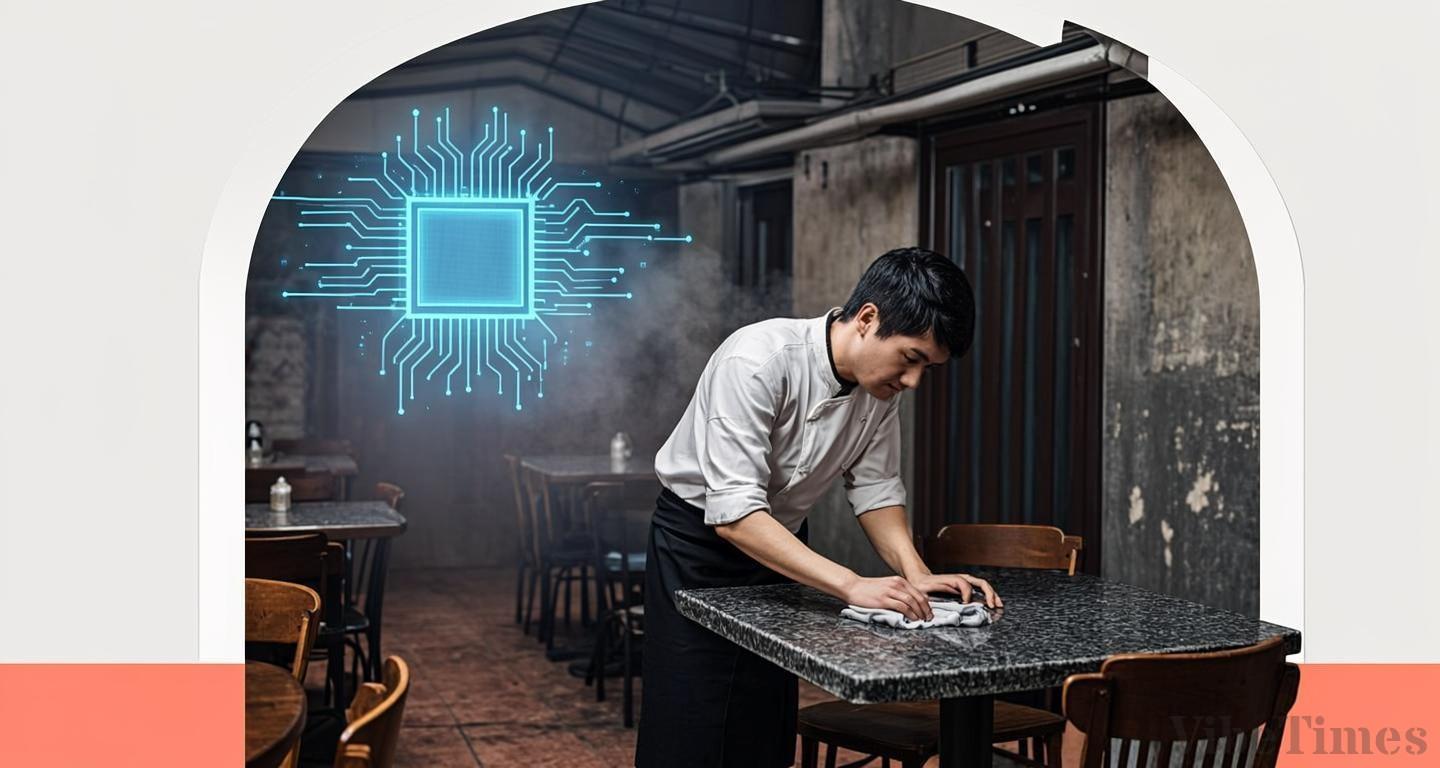
While the semiconductor boom has sharply boosted exports and corporate earnings, card transaction volume — the amounts paid by card — in lodging, restaurants, and leisure-related service industries fell by 338 billion won in the third quarter of this year. The statistics lay bare the temperature gap between big business and the everyday economy.
According to calculations based on the Credit Finance Association's "Q3 2026 Card Approval Results" released on the 2nd, total card transaction volume grew by 11.2 trillion won from a year earlier. Yet combined transaction volume for lodging and restaurants and for arts, sports, and leisure services fell by 338 billion won. Lodging and restaurants slipped 0.6 percent, or 235 billion won, to 40.38 trillion won, while leisure services — including performance venues, golf courses, and amusement parks — dropped 2.3 percent, or 103 billion won, to 4.29 trillion won.
Payments for travel and medical services rose, and this polarization in everyday consumer spending showed up across industries and distribution channels as well. Card volume in transportation grew 7.8 percent on the back of travel and mobility demand, and health and social welfare services rose 4.2 percent on increased clinic and hospital visits. By channel, department store sales and online shopping transactions grew 8.0 percent and 7.3 percent respectively in July–August, but sales at large supermarkets fell 4.4 percent.
Small business owners' sense of the economy has also deteriorated. According to the Small Business Market Promotion Agency, the small business sentiment index fell 3.3 points month-on-month to 73.2 in October, with retail dropping 9.2 points. Even shops with higher sales see no extra money left over. A Credit Information Korea survey of small businesses in the second quarter found that average revenue per business rose 2.04 million won from a year earlier, but spending also increased by 1.94 million won. Profit growth amounted to a mere 100,000 won — roughly 95 percent of the revenue increase was offset by added costs.
Business owner A, in his fourth year of operations, recently let go of one employee and two weekday part-timers. Daily orders have fallen short of ten, sales have dwindled that much.
The hardship is rippling into employment and debt repayment. In September, employment in lodging and restaurants fell by 97,000 from a year earlier — the steepest decline in five years and seven months since February 2021. Across all industries, self-employed workers with employees fell by 8,000, while sole proprietors without employees rose by 49,000. According to the Bank of Korea, the delinquency rate on self-employed loans stood at 1.99 percent at the end of the second quarter, up from 1.86 percent at the end of last year, and among multiple debtors, the delinquency rate for vulnerable low-income, low-credit small business owners reached 12.71 percent.
At a Cabinet meeting held at the presidential office on the 3rd, President Lee Jae-myung emphasized fairness and rationality in policies supporting the socially and economically vulnerable, and directed the government to review criteria for public service support and its implementation status.
