KOSPI Falls Despite Drop in Oil Prices and Interest Rates

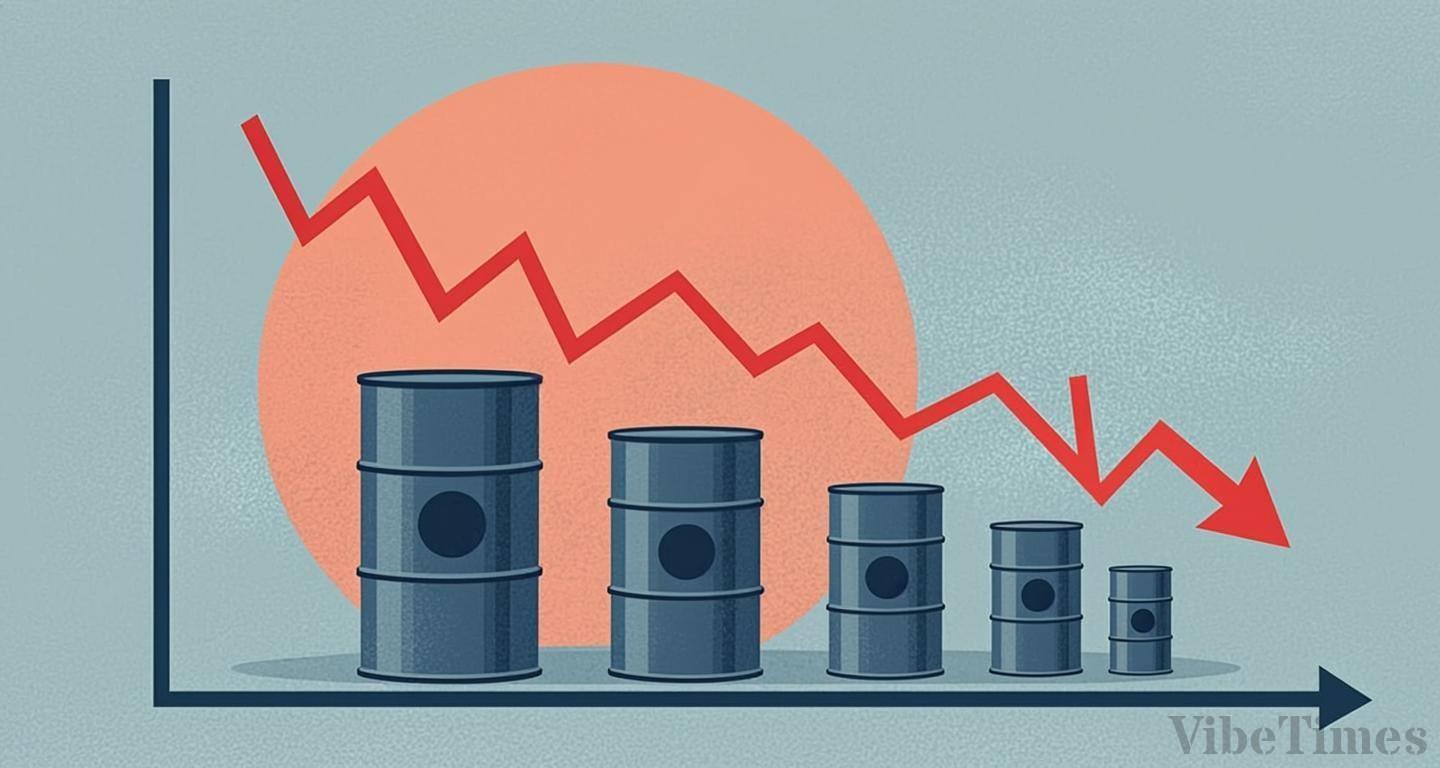
Despite declines in international oil prices and U.S. Treasury yields, the South Korean stock market plunged. The KOSPI closed at 5,648.79, down 3.59% from the previous trading session. Foreign investors sold a net of more than 1.5 trillion won ($1.1 billion) in shares, and institutions also turned to selling. Semiconductor bellwethers led the decline, with SK Hynix falling more than 5% and Samsung Electronics dropping more than 4%, giving back most of their gains from the previous day. The KOSDAQ also plunged 4.08% to close at 704.39. In the Seoul foreign exchange market, the won-dollar exchange rate stood at 1,341 won as of 3:30 p.m.
Behind the market slump are concerns over the massive costs of artificial intelligence (AI) investment. The financial burden on U.S. big tech companies pouring huge sums into AI has resurfaced as a negative factor. News that Meta and Oracle are moving ahead with large-scale fundraising one after another has reignited concerns over the profitability of AI investments.
International oil prices plummeted on progress in negotiations between the United States and Iran, and U.S. Treasury yields also fell, but this failed to lift investor sentiment. Adding to this, uncertainty ahead of the U.S. midterm elections heightened the market's wariness.
"It is virtually impossible for the midterm election results to change President Trump's policy direction," said Park Sang-hyun, a researcher at iM Securities. "If oil prices enter a downward trend, it will help restore investor sentiment and support a year-end rebound in both domestic and overseas stock markets." The analysis suggests that whether policy uncertainty subsides after the election and whether the decline in oil prices continues will matter more for a recovery in investor sentiment than which party wins.
