Legislative Report for Nov. 4: 11 Lawmakers Attend AI Expo

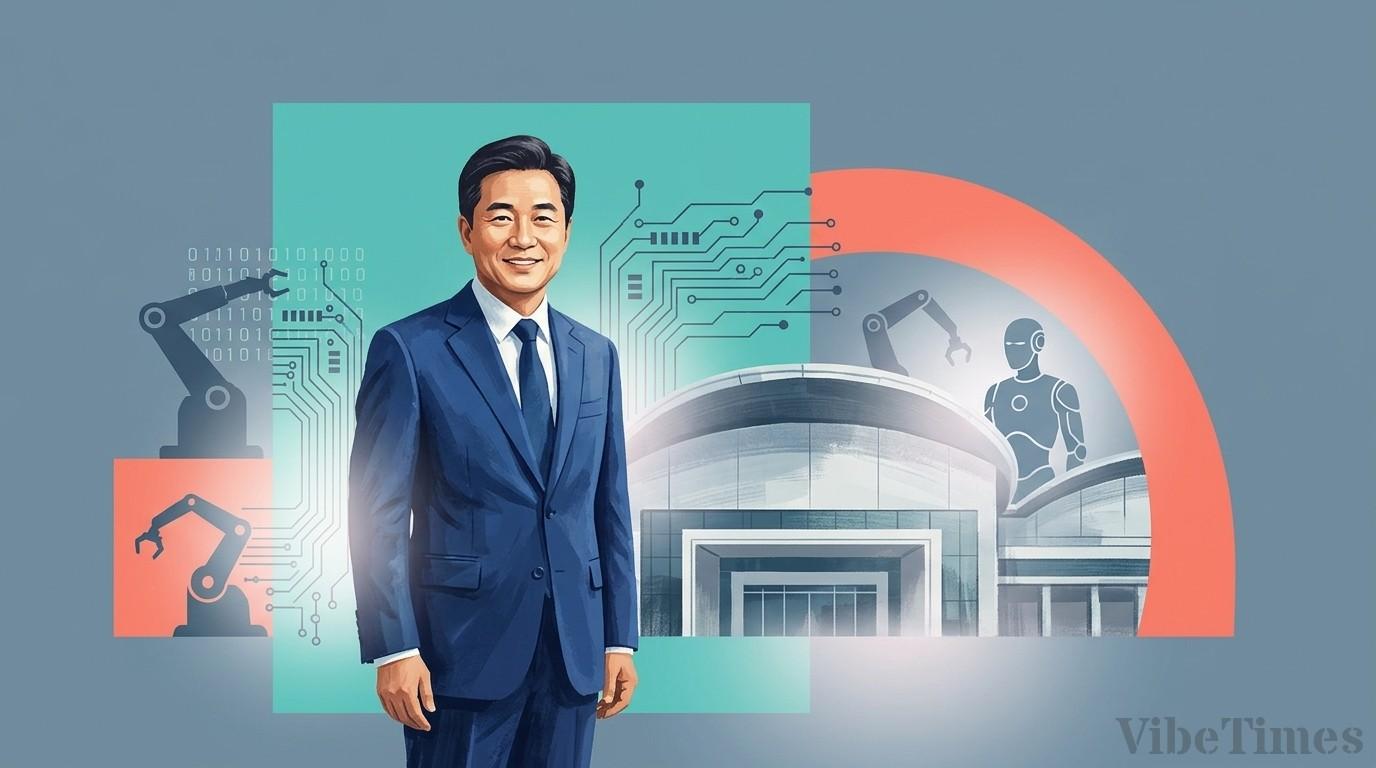
District Lawmakers Attend Expo Opening Ceremony
Lee Jun-seok of the Reform Party, whose district includes Hwaseong, attended the opening ceremony of the MARS 2026 AI Expo. A total of 11 National Assembly members took part in the ceremony. The direct attendance of district lawmakers at a large-scale event signals that the occasion carries political stakes beyond its own size, intertwining the local economy with efforts to foster new industries.
Hwaseong is an industrial hub in southern Gyeonggi Province, built on semiconductor and advanced manufacturing foundations. Hosting an AI-focused international event in such a region means it is more than a mere exhibition—it becomes a meeting point for industry, administration, and legislation. The gathering of 11 National Assembly members at the opening ceremony should be read in this context: their presence is a symbolic signal elevating the event to a stage for nationally strategic industries.
The Nexus Between the AI Industry and the National Assembly Widens
From the National Assembly's perspective, the AI Expo is directly tied to legislative priorities. As AI technology spreads across industries, legislative demands—covering data-use regulations, semiconductor supply chains, and talent development—are rapidly growing. Behind the gathering of 11 lawmakers at the opening ceremony lies this expanded legislative interest.
The role of district lawmakers is even more concrete here. District representatives serve as the conduit linking local industrial infrastructure to national strategy. Lee Jun-seok's attendance shows that, even for members of a minor party like the Reform Party, local industrial issues are a domain to be pursued regardless of negotiating-bloc status. Indeed, the National Assembly continues to discuss bills supporting advanced industries across party lines, and regionally based events provide on-the-ground grounding for such deliberations.
Beyond the Event: Ripple Effects on the Local Economy
The ripple effects of a large expo on a region do not end when the exhibition closes. It gives domestic and foreign companies and investors a chance to experience the region firsthand, which can lead to follow-up investment and R&D collaboration. The district lawmaker's presence at the opening ceremony can be read as a declaration of intent to carry these follow-up effects beyond the event itself.
The figure of 11 attending lawmakers is meaningful in itself. That a double-digit number of lawmakers gathered for a single regional event reflects its national standing. Whether the attendance translates into substantive outcomes, however, will depend on how concretely AI and advanced-industry discussions take shape in future legislation and budgeting.
Next Focus: Legislative Follow-Through
Going forward, the key will be turning the attention generated at the expo into institutional outcomes. Only when issues such as AI industry support, infrastructure expansion, and regional advanced-cluster development are addressed through actual bills and budgets in the Assembly will the event's meaning be complete. The legislative activities of the attending lawmakers—including Lee Jun-seok—are set to become the litmus test.
This expo, where Hwaseong's industrial base met AI as a national strategy, may well be remembered as a case connecting the region and the National Assembly. Beyond the simple fact of a district lawmaker's attendance, it is worth watching the flow by which industrial events translate into legislative agendas.
