Delivery Riders Rally Against Cap on Delivery App Fees

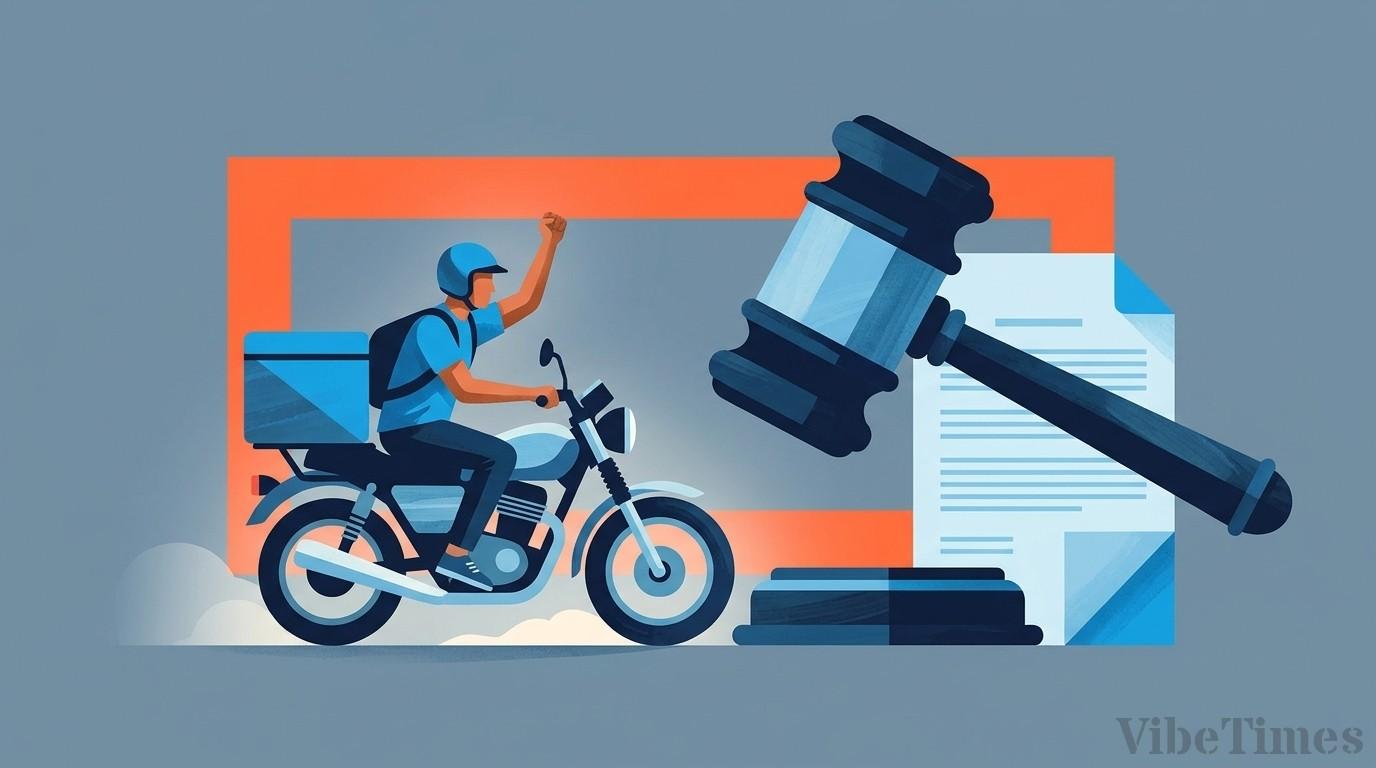
The argument that a law lowering fees could reduce jobs for delivery workers has brought protesters to the National Assembly.
Delivery workers in the Seoul metropolitan area have announced they will hold a rally in opposition to a bill capping the fees charged by delivery apps, currently under discussion in the National Assembly. According to Yonhap News Agency, the riders point out that the bill threatens their right to make a living. Fee regulation is typically debated as a means of protecting small business owners, but this time it is unusual that workers — not the intended beneficiaries of the regulation but those on the opposite side — are speaking out.
Why the Fee Cap Was Proposed
The delivery app fee cap has been one of the most actively proposed regulatory bills in the National Assembly, championed by small businesses in the delivery sector. Small business coalitions and local franchise associations have argued that delivery apps impose excessively high commissions and advertising fees, eroding the margins of small self-employed merchants. In response, some local governments have sought alternatives such as launching public delivery apps, while lawmakers have repeatedly introduced bills to cap the commission rates of dominant market players. The key sticking points are whether tiered caps should be applied based on revenue size, and whether payment and intermediary fees should both fall under regulation.
Why Riders Oppose It
However, delivery riders — the direct stakeholders in the bill — see things differently. Their concerns follow two paths. First, if app fees fall, platforms may reduce per-order delivery fees, cutting rider income. The delivery app industry argues it would likely absorb any fee reduction through cuts to delivery charges and adjustments to per-order rates, and riders have in fact experienced income declines during several past attempts to lower delivery fees. Second, there is concern that deteriorating platform profitability could lead to reductions in in-house delivery staff or restructuring of services in certain regions. The logic is that if per-order earnings drop in outlying areas outside densely populated zones, recruiting delivery partners will inevitably shrink.
Ultimately, this confrontation boils down to a structural question: who bears the cost of fee regulation? From the perspective of small business owners, the fee cap is a redistribution of platform profits; from the riders' perspective, it is a transfer taken out of their own income. Since reducing one side's share through regulation means the difference must move somewhere, both arguments have merit.
The Debate and Legislative Issues
Small business groups and the delivery industry are urging swift passage of the bill, arguing that every delay in introducing the fee cap means more self-employed owners going out of business. The platform industry, meanwhile, counters that commission rates are already being adjusted through competition and that regulation could dampen investment and degrade service quality. Rider groups are raising a third voice between the two positions: without setting a minimum standard for delivery fees alongside the cap, the benefits of regulation will not reach workers. Experts likewise point out that unless fee caps are packaged with delivery fee floors in a single legislative effort, adverse effects will be hard to prevent.
Legislative Outlook and Implications
In the current National Assembly, multiple lawmakers have introduced their own versions of the bill, and negotiations over the scope of regulated operators and the level of the cap are expected during committee review. With the riders' rally looming, the National Assembly now faces the challenge of designing legislation that accommodates the interests of both small business owners and workers. Options under discussion include adding a minimum delivery fee provision or adopting a phased rollout with effectiveness reviews after a pilot period. Given that the regulatory target could change the livelihoods of millions of small business owners and hundreds of thousands of delivery workers, this debate is set to go beyond a simple fee issue and become a first test of how profit-sharing rules in the platform economy should be defined.
