Insurrection Special Counsel Files Brief Arguing Trial Will Collapse if Han Duck-soo Is Released

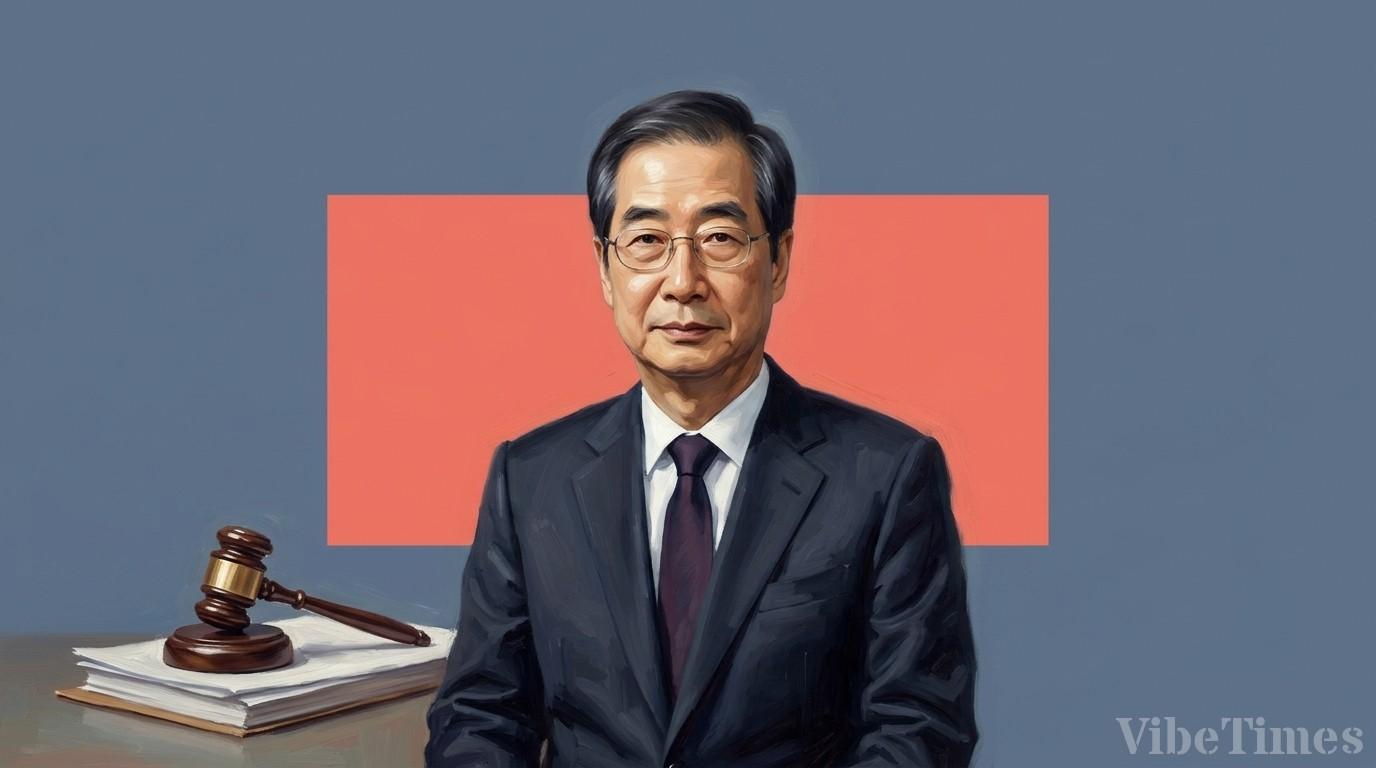
The insurrection special counsel has formally told the court that "if Han Duck-soo is released, the trial will collapse."
Special counsel Cho Eun-seok's team submitted a written opinion to Seoul Central District Court's Criminal Division 33 (Chief Judge Lee Jin-kwan), which is handling former Prime Minister Han Duck-soo's case over his failure to appoint Constitutional Court justices, on the 12th regarding the possibility of Han's release. It is an unusual step for a special counsel to convey its position to the court in writing, and it shows the prosecution believes that the procedural question of whether Han remains in detention — separate from the substantive issues of the case — could determine the trial's fate.
Tight Trial Schedule a Week Before Detention Expires
The key issue is time. Han's detention period expires on the 20th, and the court must decide before then whether to extend his detention or release him. The special counsel's opinion warned that release could jeopardize the trial — not primarily on grounds of evidence destruction or flight risk, but because the trial schedule could drag on and the hearing process could in effect become prolonged.
In criminal trials, whether to keep a defendant in custody is often contested as a matter of balancing the defendant's right to a defense against a fair and efficient trial. Detention both ensures the effectiveness of investigation and prosecution and imposes the burden of pretrial confinement. The special counsel's opinion is read as a request that the court weigh the trial's effectiveness heavily.
The Weight of the Unappointed Justices Case
Han's trial stems from allegations that by failing to exercise his authority to appoint Constitutional Court justices, he obstructed the normal composition of a constitutional institution. Critics argued the appointment delay was not mere administrative inaction but an assault on the constitutional order. Depending on the court's ruling, the case could set a judicial precedent defining the scope of a prime minister's appointment responsibilities in similar constitutional situations.
Notably, the case is part of the broader insurrection-related investigations that followed the martial law episode in late 2024. The team led by Special Counsel Cho Eun-seok, operating under the structural constraints of the special counsel system — political neutrality and a time-limited mandate — bears the burden of carrying the case through to the trial stage after indictment. The trial schedule colliding with the detention deadline also lays bare the structural vulnerability of special counsel investigations.
The Court's Options and the Fallout
The court's options boil down to three: extend the detention within the statutory period, release Han while continuing the trial under bail or other alternative measures, or proceed with conditional release. The special counsel's opinion amounts to written confirmation of its support for the first option. The defense, meanwhile, is likely to demand release, citing the guarantee of defense rights and the prevention of unnecessary prolonged detention.
Under criminal procedure principles, release does not in itself say anything about the ultimate verdict. But from the special counsel's perspective, delays in witness examination and evidence review could push the verdict into territory where it collides with the special counsel's statutory deadline, raising potential legal disputes over whether trial oversight can continue after the counsel's mandate ends.
Outlook for the Schedule Ahead
With the court required to rule before detention expires on the 20th, this week will effectively be the watershed. If the court accepts the special counsel's opinion and extends detention, the trial will likely proceed on schedule. If Han is released, political sparring between the ruling and opposition parties over the pace of the trial is expected to intensify.
Legal observers point out that the life of a constitution ultimately lies in the normal operation of its procedures. The special counsel's core argument is that the procedural neglect of failing to appoint justices is not a side issue but a matter of the constitutional order itself — and the court's decision will be the first litmus test of how much judicial weight that argument carries.
