Special Mega-Zone Bill Opens Production and Sales Channels for Physical AI

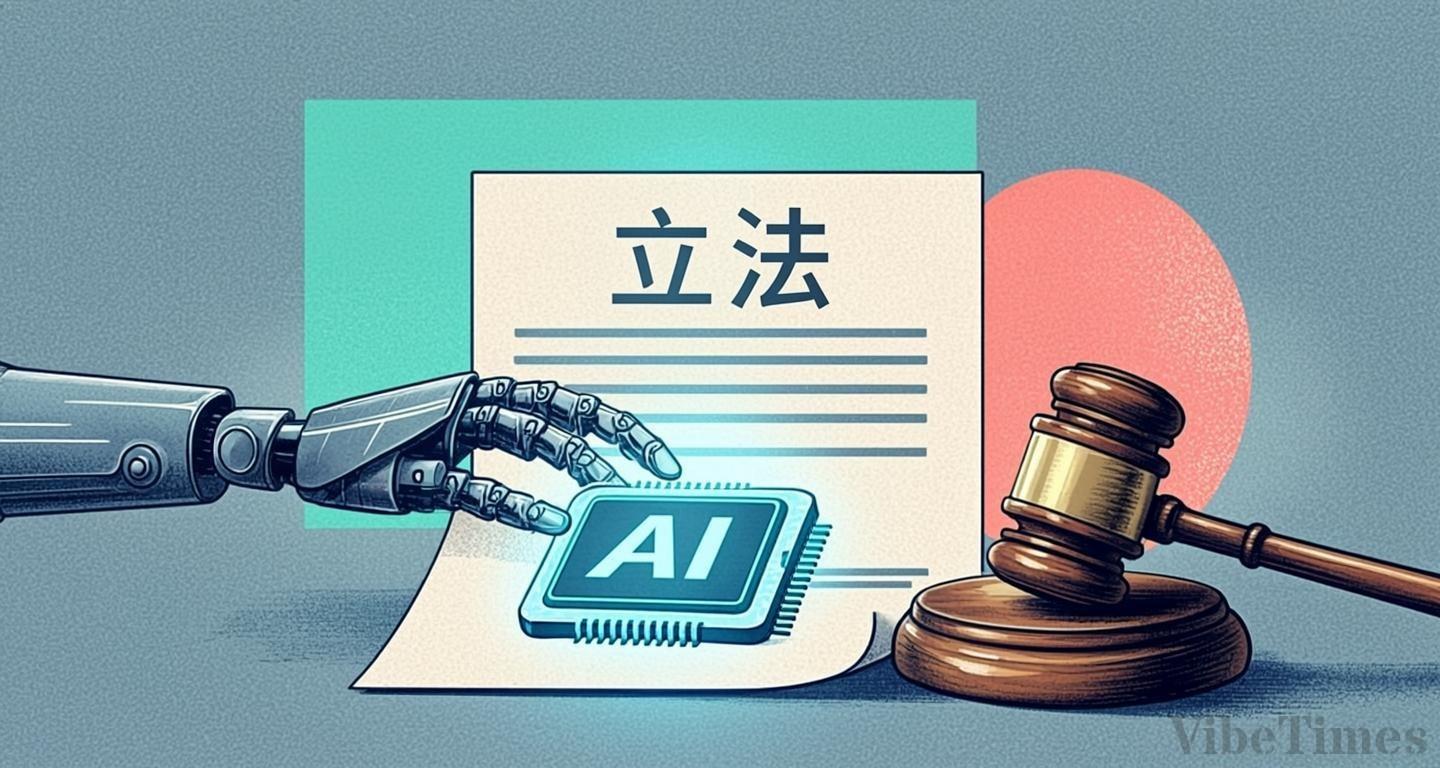
A bill on special mega-zones that would have the government directly support the production and sales channels of physical artificial intelligence (AI) products has been submitted to the National Assembly.
Rep. Ahn Ho-young of the Democratic Party of Korea (Wanju, Jinan and Muju, North Jeolla Province) on the 12th led the introduction of the Special Mega-Zone Act, whose key provisions support the production base and market entry of physical AI products. According to Yonhap News Agency, the bill would foster product categories embedding AI into physical hardware, such as robots and autonomous vehicles, as national strategic industries, and designate special zones on a mega-regional scale that crosses the boundaries of local governments, bundling regulatory relief with fiscal support.
Why Physical AI, and Why Now
Unlike generative AI in software form, physical AI refers to technology that embeds intelligence into actual devices such as robots, drones and self-driving cars. Simply put, it is AI that moves not only inside data centers but also on factory floors, roads and logistics sites. As the combination of manufacturing and AI emerges as a new growth axis in the global market, countries are already competing to seize control of the ecosystem.
The problem is that technology development alone does not create a market. Early physical AI products are expensive and lack adoption cases, making it difficult for companies to readily commit to mass production and purchasing decisions. This is the backdrop to Rep. Ahn's bill. The reasoning is that without opening up both the production base and sales channels, R&D investment will not translate into commercialization. In particular, local governments have long been criticized for lacking the scale, within a single metropolitan province, to build supply chains spanning components, materials, assembly and certification.
Key Provisions of the Bill
The proposed Special Mega-Zone Act rests on two pillars. The first is designating multiple provincial governments together as a single special zone. The intent is to apply a unified regulatory and support system within the zone, even where component suppliers, assembly lines and testing and certification bodies are located in different regions. The other pillar is sales channel support. The bill includes measures to promote the adoption of physical AI products by public institutions and companies within the zone, and to legally back up field validation (real-world pilot operation) opportunities.
The bill would apply to physical AI manufacturers and research institutions located in designated zones. From a company's perspective, it could refine products through field validation, and linking to public demand would help secure an initial market — the effect the bill aims for. Ultimately, the design seeks to broaden the domestic AI industry's base, which has centered on software, into manufacturing.
Impact on Industry and Regions
If the bill passes, the benefits are expected to come in two streams. First, physical AI startups and small and medium-sized manufacturers could reduce development cost burdens through special provisions for field validation and tax benefits. Second, with research facilities and component suppliers clustering in designated zones, high-value jobs could be created. In that it would provide a new industrial base for regional economies at risk of depopulation and decline, it also aligns with balanced regional development policy.
Concerns remain, however. If zone designations are concentrated in particular regions, the gap between regions could widen instead. It also remains to be seen how guidelines are designed, to ensure deregulation does not lead to a rollback of safety and certification standards.
Legislative Process and Outlook
The bill will next go through review by the relevant National Assembly standing committee, followed by the Legislation and Judiciary Committee and a floor vote. As a bill introduced by the ruling party, the schedule for its review is expected to hinge on the government's industrial and science ministries soliciting opinions and whether the opposition cooperates. The opposition may raise issues over the scale of fiscal spending and the transparency of criteria for designating special zones. Calls could also emerge for safeguards to prevent corporate subsidies from being concentrated on particular companies.
If the government's ongoing national AI strategy dovetails with the Special Mega-Zone Act, an institutional framework for fostering physical AI is expected to take shape. Observers say the speed of AI transformation in domestic manufacturing could depend on how quickly the legislation is completed. Attention is on whether the 22nd National Assembly will give the bill serious weight as an industrial competitiveness measure.
