North Korean Kimsuky Disperses Malware While Impersonating National Assembly Lawmakers' Offices

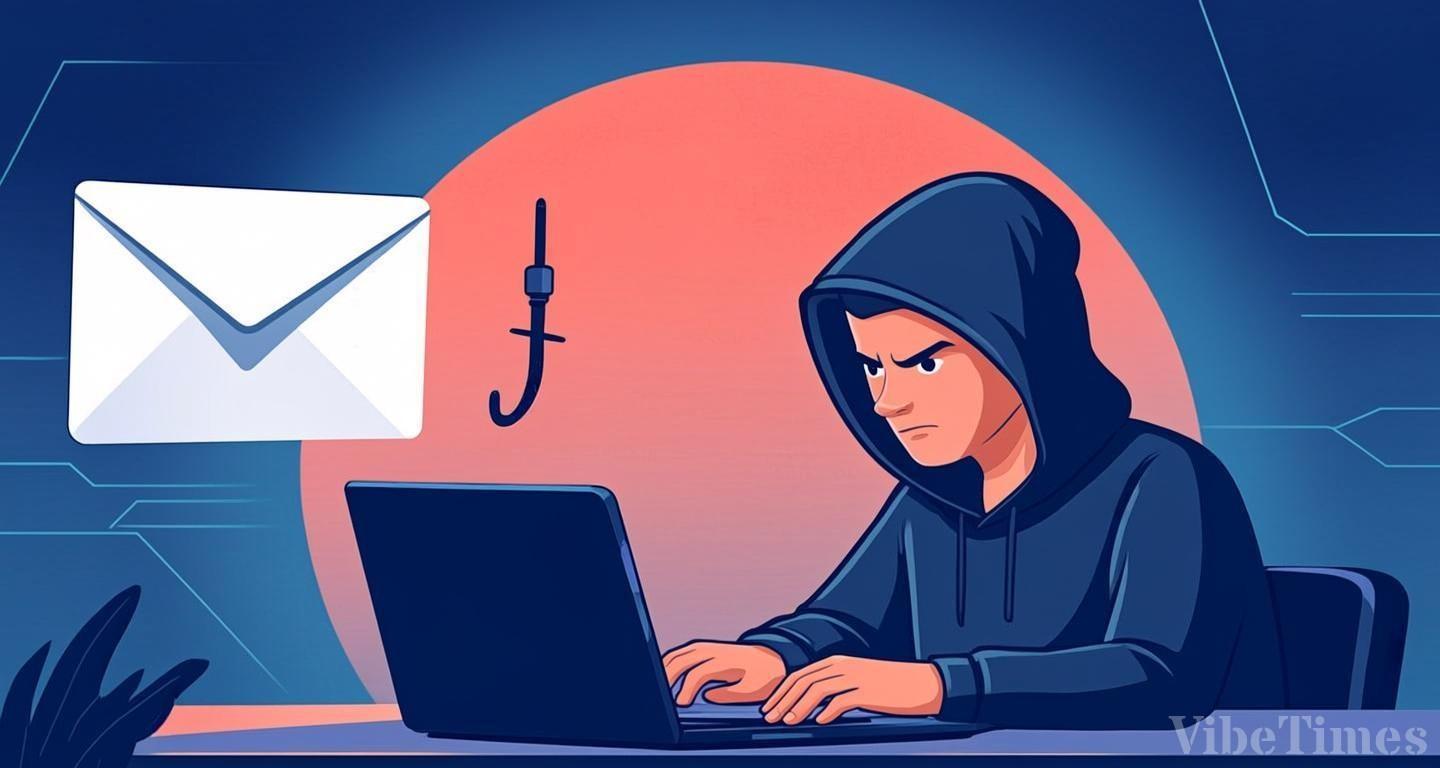
North Korean Kimsuky Plants Malware While Impersonating Lawmakers' Offices
Emails impersonating National Assembly lawmakers' offices were, in fact, weapons sent from Pyongyang. According to the security industry, Kimsuky, a hacking group affiliated with North Korea, distributed new malware by misappropriating the names of lawmakers' offices, and the attack is analyzed to be a targeted attack aimed at South Korea's political circles. Researchers explained that the email's subject and sender appeared to be an ordinary official document, but opening the attached file activated an information-stealing module.
How the Impersonation Attack Works
Kimsuky has long been known for its 'social engineering' techniques—a method that targets human psychology before hacking technology. In this case as well, the attackers are believed to have borrowed the name of an actual lawmaker's office to send emails disguised as legitimate inquiries. The moment a recipient opens an attachment or clicks a link, malware is installed, after which documents, emails, and stored credentials can be exfiltrated.
What is notable is that this is a 'novel' variant. Unlike previously known malware, parts of the code structure have been altered to evade detection. This means antivirus programs have difficulty catching it based on past patterns alone. Ultimately, the last line of defense may be the judgment of the individual opening the file.
Why Target the National Assembly?
The National Assembly is where information on diplomacy, security, and unification is concentrated. Kimsuky has repeatedly attacked figures involved in North Korea policy or South Korea-U.S. cooperation, as well as journalists and university researchers. Compromising a lawmaker's office email account exposes all official correspondence, policy materials, and network information exchanged with that lawmaker all at once. A single account serves as a gateway to dozens of organizations.
The timing is also sensitive. During the National Assembly audit and regular session season, when next year's budget review and the handling of major bills pile up, document exchanges between lawmakers' offices and related agencies increase significantly compared to normal times. Analysts say this is the environment where disguised emails can most naturally blend in from the attackers' perspective.
Damage Spread and Response Challenges
The problem is that identifying the damage is not easy. Such attacks often quietly siphon information for months after infection, and there have been repeated cases where breaches are discovered late. Experts point out that any organization that has already opened the email needs a proactive check.
The countermeasures are technically simple: do not open attachments of uncertain origin, always verify sender addresses directly, and lawmakers' offices and public agencies should apply multi-factor authentication to all staff. However, the persistent problem has been low compliance rates. The old adage that the weakest link in security is not the firewall but the person is being confirmed once again.
The National Intelligence Service and other relevant agencies are expected to expand alerts and breach support for similar attempts. However, because the attacking group has repeatedly mutated whenever it was detected, blocking a specific case does not guarantee safety. The point that security awareness among public agencies and political circles is determined by the vigilance level of individuals handling a single email is likely to remain unchanged going forward.