Special Prosecutor Act on Fabricated Indictments to Be Promulgated on the 17th

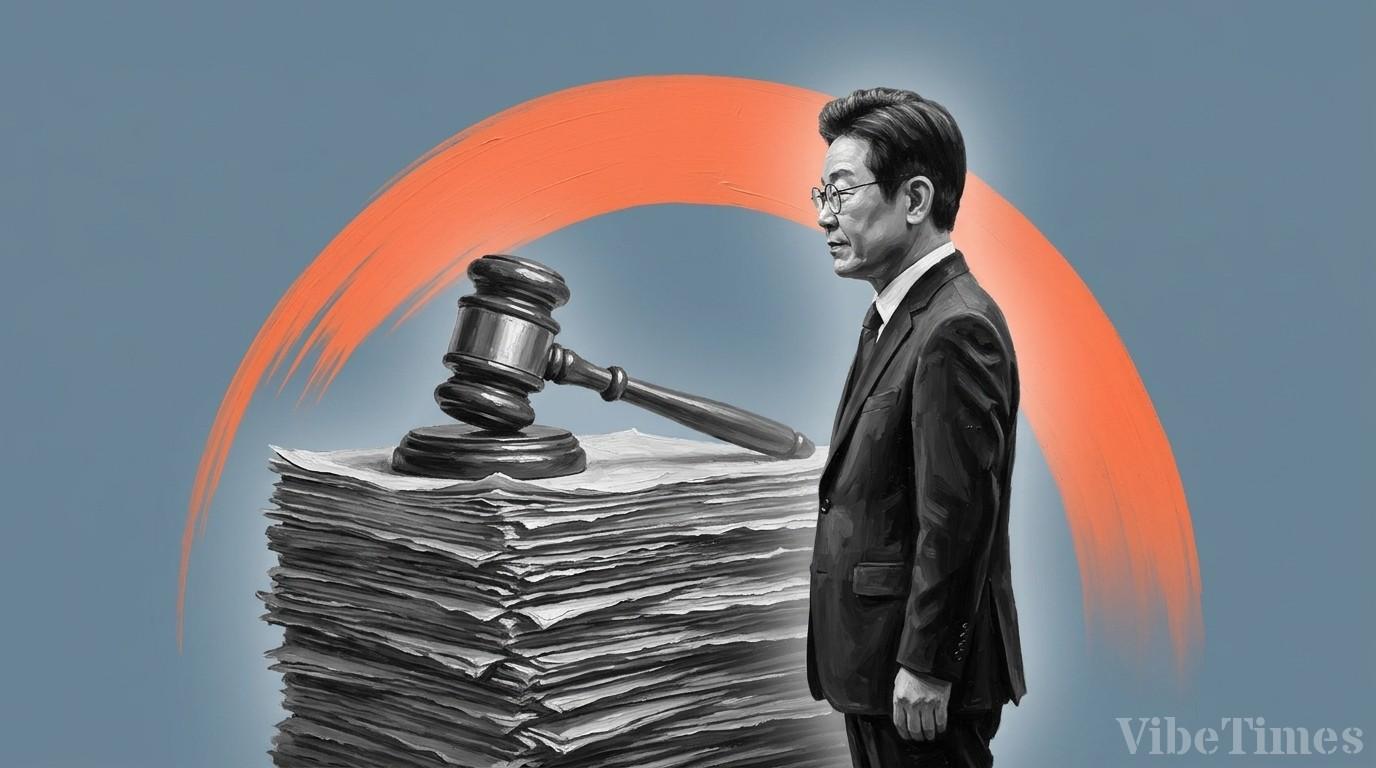
An unprecedented situation has unfolded in which the criminal trials of a president as a defendant are set to intersect with a special prosecutor's investigation.
As the promulgation plan for the so-called 'Special Prosecutor Act on Fabricated Indictments' is expected to be tabled at the Cabinet meeting on the 17th, where it will be approved and promulgated, legal and political circles are closely watching the fate of the five criminal trials involving President Lee Jae-myung. The bill, which passed the National Assembly led by the Democratic Party of Korea, centers on appointing a special prosecutor to investigate past allegations of politically motivated prosecutions by the prosecution service.
Background and Key Issues of the Bill
The bill became contentious due to allegations of 'fabricated indictments' raised from within the prosecution service itself. Through internal whistleblowing by prosecutors and recorded tapes, claims emerged that indictments in certain cases were driven by political intent, and the opposition pushed the legislation on the grounds that any distortion at the investigative stage must be corrected before the judiciary renders judgment. The bill's passage through the National Assembly's Legislation and Judiciary Committee and plenary session was marked by repeated partisan voting battles, and the promulgation plan has now reached the Cabinet meeting under Democratic Party leadership.
The People Power Party is pushing back, calling it a 'jailbreak law.' It argues that because the special prosecutor can reinvestigate even cases currently on trial or already finalized, the law effectively nullifies judicial rulings. The party held a large-scale protest rally in front of Busan Station, criticizing the law as a "special prosecution based on a dead law," and some issued warning remarks that Cabinet members would be held accountable by signing off on the bill.
Core Provisions and the Special Prosecutor's Investigative Scope
The heart of the bill is granting the special prosecutor the authority to reinvestigate cases in which fabrication allegations were raised during past prosecution investigations. According to Yonhap News, the scope of investigation is so broad that there is a possibility of the odd scenario in which the number of prosecutors under investigation exceeds the number of prosecutors to be seconded to the special prosecutor's team. This means that retaliatory personnel decisions within the prosecution organization and indictment practices across the board could fall under scrutiny.
One key point of contention is whether indictments can be withdrawn. The Democratic Party explains that the special prosecutor act contains no authority to withdraw indictments, but the People Power Party argues, "Do they take the public for fools?", claiming that the special prosecutor's findings could materially affect ongoing trials. Divergent interpretations between the law's textual provisions and actual investigative practice could escalate into a constitutional dispute.
Impact on the President's Five Criminal Trials
The biggest shockwaves are expected in President Lee Jae-myung's five criminal trials. Cases indicted by the prosecution remain pending or on appeal, including charges of suborning perjury related to the announcement of the Subrogation Defense Act, allegations of remittances to North Korea involving Ssangbangwool, and suspicions related to First Lady Kim Hye-kyung. If the special prosecutor were to rule that these indictments themselves were fabricated, the basis for maintaining the charges could be shaken. Conversely, if the special prosecutor finds no fabrication, it could inadvertently reinforce the legitimacy of the indictments.
The People Power Party has called for the resumption of the trials of the President and his wife once Cabinet approval is finalized the day after tomorrow. This is based on the judgment that the courts will have no choice but to proceed cautiously with the procedures ahead of the special prosecutor's investigation. Legal circles observe that trial delays or procedural conflicts will be inevitable during the period when the special investigation and trials proceed in parallel.
Upcoming Schedule and Outlook
Once approved and promulgated at the Cabinet meeting on the 17th, the process of recommending and appointing a special prosecutor will follow. Partisan conflict over the selection is anticipated, and the People Power Party is reportedly considering every available means, including Cabinet members refusing to sign and filing a constitutional petition. The special prosecutor's investigation is expected to begin by the end of this year at the earliest.
A trial is a legal process that cannot be reduced to a single case, and the same holds true for the special prosecutor's investigation. Rather than the findings collapsing into a single conclusion, they are likely to exert different effects on each of the five trials. The finalization of the special prosecutor's investigative scope and the timing of the first summons will serve as the first watershed shaping the political landscape ahead.
