How to Store Home Café Coffee Beans So They Don't Go Stale

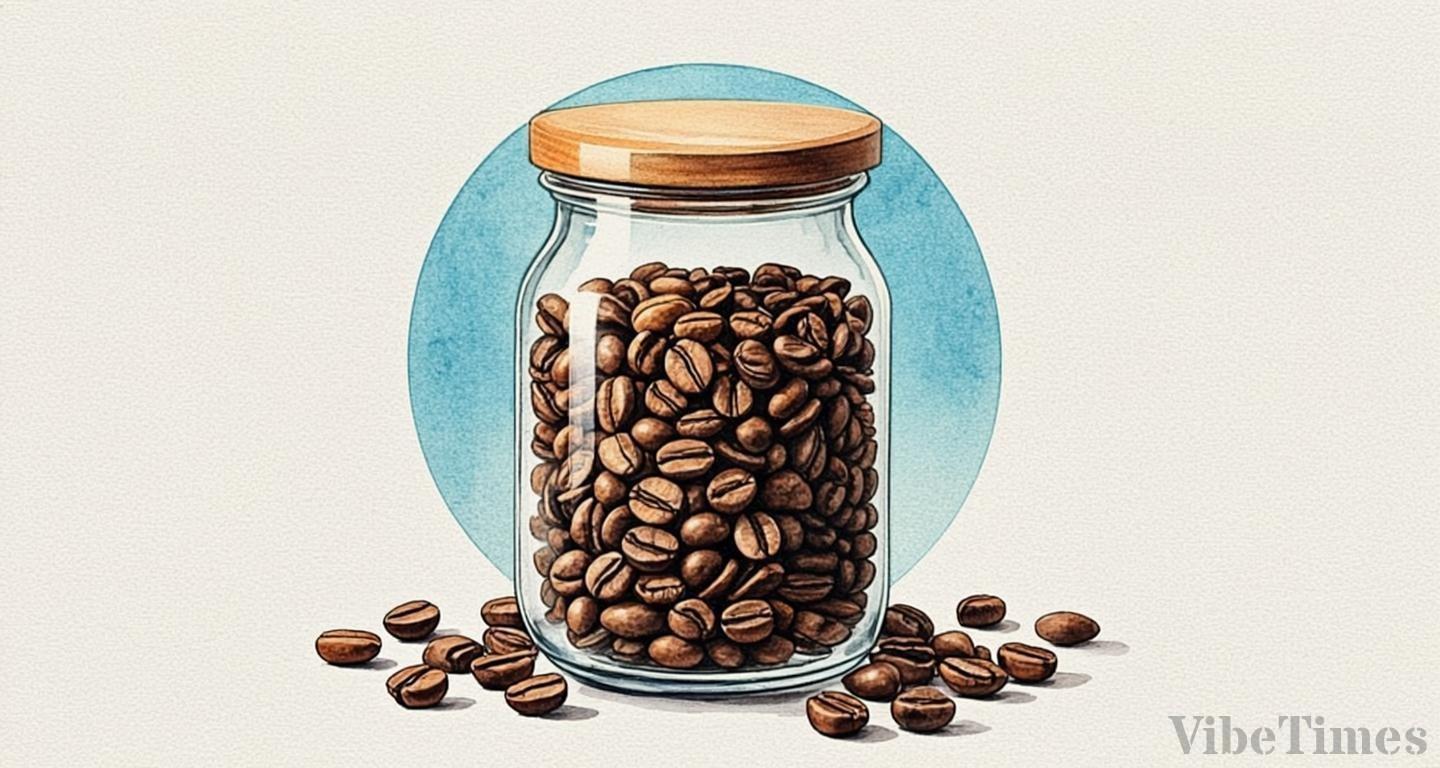
Only five factors spoil coffee beans — oxygen, moisture, light, heat, and foreign odors — and the refrigerator is not the answer. The gold standard for home café bean storage is to divide the beans into airtight containers, keep them in a dark place at room temperature, and finish them within two to three weeks of opening.
The most common mistake is refrigeration. A frequently opened refrigerator causes condensation from temperature fluctuations, and the beans absorb surrounding odors like kimchi, compounding the problem of off-flavors. Experts affiliated with the Specialty Coffee Association (SCA) rank buying in small amounts and storing at room temperature as the top priority, with freezing — on the condition of dividing into portions and sealing airtight — reserved only for long-term storage.
Why Do Beans Lose Their Flavor in Just 3 Weeks? — The 5 Causes of Degradation
Oxygen Is the Biggest Enemy
Contact with oxygen is the main culprit behind oxidation and diminished flavor. The other factors are no less significant. At humidity above 60%, the risk of mold grows, while ultraviolet light accelerates fat oxidation. Heat above 25℃ causes volatile aroma compounds to escape, and because beans naturally absorb surrounding odors, blocking off-flavors is also essential.
The Freshness Curve Over Time After Roasting
Beans released right after roasting follow a distinct flavor curve over time. Days 2 to 3 after roasting are the degassing period, when the taste settles cleanly, and the flavor peaks between day 5 and two weeks. From three to four weeks, the aroma drops off sharply, and after two months it is essentially gone. Remember that no storage method preserves freshness — it only delays deterioration.
The Refrigerator Is Not the Answer — Storage Methods Compared by Temperature
Why Refrigeration Fails: Condensation
In short, refrigeration is not recommended. Every time the fridge is opened, the temperature difference causes condensation, wetting the surface of the beans — and that moisture invites both oxidation and mold. Refrigeration's actual effect is limited to about one to two weeks, and its flavor preservation is considered unreliable.
Freezing Works, But Only With Airtight Portioning
Freezing can extend storage to one to three months, but with conditions. The rule is to seal beans in weekly consumption portions of around 200g and take out only what you will use. Do not thaw beans taken from the freezer — grind them right away to minimize condensation. Never return frozen beans to a container that is opened and closed daily.
Five Practical Storage Rules
To sum up, there are five: airtight sealing to reduce air exposure, maintaining a consistent room temperature, blocking direct sunlight, dividing into weekly portions, and consuming within two to three weeks of opening. Only when all these principles are followed can the rate of degradation be minimized.
Which Storage Container Should You Buy? — A Practical Guide to the Alternatives
Airtight Containers Are the Most Practical Option
A dedicated airtight container for beans is the basic solution for minimizing air exposure. One-touch canister types, priced in the 10,000–20,000 won range, offer strong sealing and good design, while airscape-style containers with double-layer construction that pushes air out create a near-vacuum state for 30,000–50,000 won. Vacuum containers with manual pumps run 20,000–40,000 won but require pump maintenance. Choose based on whether the lid seals tightly and whether the material retains odors after washing.
The Advantages and Conditions of Glass Containers
Glass airtight containers, at a low price of 5,000–10,000 won and free of off-odors, are a good starting choice. Borosilicate glass in particular withstands temperature changes well, making it suitable for kitchens with frequent temperature swings. However, since glass transmits light, it must be stored in a dark drawer or shelf. Also, if beans are placed in a vacuum container before degassing is complete, carbon dioxide pressure can pop the lid off, so it is safe to store them three days or more after roasting.
Portioning Strategies for Bulk Buyers
If you bought 1kg of beans in bulk, don't leave them in the original bag. Divide them into 200–250g portions in valve bags or vacuum bags, removing as much air as possible. An efficient two-tier strategy is to transfer only what you'll drink soon into a container kept in a dark place at room temperature, and freeze the rest with dates written on them. Valve bags are also the safest basic option thanks to their one-way valves that release carbon dioxide emitted by freshly roasted beans.
A Storage Checklist to Apply Starting Today
Two Weeks After Opening Is the Turning Point
When buying, the best approach is to choose beans labeled with a roasting date rather than just an expiration date, and to purchase small amounts of 250g or less. Note the opening date on the container and plan your consumption to drink the most during the flavor peak of day 5 to two weeks — even the same beans can deliver a maximized taste experience.
Three Habits to Fix Right Away
Keeping beans on the fridge-door shelf and taking them out every time you open it, placing transparent containers under lighting, and storing beans long-term in a coffee machine hopper all accelerate degradation. Storing them next to strongly scented spice jars also worsens odor absorption. Avoid touching the beans with a wet spoon, and if beans show any signs of mold or off-odors, discard them immediately — no matter how reluctant you may be.