Private Consumption Falls 0.2% in Q3 Amid K-Shaped Polarization

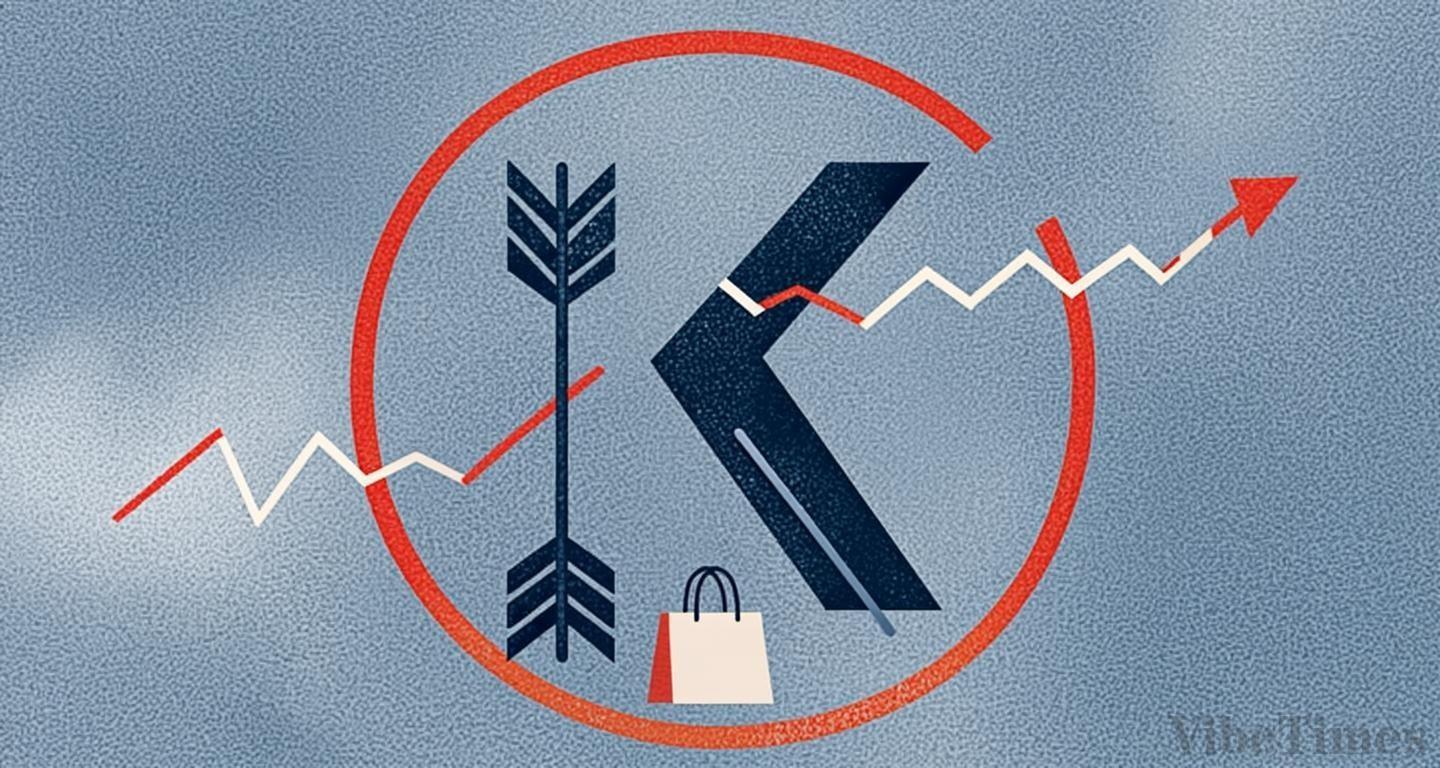
Amid a 'K-shaped polarization' in which exports are booming while domestic demand stagnates, third-quarter private consumption fell 0.2% from the previous quarter for the first time since the first quarter of 2022. According to Statistics Korea, the third-quarter retail sales index declined 0.5% year-on-year, turning negative for the first time in five quarters. Sales at department stores (4.3%) and duty-free shops (3.0%) rose, while large supermarkets fell 1.9%.
Third-quarter real gross domestic product (GDP, the total value of goods and services produced in the country) grew 3.4% year-on-year, while real gross domestic income (GDI, an income measure reflecting actual purchasing power) jumped 18.8%, according to the Bank of Korea (as of Oct. 22). The GDI growth rate was the highest in 48 years and 9 months since the fourth quarter of 1977, as improving terms of trade from rising semiconductor export prices boosted real purchasing power.
The polarization between the semiconductor boom and weak domestic demand is starkly evident in corporate results. According to Samsung Electronics' quarterly report filed with the Financial Supervisory Service's electronic disclosure system, the company posted revenue of 195 trillion won and operating profit of 107 trillion won in the third quarter. SK hynix also recorded an operating profit of 83.33 trillion won for the same quarter. In contrast, Lotte Hi-Mart's third-quarter operating profit fell 70.9% year-on-year to 5.5 billion won, prompting the company to accept applications for voluntary retirement. Weakness in the domestic market has spread into workforce restructuring.
In October, overall employment rose 139,000 from a year earlier, but employment in lodging and restaurants fell 137,000, marking the largest drop in 5 years and 8 months.
Behind the failure of the export boom to spill over into domestic demand lies pressure from oil prices and inflation. According to the Korea Development Institute (KDI), rising semiconductor prices lifted private consumption growth by only 0.003 percentage points this year, while rising oil prices dragged it down by 0.36 percentage points. This is because the consumption effects of higher semiconductor prices only appear after the fourth quarter, while higher oil prices immediately lead to reduced spending.
Jung Su-hwan, a research fellow at KDI's Economic Outlook Office, said, "Rising real fixed pay remains limited across most industries except electronics manufacturing," adding that "real wage stagnation has been an ongoing trend across many industries since 2021." The Bank of Korea also recently diagnosed in its report 'Reviewing Conditions for the Recovery of Private Consumption' that consumption recovery is concentrated in certain items and income groups. Essential spending on education and health remains robust, while discretionary spending on travel, dining out, and culture has recovered only in some categories. Wages in IT manufacturing rose sharply, but wage improvement in construction and many domestic service industries has been limited, according to the central bank's analysis.
The Bank of Korea analyzed that performance bonuses (0.1 to 0.15 percentage points), dividends (about 0.05 percentage points), and the government's expanded household transfer spending (0.2 to 0.25 percentage points) were factors lifting consumption. However, performance bonuses in the hundreds of millions of won are concentrated among employees at large semiconductor companies, while dividends go mainly to stock-owning households.
High household debt, interest rate burdens, a sluggish construction sector, and worsening youth employment also weigh on domestic demand. Song Ho-kyu, a research fellow at KDI, pointed out, "With weak domestic demand fundamentals, Korea is easily exposed to external shocks," adding, "There is a need to shift the growth paradigm away from large manufacturers and exports toward fostering small and mid-sized enterprises, cultural, tourism and service industries, and private consumption."