Is Lee Jae-myung's Early Push for Unity Appointments Shifting Course?

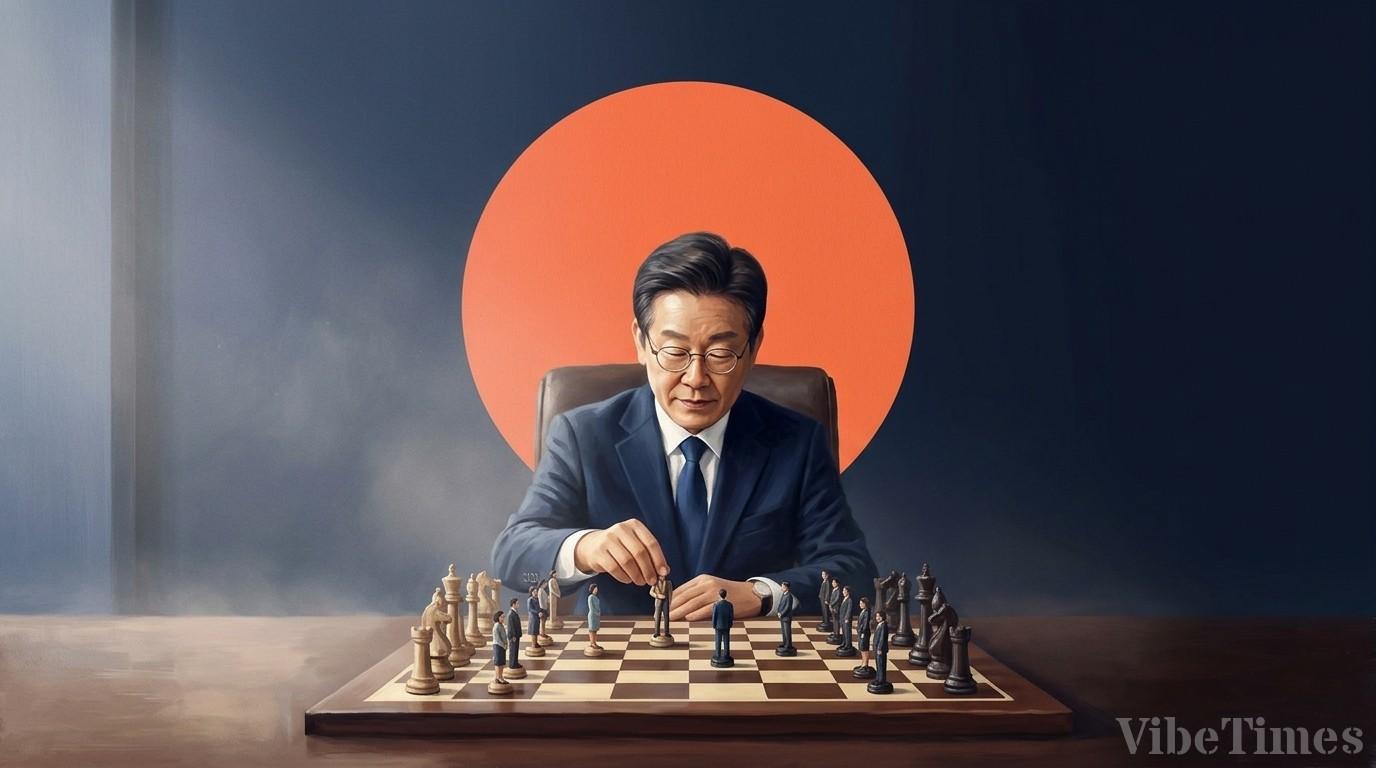
President Lee Jae-myung is being seen as shifting the center of gravity from the unity-centered personnel approach he emphasized early in his term toward a loyalist-focused one, after naming a large number of Cheong Wa Dae aides and close associates as ministerial nominees for five ministries on the 23rd. Among those named that day were Lim Woong-soon, second deputy chief of the National Security Office, as foreign minister nominee; Kang Yu-jung, the presidential office's chief spokesperson, as culture, sports and tourism minister nominee; and former senior presidential secretary for political affairs Hong Ik-pyo as unification minister nominee. Lawmaker Han Jun-ho of the Democratic Party, who served as the President's aide-de-camp chief during the last presidential election, was named as interior and safety minister nominee. Figures close to the presidential office have been placed front and center at the helm of ministries.
This is not the first such move. President Lee named Lee Yong-chul as justice minister nominee on the 6th, and Kim Seung-won, the former justice minister nominee who fell by the wayside earlier, was also a co-head of a supporters' group that led efforts to suspend the President's criminal trials. Lee So-young, appointed as minister of SMEs and startups in September, served as campaign spokesperson in the 2022 presidential election and head of the TV debate team in the primary campaign during the most recent election.
Some interpret the appointments as speed-driven. The move is seen as aiming to boost execution in the second year of his presidency by putting forward figures with a strong grasp of state affairs.
President Lee had attempted nonpartisan appointments, naming former lawmaker Lee Hye-hoon, from the conservative camp, as strategy and finance minister nominee last December. At the time, Cheong Wa Dae explained that the President had upheld the two pillars of his personnel principles: unity and pragmatism. However, the former lawmaker's nomination was withdrawn just 28 days later, and Basic Income Party lawmaker Yong Hye-in, named as gender equality and family minister nominee, also failed to make it through. Former National Unity Committee chief Seok Seok-yeon stepped down in September after just one year, saying he was leaving "in accordance with the President's wishes." Figures who symbolized unity were dropped one after another over vetting problems and other issues.
At a press conference on September 18, President Lee said he would carefully consider appointments and policies aimed at unity so that they do not become a source of conflict and division. Political commentator Park Sang-byung analyzed, "There was the dilemma that embracing conservatives risked alienating his core supporters," adding, "In the end, he chose trustworthy people to steer state affairs in a stable manner."