The officetel that seemed cheap turns out pricier than an apartment once 'empty jeonse' strikes

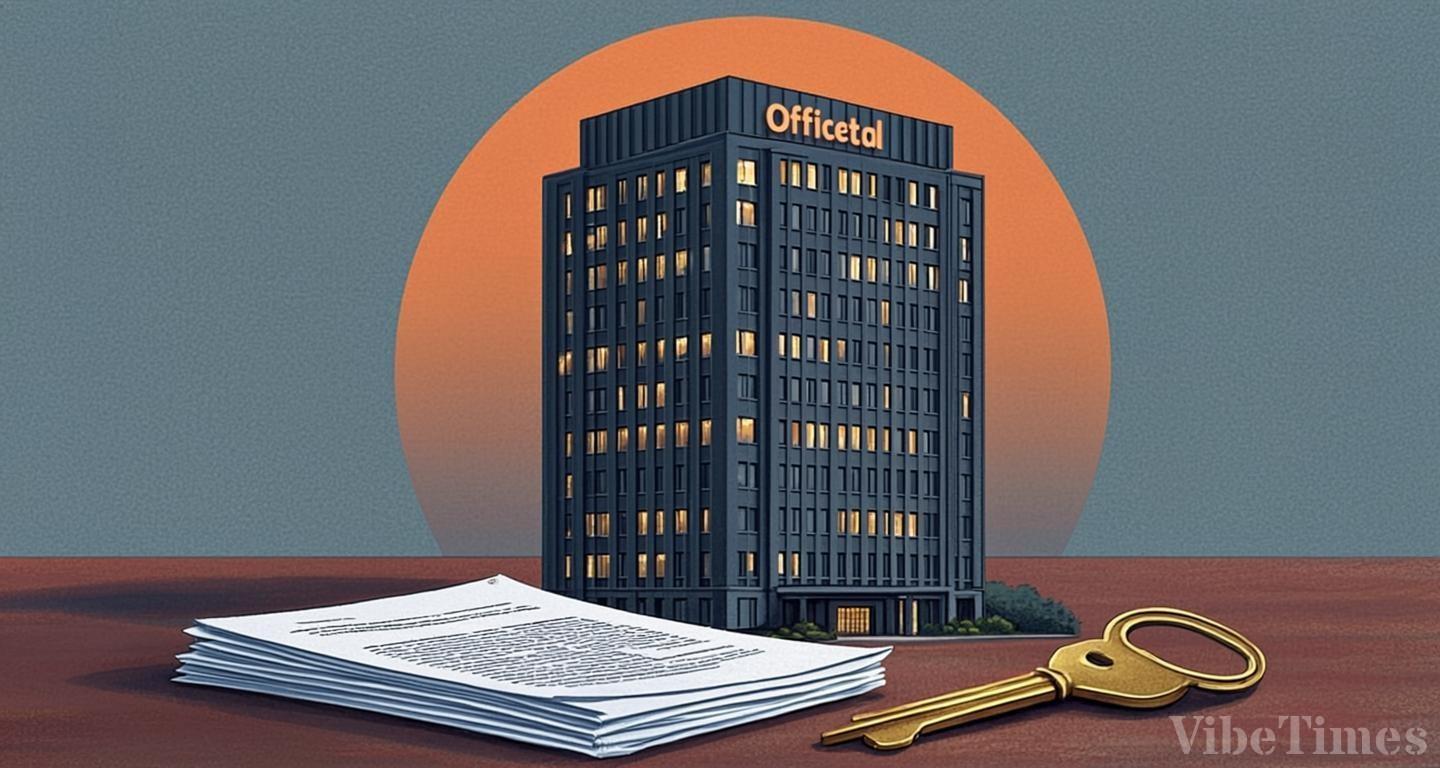
An officetel, which is legally not a home, may look cheaper than an apartment, but it ends up costing more across the entire cycle of buying, holding, and selling.
An officetel is a building with combined 'business + residential' use. Under the Building Act it is classified as an assembly facility rather than a dwelling, so it is excluded from the protections and benefits of both housing law and tax law. It resembles an apartment on the outside, but underneath, taxes, loans, and jeonse safeguards all work completely differently. Thanks to its low purchase price and seemingly high monthly rental yields, it has been popular as a small-scale investment vehicle, but during the interest rate hikes of 2022–2024, officetel prices in the Seoul metropolitan area broadly fell, with some new units losing 10–30% of their value relative to their original sale prices, laying bare their structural flaws.
It Looks Just Like an Apartment but Is Not Legally a Home
Why It Is Classified as a Business Facility — and the Consequences
Although the register of titles lists it as an officetel, the building register designates its use as a business facility. Because it is not a home, it does not qualify for housing subscription programs, nor can buyers use policy mortgages such as the Special Bogeumjari Loan. Conversely, it does not count toward the number of homes owned for regulatory purposes, putting it in an odd position on the blind side of both benefits and regulations. Any loan taken on it still counts toward the DSR (debt service ratio), so it erodes the borrowing limit when buying an actual home later.
Risk Spreading Through Jeonse Fraud and 'Empty Jeonse'
During the price downturn, officetels became an asset class prone to 'empty jeonse' — where the jeonse deposit exceeds the market value of the unit. The problem erupts in the sale and purchase process. Anyone who buys an officetel with a sitting jeonse tenant at an auction inherits the obligation to return the tenant's deposit. Pile the tenant's deposit on top of the seemingly cheap purchase price and the true burden far exceeds the headline price. A deposit equal to 80% or more of market value should be treated as an 'empty jeonse' red flag.
The Tax Hit at Sale Time — The Tax Gap With Apartments
No Tax Exemption, No Long-Term Holding Deduction
For apartments, a single-home household pays no capital gains tax on profits up to 1.2 billion won, and the long-term holding special deduction can shave up to 80% off the taxable gain. An officetel gets none of these benefits. A 35% capital gains tax applies even to gains within the first 900 million won, and amounts beyond 900 million won — the bracket exceeding 300 million won — face up to 45% plus local taxes, paid in full. Money left untouched from an apartment sale simply leaks away in taxes on an officetel.
A Flat 4.6% Acquisition Tax — You Lose From the Moment You Buy
The acquisition tax rate on a first apartment runs 1–3%. For an officetel, a flat 4.6% applies regardless of whether the buyer lives in it. Online advice forums such as Naver Knowledge iN point out that this is more than four times the roughly 1.1% acquisition and registration tax on an apartment. Because buyers start out 4.6% behind from the moment of purchase, the break-even point they must recover is that much higher even if prices rise.
Disadvantages That Keep Piling Up While You Hold
Officetels are taxed under a separate property tax regime rather than the comprehensive real estate tax system for homes, while high-value officetels do fall under the comprehensive real estate tax. Obligations such as the long-term repair reserve fund required under housing law do not apply, so building management tends to deteriorate as properties age. They run on electricity and LPG instead of city gas, so winter heating bills are steep, and maintenance fees are mostly higher than in apartments.
A Double Bind of Loan Regulation and Illiquidity
Low LTV, High Rates, and Falling Collateral Values
LTV limits on officetel mortgage loans vary by bank, region, and building, but generally run 50–70%, lower than for apartments. Interest rates are also typically 0.3–0.5 percentage points higher than on home mortgages. During the rate-hike cycle, falling collateral values led to a rise in reduced loan limits and demands for additional collateral. Plan your financing the way you would for an apartment, and the whole plan goes off track.
No Redevelopment, and a Narrow Buyer Pool
Because officetels are built by associations or developers on land designated for that purpose, they are effectively excluded from reconstruction and redevelopment projects. In other words, they carry none of the redevelopment upside that apartments enjoy. Their small floor areas limit the pool of potential buyers, and in oversupplied areas near new towns and tech valleys, listings pile up, time on market stretches out, and actual transaction prices fall well below asking prices. As noted in Knowledge iN answers, even structural features such as window orientation and frames are inferior to apartments, so owner-occupier demand was weak to begin with.
The Illusion of Attractive Yields and Practical Due Diligence
Behind the 5–7% Monthly Rental Yield
Rental yields on officetels near transit hubs run 5–7% a year, noticeably higher than the 2–3% typical of apartments. But real returns only emerge after factoring in vacancy risk, unpaid maintenance fees, and falling rents in a downturn. Assuming a 10–20% vacancy rate, multiplying monthly rent by 12, and dividing by the purchase price, acquisition tax, and brokerage fees will reveal the gap between headline and real yields. Tax deductions taken on acquisition tax through rental business registration — clawed back at disposal — must also be considered.
What to Check Before Buying
Cross-check the register of titles against the building register to confirm the unit is a bona fide business facility and carries no illegal-construction designation. Some officetels were built as unlicensed 'officetel-shaped houses,' seeding disputes over eviction and permits. Check the price trend of the past three years on the Ministry of Land's actual transaction price disclosure system, and always verify the sitting tenant's deposit size and lease term. If you plan to sell, simulate the 35–45% capital gains tax in advance based on your holding period and expected gain.
Real estate experts classify officetels as investment products, not appreciation assets, and warn against buying without calculating after-tax returns. With banks' unilateral LTV cuts compounding oversupply in the Seoul metropolitan area, many judge that a short-term rebound is unlikely. The appeal of low entry costs holds only when it outweighs a three-layered cost structure of taxes, loans, and illiquidity — so before buying, price the deal not by purchase price but by total cost.