Sleep Habits, Not Humidifiers, Determine How Deeply You Sleep

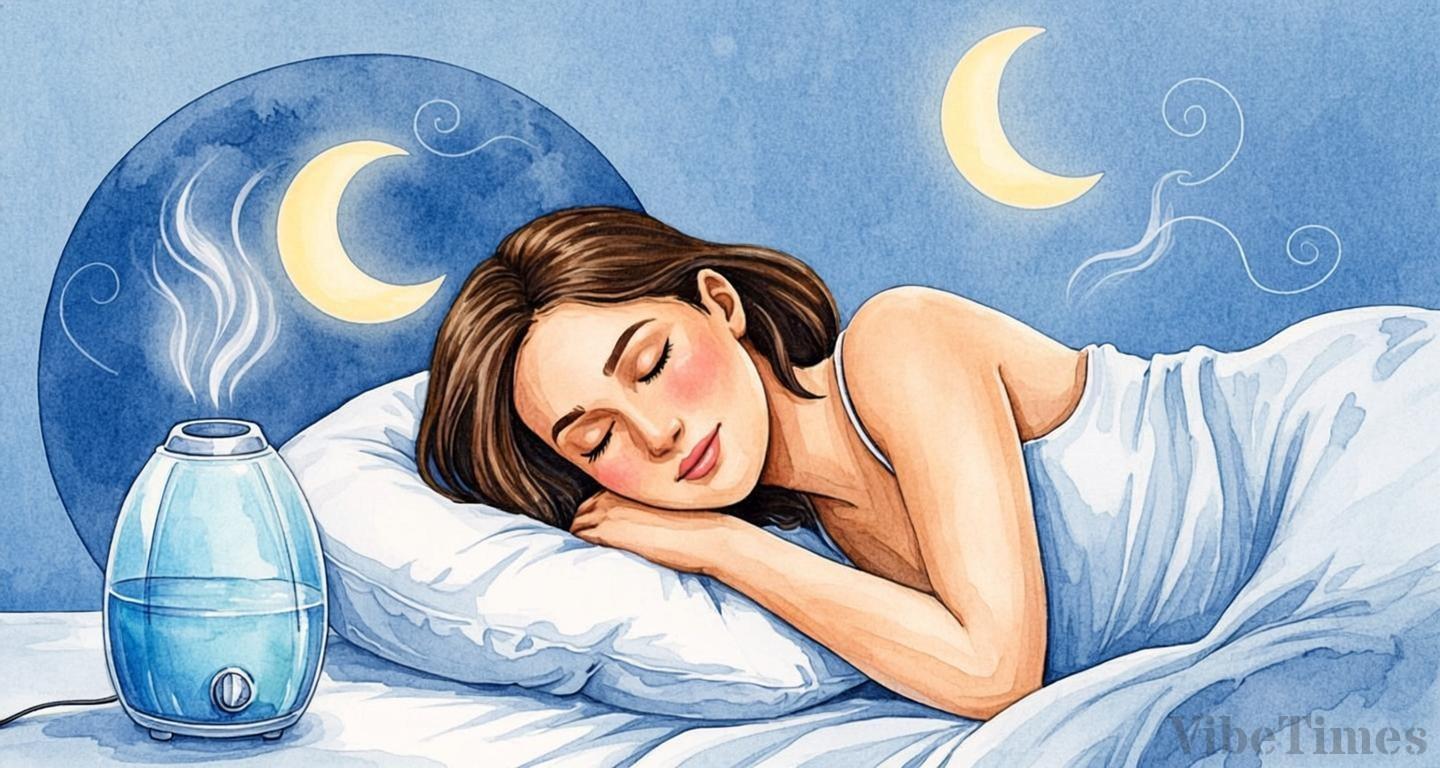
Sleep habits, more than a humidifier, are what first determine how deeply you sleep.
A humidifier's role of keeping bedroom humidity at 40–60% only shapes the environment during the first 1–3 hours after you fall asleep. By contrast, sleep habits such as caffeine timing, alcohol consumption, and irregular bedtimes change the very amount and quality of deep sleep. When the two factors are weighed against each other, habit correction comes first, and the humidifier is merely a supplementary device layered on top.
Deep Sleep Is Decided Within the First 3 Hours After Falling Asleep
When Slow-Wave Sleep Peaks and Why
Deep sleep in adults corresponds to stage 3 NREM sleep, commonly called slow-wave sleep. Physical recovery, immune strengthening, and growth hormone secretion are concentrated in this phase. The problem is that this deep sleep is clustered in the first half of the sleep cycle—that is, within the first 1–3 hours after falling asleep. That makes the 2–3 hours before bedtime and the early sleep period the decisive battleground for securing deep sleep.
How the Two Factors That Disrupt Deep Sleep Differ
Environmental factors such as temperature, humidity, noise, and light mainly affect sleep onset and the early stages of sleep. Behavioral factors, on the other hand—afternoon coffee, smartphone use before bed, erratic bedtimes—distort the entire sleep architecture and lower the proportion of deep sleep itself. The difference in when they intervene and how far their effects reach is the starting point for comparing the two.
A Humidifier Is a Conditional Auxiliary Tool
Indoor Environment Targets to Maintain
The recommended indoor humidity cited by authorities such as the Korea Disease Control and Prevention Agency is 40–60%, with bedroom humidity during sleep best kept at 40–50%. For indoor temperature, 18–22°C—especially around 19°C—favors the drop in core body temperature and helps usher in deep sleep. A humidifier is merely a tool for maintaining these figures; it is not, in itself, a sleep improvement solution.
How Dryness Disrupts Sleep—and How Excess Humidity Backfires
When humidity falls below 30%, the mucous membranes of the nose and throat dry out, causing snoring, coughing, throat irritation, and frequent nighttime awakenings. This is precisely where a humidifier proves useful. Research showing that respiratory mucosal defense functions are optimal at 40–60% humidity supports this. However, humidity above 60% promotes mold and dust mite growth, triggering allergic rhinitis and actually harming sleep. ENT and sleep medicine experts also note that evidence that humidity itself directly increases deep sleep is limited, and that humidifiers are effective only as an auxiliary means of eliminating dryness-related disruptions.
Behavioral factors change the structure of deep sleep
How Caffeine and Alcohol Undermine Sleep
Caffeine's stimulating effects last 8–14 hours after consumption. That means even a single afternoon cup of coffee raises alertness during the early night and hinders entry into deep sleep. Alcohol makes it easier to fall asleep, but alcohol-induced sleep is not deep sleep and does not aid recovery. Eating water-rich fruits like watermelon—natural diuretics—before bed can also cause nighttime awakenings. By contrast, regular aerobic exercise, as recommended by sleep society guidelines—30 minutes or more, 3–5 times a week, finishing at least 3 hours before bedtime—is a representative habit with strong evidence for increasing deep sleep.
The Compounding Effect of a Consistent Bedtime
Irregular bedtimes destabilize circadian rhythms and lower the proportion of slow-wave sleep. Habits such as going to bed and waking up at similar times every day, turning off smartphones an hour before bed, and taking a warm bath or foot soak at around 40°C 1–2 hours before sleep to lower core body temperature—unlike a humidifier—steadily increase total deep sleep at no extra cost. Like exercise, their effect comes from repetition rather than one-off effort. The fact that cognitive behavioral therapy, which outperforms medication in lasting effect, is recommended as the first-line treatment for chronic insomnia further shows that the fundamental solution lies in habits.
Practical Checklist: Habits First, Humidifier Later
Step 1: Review Your Behavior
Sleep improvement has an order. Stop caffeine after 2 p.m., avoid using alcohol to induce sleep, and fix your wake-up time first, then naturally adjust your bedtime over 1–2 weeks. These three checks alone can cover most deep sleep improvement.
Step 2: Reinforce Your Environment
If throat irritation, snoring, or dryness persist even after addressing behavioral factors, that is when to introduce a humidifier. Keep a hygrometer in the bedroom and maintain 40–50% based on measured figures, not feel, turning the device off once humidity exceeds 60%. Ultrasonic humidifiers should use purified or bottled water rather than tap water, due to the risk of inhaling fine mineral dust, and the water should be changed daily with cleaning 2–3 times a week. Place the unit 1–2 meters from the bed, not pointed directly at bedding. A contaminated humidifier becomes a dangerous device spraying bacteria and mold aerosols, so hygiene management is not optional.
A humidifier is closer to a necessary condition—optimizing the environment—while sleep habits are closer to a sufficient condition: improving sleep architecture itself. A humidifier offers substantial benefits to those with dry winter bedrooms or respiratory issues, but the remedy for chronically shallow sleep comes from habits. Following the right order and pursuing both in parallel appears to be the optimal strategy.