Legal professionals turn their backs on special counsel posts for rigged-prosecution probe

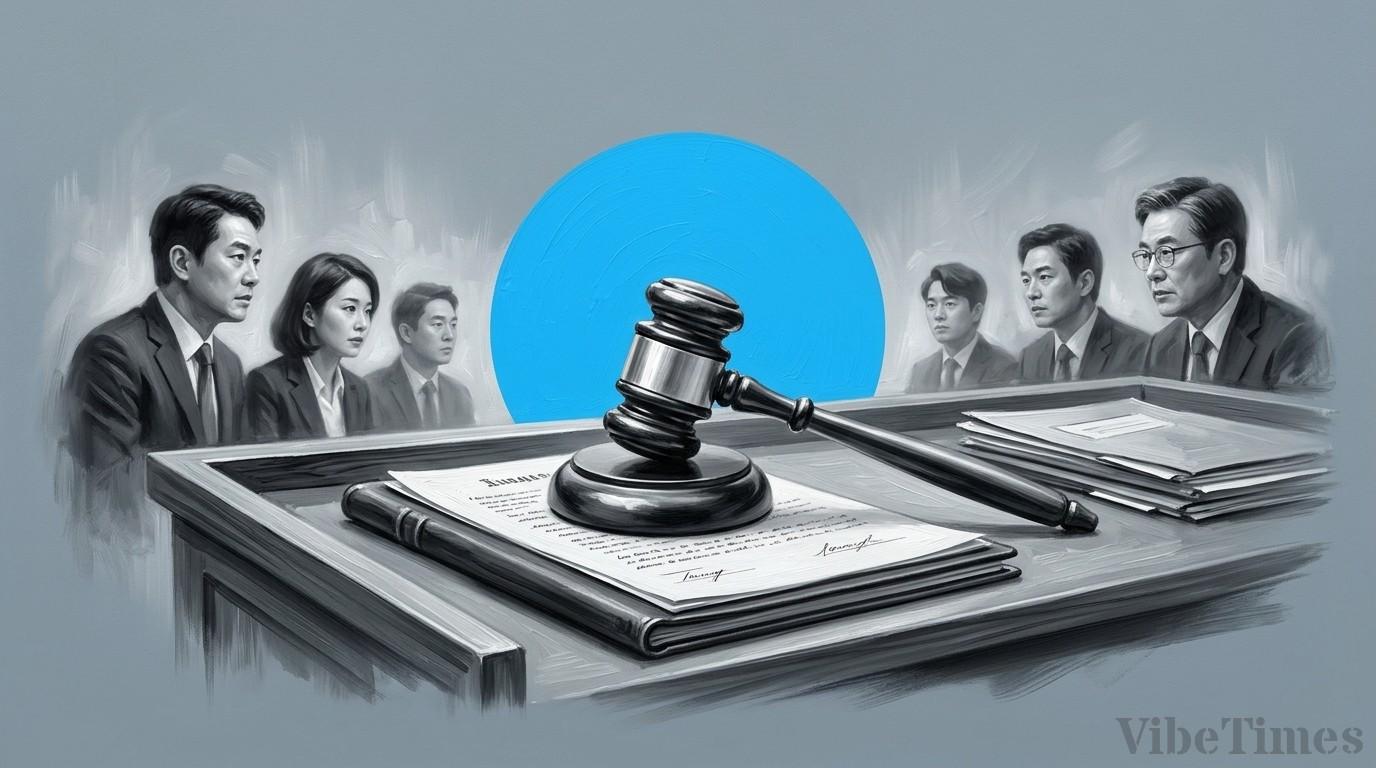
With the People Power Party refusing to put forward candidates, the race for special counsel posts in the rigged-prosecution investigation is being sidelined as legal professionals turn away from the roles.
The Democratic Party and the Rebuilding Korea Party on the 26th each recommended their candidates for the so-called 'Special Prosecutor to Uncover the Truth About the Yoon Suk-yeol Government's Rigged Prosecutions': former prosecutor-turned-lawyer Lee Im-sung and former judge-turned-lawyer Lee Jung-hoon, respectively. The People Power Party stayed out of the nomination process, arguing that the special counsel law itself is unconstitutional. As a result, the task of selecting who will lead the special prosecution has become a direct extension of the political standoff.
Why the special counsel nominations are deadlocked
The rigged-prosecution special counsel investigation aims to uncover the truth behind cases in which the prosecution's investigations and indictments under the Yoon Suk-yeol government are suspected of having been manipulated. The Democratic Party invoked the special counsel law, arguing that the prosecution's investigations under the previous government were aimed at specific politicians. The People Power Party has branded the law the 'Lee Jae-myung jailbreak act' and refused outright to recommend candidates.
A special counsel can only be properly launched if both the ruling and opposition parties take part in the nomination process, and the opposition's withdrawal has raised the likelihood that the panel's formation itself will stall. The bigger problem is finding people. According to media reports, the very process of recruiting legal professionals to fill the special counsel posts has proven difficult. With candidates repeatedly falling from contention or stepping aside on their own, some have begun speaking of a 'recruitment crisis among legal professionals.'
Who are the two recommended candidates?
Lee Im-sung, recommended by the Democratic Party, is a former prosecutor from the 21st class of the Judicial Research and Training Institute, and his recommendation is attributed to his insider knowledge of the prosecution's investigative practices. Lee Jung-hoon, recommended by the Rebuilding Korea Party, is a former judge who stands out for his courtroom experience in ruling on the legality of indictments. Democratic Party floor spokesperson Jeon Eun-su explained the rationale and procedure behind the recommendation at a briefing at the National Assembly communication center that afternoon.
The two share a common trait: both are practicing lawyers, not sitting judges or prosecutors. A judge or prosecutor who becomes a special counsel must accept the burden of resigning from their post, and the career uncertainty that follows the end of the special investigation is significant. Analysts say this acts as a structural reason why candidates in the legal community shy away from the posts.
Legal disputes and political backlash
The People Power Party has argued that the special counsel law is unconstitutional because it sets the scope of investigation and its duration too broadly, and lacks checks on the special counsel's powers. Going further, the party has alleged that the special counsel distorted the law's provisions — pushing even a complaint for 'law distortion' — and deliberately concealed key evidence. In other words, the special counsel's investigative methods themselves are generating legal controversy.
People Power Party leader Jang Dong-hyuk criticized the move to impeach Chief Justice Cho Hee-de on the 26th, saying it 'scrapes together things that do not constitute grounds for impeachment,' and characterized the sequence of the 'jailbreak special counsel' and the Chief Justice impeachment as a chain reaction of special counsel politics. Reform Party lawmaker Lee Jun-seok also said in a radio appearance that 'the biggest problem is that prosecutors cannot conduct supplementary investigations on their own,' urging an amendment to the Criminal Procedure Act. Calls to fix the structural limits of the special counsel system are thus coming from both inside and outside the opposition camp.
Next steps and outlook
Once the candidate lists are finalized, the Justice Minister or the President remains to designate the final candidate. However, with the People Power Party refusing to make recommendations, a forced designation of a special counsel candidate is likely to trigger a constitutional court challenge over the candidate's qualifications alongside political resistance at the same time. In fact, the People Power Party is reportedly considering taking its constitutional challenge to the rigged-prosecution special counsel law to the courts.
The special prosecution's investigation appears to have already partially proceeded, but unless the issue of re-designating candidates is resolved, the investigation's momentum could stall. As Sherlock Holmes might say, the truth should be what remains after eliminating the impossible — but what remains now, by the field's own admission, is only a candidate vacuum and political sparring. In the end, the special counsel's life can only be proven by the results of the investigation itself, not by institutional debate. Until those results emerge, considerable time, cost, and cooperation from the legal community are expected to be required.