People Power Party Takes to Daejeon Streets to Denounce 'Fabricated Indictment' Special Prosecutor Bill as Unconstitutional

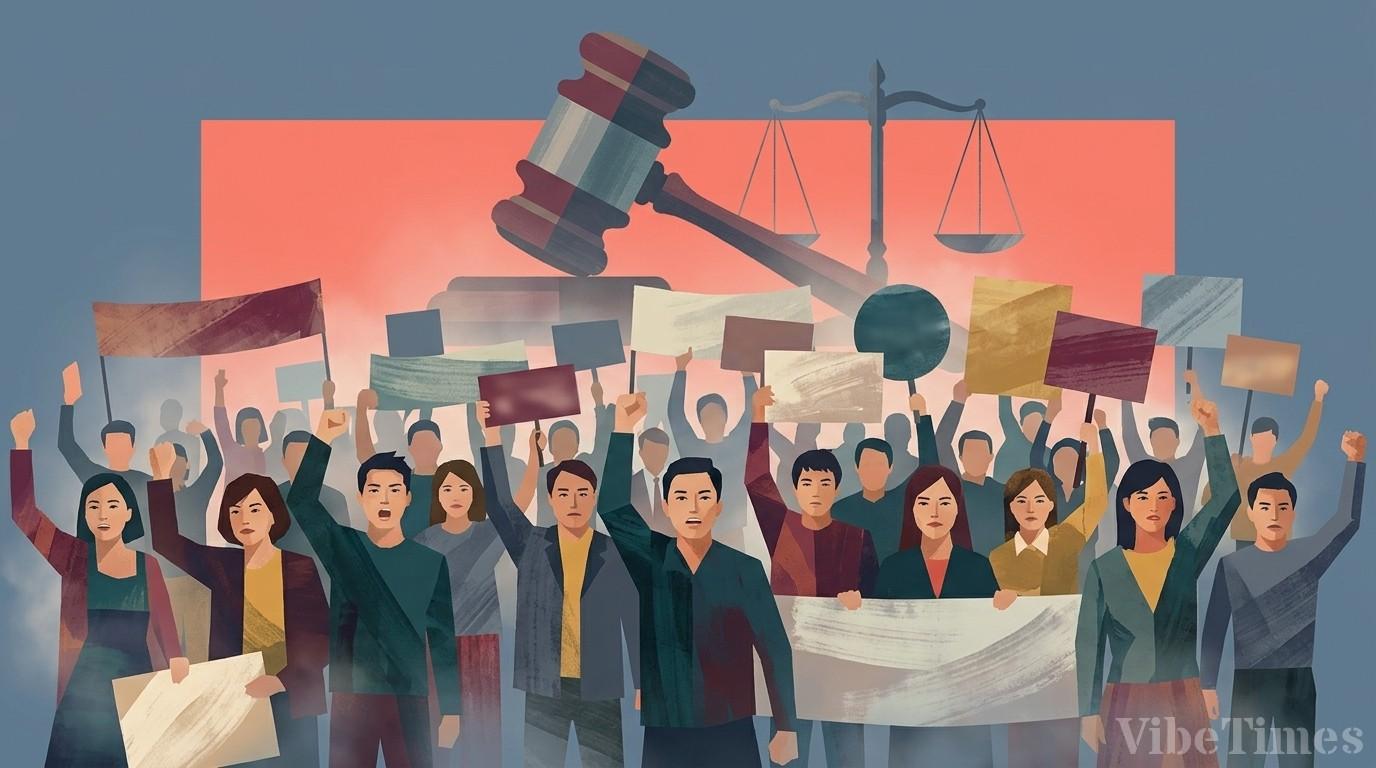
The People Power Party has branded the so-called 'fabricated indictment' special prosecutor bill as 'unconstitutional legislation' and taken its protest to the streets of Daejeon. On the 28th, a rally denouncing what it called the "100% Unconstitutional Lee Jae-myung Prison Break Act" was held on Eouneungjeong Cultural Street in Jung-gu, Daejeon. Party leader Jang Dong-hyuk and members attended, demanding the withdrawal of the special prosecutor bill.
Background of the Special Prosecutor Bill Controversy
The rally centered on the special prosecutor bill that the Democratic Party of Korea is pushing forward. The People Power Party views the legislation as a mechanism designed to use political power to neutralize the indictments—criminal cases the prosecution has filed with the courts—involving President Lee Jae-myung. In the opposition's words, it is a "prison break act." Tensions were further inflamed when the Democratic Party unilaterally passed the confirmation hearing report for the nominee for Minister of Justice over the People Power Party's objections. With legislative clashes between the ruling and opposition parties escalating one after another, the dispute has spilled over into confrontation outside the National Assembly.
The crux of the dispute lies in the selection process for the special prosecutor candidate. Lawyer Lee Im-sung, recommended by the Democratic Party, is a graduate of the 21st class of the Judicial Research and Training Institute, and has been confirmed to have served as counsel for the Gyeonggi provincial government during a period when President Lee Jae-myung was governor. The People Power Party argues that the candidate is disqualified because of the overlapping interests between the subject of the special investigation and the candidate. The ruling party, meanwhile, maintains that independent verification is needed on the premise that the cases involving the president stem from fabricated indictments. The same cases are thus framed in diametrically opposed terms—a "persecutory investigation" versus "prison-break legislation."
Inter-Party Sparring and Internal Divisions
Speaking at a morning briefing, Park Sung-hoon, the People Power Party's chief spokesperson, criticized the bill: "While those in power may be able to erase an indictment, they cannot erase their historical responsibility or the judgment of the people." He also claimed that Justice Minister nominee Lee Yong-chul would play a "bulletproof" role in shielding against the special prosecutor's probe—suggesting that the special prosecutor bill and the Justice Ministry appointment are part of a single scheme.
As the rally unfolded, divergent currents within and around the People Power Party also came to light. Leader Jang Dong-hyuk signaled his intention to skip the party's caucus meeting, and the possibility of further disciplinary action was raised over one lawmaker's reinstatement to the party. With the internal dispute over alleged "fabricated disciplinary measures" intensifying, analysts say the party's external struggle and internal cohesion are being tested simultaneously. The Daejeon rally differs in tone from the usual Seoul-centered press conferences, as it also serves as a regional expansion strategy targeting public sentiment in the Chungcheong region.
Implications and Outlook
What makes this standoff noteworthy is less the legislative procedure itself than its impact on the investigation and trial landscape. If the appointment routes for the special prosecutor candidate and the Justice Minister nominee fuel doubts about the independence of the special investigation, the very acceptance of the investigation's outcome could be compromised. The People Power Party's decision to spotlight the constitutional controversy, going so far as to call the bill "100% unconstitutional," is seen as a strategy anticipating a possible Constitutional Court review after the bill's passage. Concerns in the legal community about staffing shortages at investigative agencies and prolonged investigations add another variable. With two special prosecutors already in place and talk that the launch of a special investigation unit on the insurrection is imminent, the pace at which the fabricated indictment special prosecutor bill moves forward could reshape the overall investigative timetable.
In the near term, the ruling party is expected to push ahead rapidly with the appointment of the special prosecutor candidate. The People Power Party is likely to pursue a constitutional lawsuit while also blocking parliamentary procedures in parallel with its rallies. Given that the Daejeon gathering was billed as a Chungcheong-region rally, further regional events are anticipated. However, with the Democratic Party accelerating the passage of key budget bills and National Assembly Speaker Woo Won-shik having designated 49 supplementary budget-related bills, including the Future Response Fund Act, the special prosecutor bill is expected to intersect with the budget process as a political variable. Unless negotiations between the ruling and opposition parties succeed, the tug-of-war over the bill's passage looks set to continue through the year-end political season.