PPP Rallies in Daegu to Denounce 'Framed Indictment' Special Prosecutor Bill

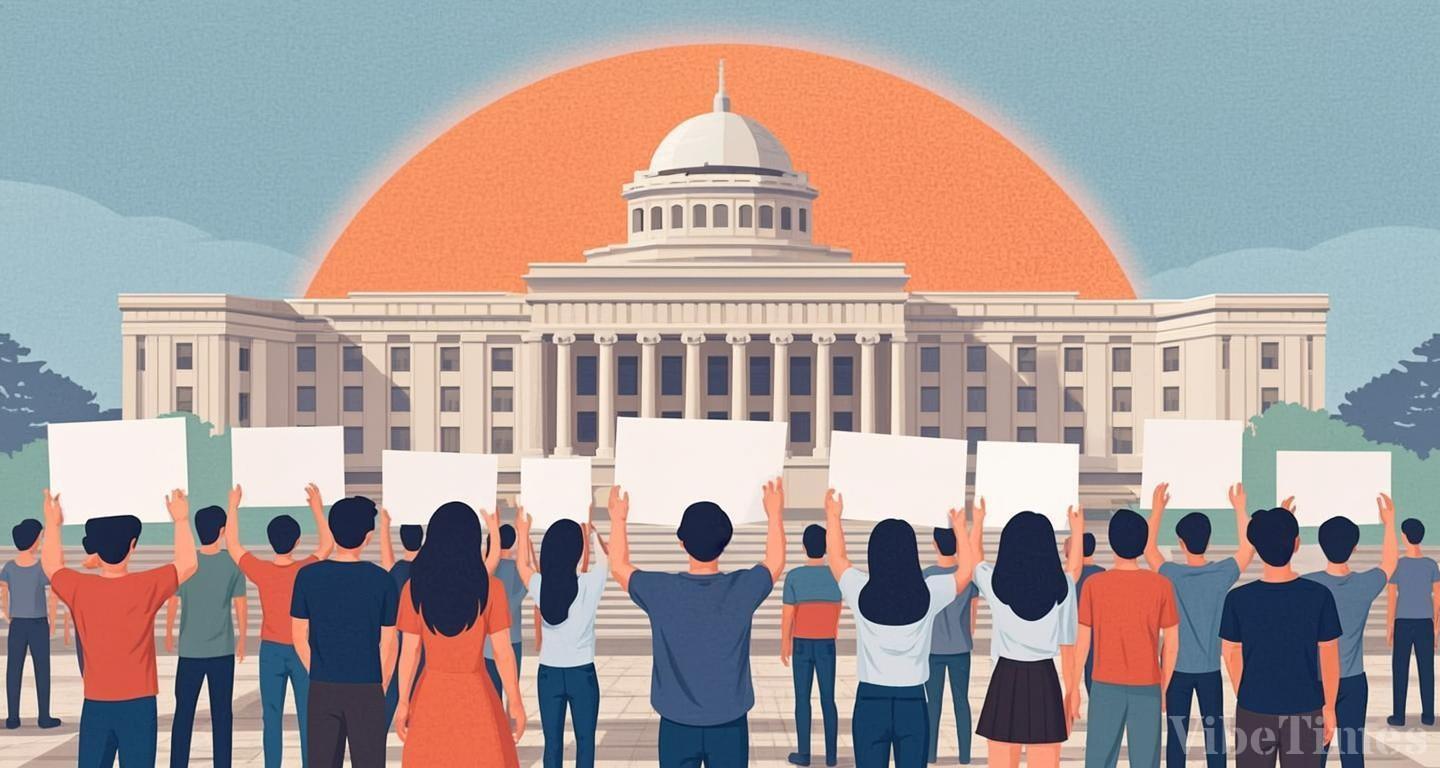
The People Power Party took to the streets of Daegu, targeting the special prosecutor bill on allegedly fabricated indictments.
On the 21st, the People Power Party held a large-scale street rally in Daegu, focusing its denunciation on the "framed indictment" special prosecutor bill passed under Democratic Party leadership and the push to impeach Chief Justice Cho Hee-de. According to Yonhap News, the party defined the ruling camp's forceful passage of the special prosecutor bill and its impeachment drive as "treason," voicing strong opposition. Earlier that day, ruling-party lawmakers had staged a 50-minute walkathon near Hongdae wearing signs reading "The Lee Jae-myung Jailbreak Law: Destroying the Rule of Law."
Re-approval During an Overseas Trip: The Spark of Conflict
The immediate trigger for the rally was the timing of the bill's re-approval. The special prosecutor bill, aimed at investigating allegations that the prosecution fabricated investigations and indictments against President Lee Jae-myung and others during the Yoon Suk-yeol administration, was approved by President Lee while he was traveling abroad on the same day it passed the National Assembly, and was promulgated on the 19th. The People Power Party criticized this, saying, "Following proxy decision-making, the 'Lee Jae-myung Jailbreak Law' was stealthily re-approved during an overseas trip." Given the customary practice of allowing a time lag between official schedules and legislative processing, same-day re-approval is unusual—handing the opposition a pretext to challenge the procedural legitimacy of the move.
The substance of the special prosecutor bill is also contentious. The ruling party argues it is necessary in the interest of judicial justice, given its purpose of investigating allegations of prosecutorial misconduct. The People Power Party, however, contends that the special prosecutor's investigative targets and scope were designed to favor a particular political faction. The very label "jailbreak law" carries the criticism that the legislation is intended to relieve the president of burdens from cases dating back to his time as a presidential candidate.
Cho Hee-de Impeachment: Centered on December 3
Another axis of the conflict is the impeachment of the Chief Justice. Democratic Party spokesperson Cho Gye-won said a consensus is forming around a plan to introduce an impeachment motion against Chief Justice Cho Hee-de around the 3rd of next month. December 3 marks the second anniversary of the martial law crisis, and the move is read as the ruling party's calculation to time its legislative schedule for political symbolism.
The People Power Party has framed the impeachment push as a destruction of constitutional order and positioned itself for a counterattack. The opposition warned, "Every Democratic lawmaker who votes for impeachment must bear political responsibility if the motion is dismissed by the Constitutional Court." Reform Party lawmaker Lee Jun-seok also raised a point of contention, arguing that the moment the Democratic Party impeaches Chief Justice Cho, the Seoul High Court would have to proceed with the remanded case against President Lee under the Public Official Election Act—highlighting how the impeachment could affect trials involving the president. The implication is that impeaching the Chief Justice could itself become a variable in trial schedules.
Passage of the Democracy Activists Act: Criticism of Legislative Speed
During the same period, the handling of the Democracy Activists Act also fueled political battles. The bill, which establishes the basis for state-level honors and support for those who contributed to the democratization movement and their families, passed the National Assembly under Democratic Party leadership. According to Yonhap News, this came roughly two years after former President Yoon Suk-yeol exercised his right to request reconsideration—in effect, his veto. The People Power Party countered by calling it an "activist privilege law," raising questions about the rigor of its scope and review criteria.
With the special prosecutor bill, the Chief Justice impeachment, and the Democracy Activists Act surfacing in succession, the National Assembly has shown a pattern of major bills being passed amid bipartisan confrontation in a short period. As the ruling party pushes forward legislation based on its majority, the opposition is responding through a war of public opinion in the streets rather than on the chamber floor. The Daegu rally and the Hongdae walkathon are prime examples.
Upcoming Schedule and Key Issues
Three points merit attention going forward. First is the content and voting outcome of the expected impeachment motion against Chief Justice Cho Hee-de, likely to be introduced around the 3rd of next month. The opposition is likely to press for a supportive vote by invoking political responsibility, while the ruling party will probably push its schedule by leveraging the December 3 symbolism.
Next is whether the special prosecutor's investigation actually gets underway. Once a special prosecutor is appointed and the investigation begins under the promulgated bill, the legal risks facing those involved in the prosecutorial investigations will become reality, and the partisan battle is expected to shift from the legislative to the judicial arena. Finally, the scope debate could reignite in the aftermath of the Act's re-passage, during follow-up measures and the budgeting process. Within weeks at the soonest, the impeachment filing and the special prosecutor's appointment are expected to converge, shaping the course of the political landscape.
