KOSPI Triggers Intraday Sell-Side Sidecar

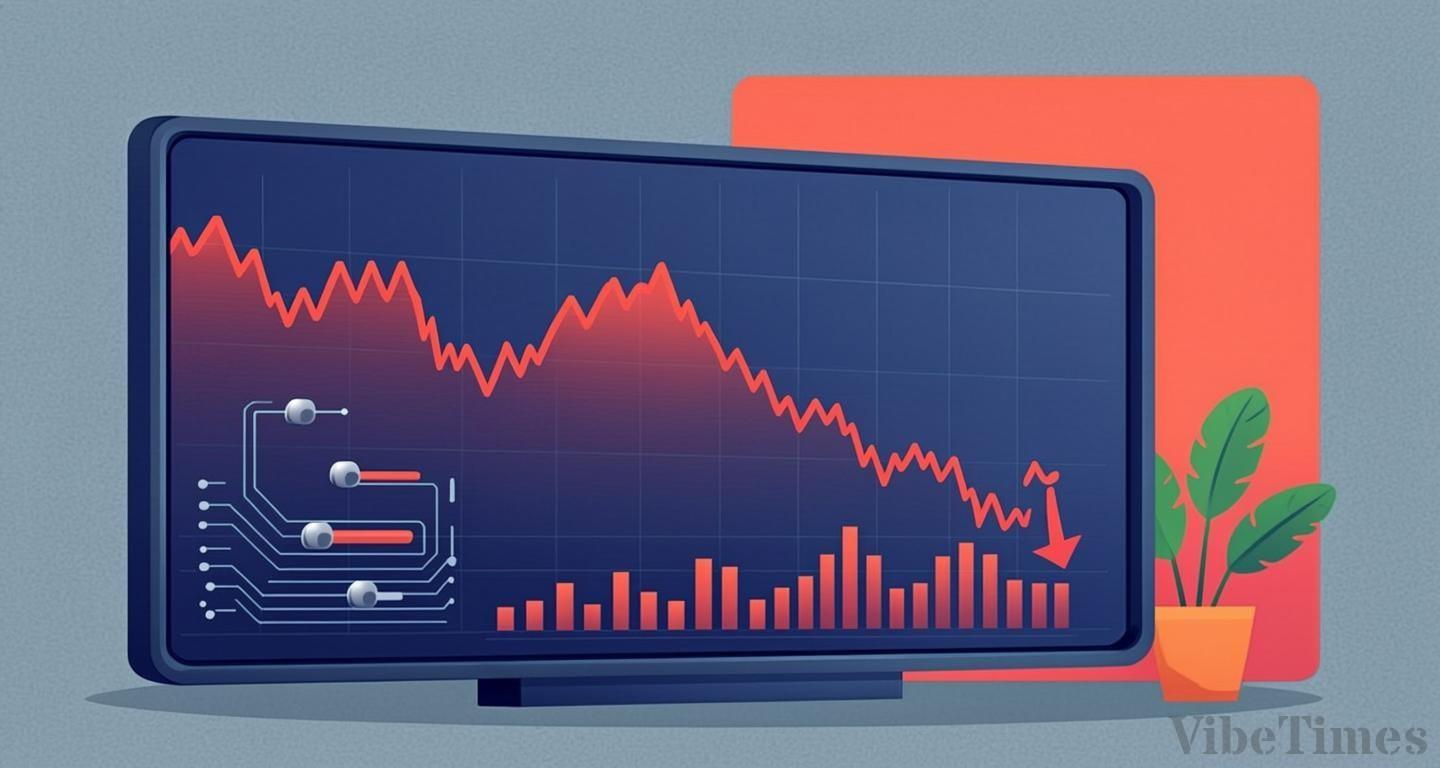
The KOSPI index plunged 3.32% in a single day, triggering the 'sell-side sidecar' (a mechanism that briefly halts program selling during sharp declines) to protect intraday investors. The drop came as jitters over a plunge in U.S. markets, combined with news of a U.S. investigation into AI semiconductor companies, pushed anxious investors into a wave of selling. Lee Kyung-min, a researcher at Daishin Securities, said, "The KOSPI has fallen roughly 50% from its peak, absorbing a shock on par with the largest since the 2008 financial crisis, the 1997 IMF currency crisis, and the collapse of the dot-com bubble in 2000." He added, "Following Nvidia, AMD has also come under suspicion of violating export controls to China, widening uncertainty over AI-related regulations. With news that the U.S. SEC is investigating potential accounting issues at Nvidia, investor sentiment toward the AI industry as a whole has cooled further."
The software sector posted the steepest declines. NAVER finished at 150,000 won, down 7.18%, while Samsung SDS (-15.42%), LG CNS (-13.93%), and Kakao (-6.61%) also fell. Among the largest companies by market capitalization, Samsung Electronics (-3.06%), SK Hynix (-2.52%), Samsung Biologics (-4.49%), KB Financial (-5.71%), Hyundai Motor (-2.94%), Celltrion (-5.16%), and Samsung Life Insurance (-5.86%) all declined.
The KOSDAQ fell 1.58% from the previous session (645.68) to close at 635.49. On the KOSDAQ, retail and foreign investors net sold 173.9 billion won and 35.4 billion won respectively, while institutions net bought 197.5 billion won. On the KOSPI, retail and foreign investors net sold 366.8 billion won and 247.2 billion won respectively, with institutions net buying 187.2 billion won.
In the Seoul foreign exchange market, the won-dollar exchange rate closed at 1,346.80 won, up 0.80 won (0.06%) from the previous session's close.