Middle East War Triggers Sharp Drop in Saudi, Iraqi Oil Output

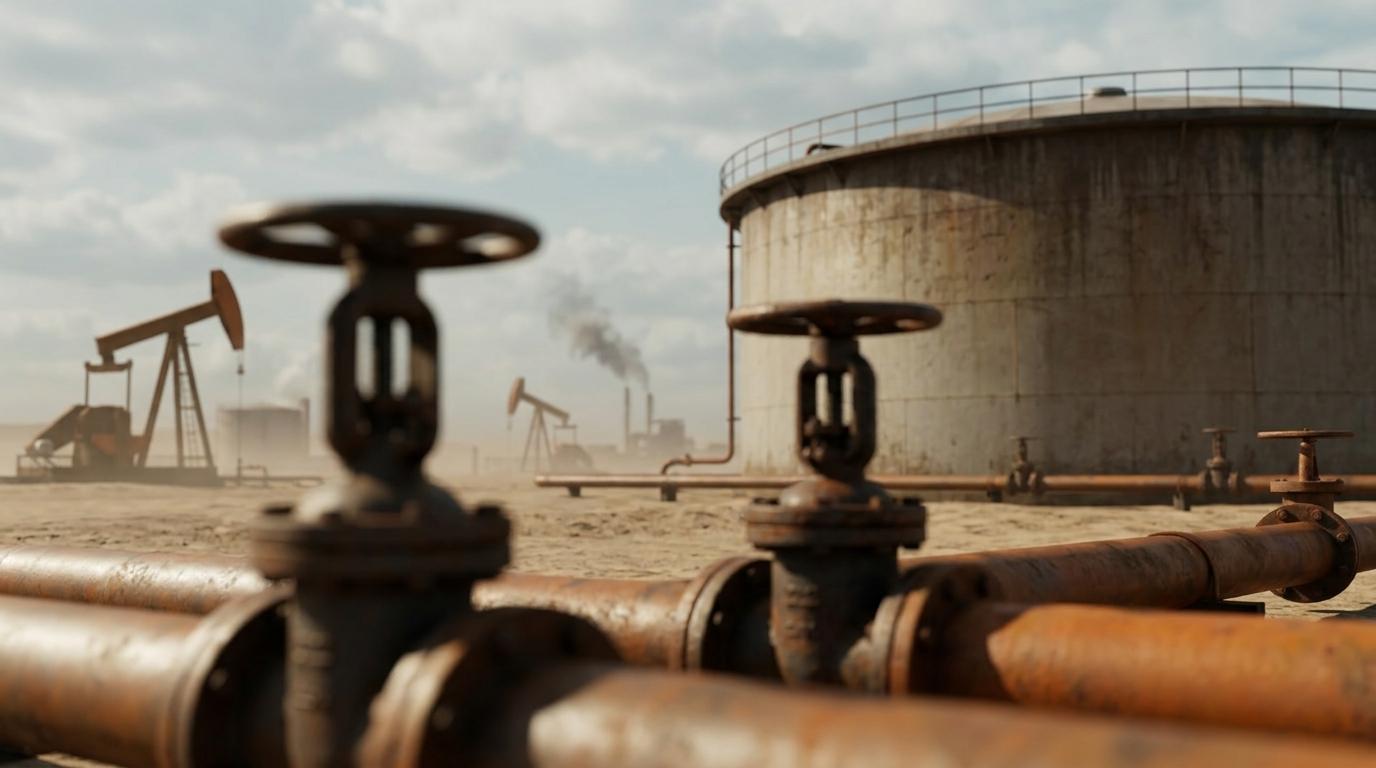
As a result of the Middle East conflict, oil production from major oil-producing countries, which can affect global energy prices and economies, has significantly decreased. According to the monthly report released by the Organization of the Petroleum Exporting Countries (OPEC) on the 13th, Saudi Arabia's daily oil output as of the 26th of last month was recorded at 7.799 million barrels. This is a 22.9% reduction compared to 10.112 million barrels on February 26, just prior to the conflict. The decrease in production was even more dramatic for Iraq, the Middle East's second-largest producer, which saw a sharp drop of 61.2% from 4.188 million barrels per day to 1.625 million barrels per day during the same period.
Other oil-producing nations in the Gulf region also saw substantial production cutbacks. The United Arab Emirates (UAE) experienced a 44.7% decrease, with daily output falling from 3.419 million barrels to 1.892 million barrels. Kuwait also saw a 53.0% reduction, from 2.582 million barrels to 1.213 million barrels. Analysts suggest that oil producers reduced output in response to attacks on energy facilities in the Gulf by Iran and the potential blockade of the Strait of Hormuz.
The sharp decrease in supply has rapidly driven up international oil prices. The OPEC basket price in March rose by $48.46 per barrel compared to the previous month, averaging $116.36. Front-month Brent crude futures increased by $30.23 to trade at an average of $99.60, while West Texas Intermediate (WTI) front-month futures rose by $26.48 to an average of $91. Oman crude front-month futures saw a particularly sharp increase of $56.14, trading at $124.56.