Strait of Hormuz Control Adds to Global Economic Burden

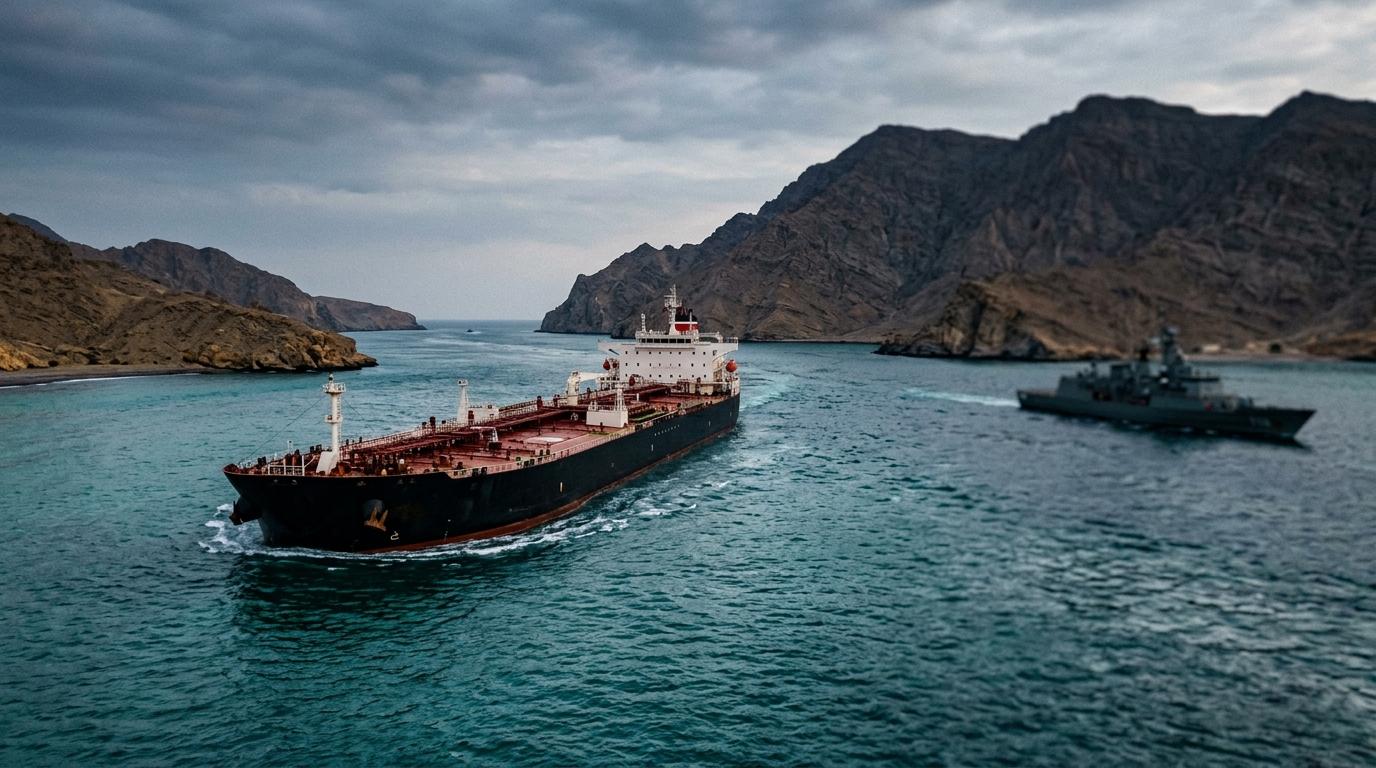
Since Iran began restricting passage through the Strait of Hormuz in early March, jet fuel prices have risen by an average of 25%. This is making it difficult for international relief organizations to fund their operations. Christian aviation and relief groups helping the world's most vulnerable stated that they are facing difficulties due to rising international oil prices and shipping disruptions caused by supply chain instability. The Strait of Hormuz accounts for approximately 20% of the world's crude oil transport. Disruptions in this strait exacerbate upward pressure on international oil prices, leading to increased overall logistics costs, including air fuel expenses, thereby increasing the operational burden on relief organizations.
Jungle Aviation and Radio Service (JAARS), a Christian non-profit organization, immediately felt the impact of the surge in air fuel costs in the wake of the tightened controls on the Strait of Hormuz. JAARS operates 48 aircraft and employs 75 pilots, undertaking the mission of transporting missionaries to key rainforest regions worldwide. JAARS now faces an additional cost of $150 per hour, a 25% increase from the previous $600 per hour spent on turboprop aircraft fuel. Furthermore, the organization is encountering rising costs for parts and labor due to supply chain instability, leading to unexpected operational cost increases contrary to the previously projected annual inflation rate of 2.5-3%.
JAARS has not yet suspended operations. These increased costs could directly impact the transportation of essential supplies such as food and medicine to vulnerable populations worldwide.