Easy & Safe Home Baking Recipes to Make With Your Children

Home baking with children goes beyond simple fun, profoundly impacting a child's holistic development. In recent years, with growing interest in healthy eating habits and increased time spent at home, home baking has been recognized for its educational value in stimulating the five senses and fostering creativity. It provides children with enjoyable experiences and a sense of accomplishment, while offering parents a precious opportunity to build a deep bond with their kids.
The Diverse Values of Baking Together with Children
Home baking offers children the best experience, stimulating their senses, enhancing learning abilities, and most importantly, forging precious family bonds during their growth. Safe and simple recipes can help nurture a child's sense of achievement and creativity.
Educational Effects Supporting Healthy Growth
The process of baking with children holds rich educational value beyond mere play. By touching flour, dough, and various ingredients and smelling them, children naturally develop diverse senses. Measuring and mixing ingredients helps them grasp mathematical concepts, and observing the dough rise as it bakes satisfies their scientific curiosity. Furthermore, the activities of mixing ingredients and shaping dough positively impact fine motor skill development.
A Process That Stimulates the Senses and Cultivates Creativity
Baking is an excellent activity that comprehensively stimulates a child's five senses. From the texture of moist dough, the sweet aroma of sugar and vanilla, the vibrant colors of ingredients, the sounds of mixers and ovens, to tasting the finished treats – every moment offers sensory delight. Children can develop creative thinking by adding their own ideas when mixing ingredients or shaping dough.
Creating 'My Own Masterpiece' to Instill Achievement and Confidence
Children exhibit remarkable concentration as they follow recipes, prepare ingredients, knead dough, and watch delicious bread bake in the oven. The sense of accomplishment they feel upon successfully completing a creation is immeasurable. The experience of taking pride in what they've made and gaining confidence serves as a great foundation for a child's emotional stability and positive self-identity.
Safe and Easy Home Baking Recipes for Failure-Free Enjoyment
Home baking is no longer exclusive to experts or housewives. Thanks to the development of meal kits, ready-to-cook foods, and a variety of home baking kits and pre-mixed batters, anyone can easily enjoy it. Baking with children is particularly popular in online communities and parenting content. In line with this trend, we introduce a few recommended recipes based on two key elements: 'safety' and 'fun'.
1. The Epitome of Softness: 'Muffins'
Muffins, one of the most basic baking items, are perfect for making with children. The process is simple: just pour the batter into paper cups or muffin tins and bake. During mixing, it's safe and fun to guide children to lightly whisk the ingredients with a whisk after separating wet and dry components. Adding ingredients like nuts, dried fruits, or chocolate chips that children love can make them even more interesting and personalized.
Ingredient Preparation and Mixing Process
Simple measuring reduces errors, and the experience of mixing ingredients with different textures aids children's sensory development. When children are mixing, it's important to guide them not to overmix, preserving a soft texture rather than a chewy one.
Safe Baking and Finishing Tips
Oven use must always be supervised by a parent. Ensure children do not try to open the oven, and be cautious of the heat when removing the finished muffins. If desired, simple decorations like icing or fruit pieces can be added for visual appeal.
2. The Joy of Shaping by Hand: 'Cookies'
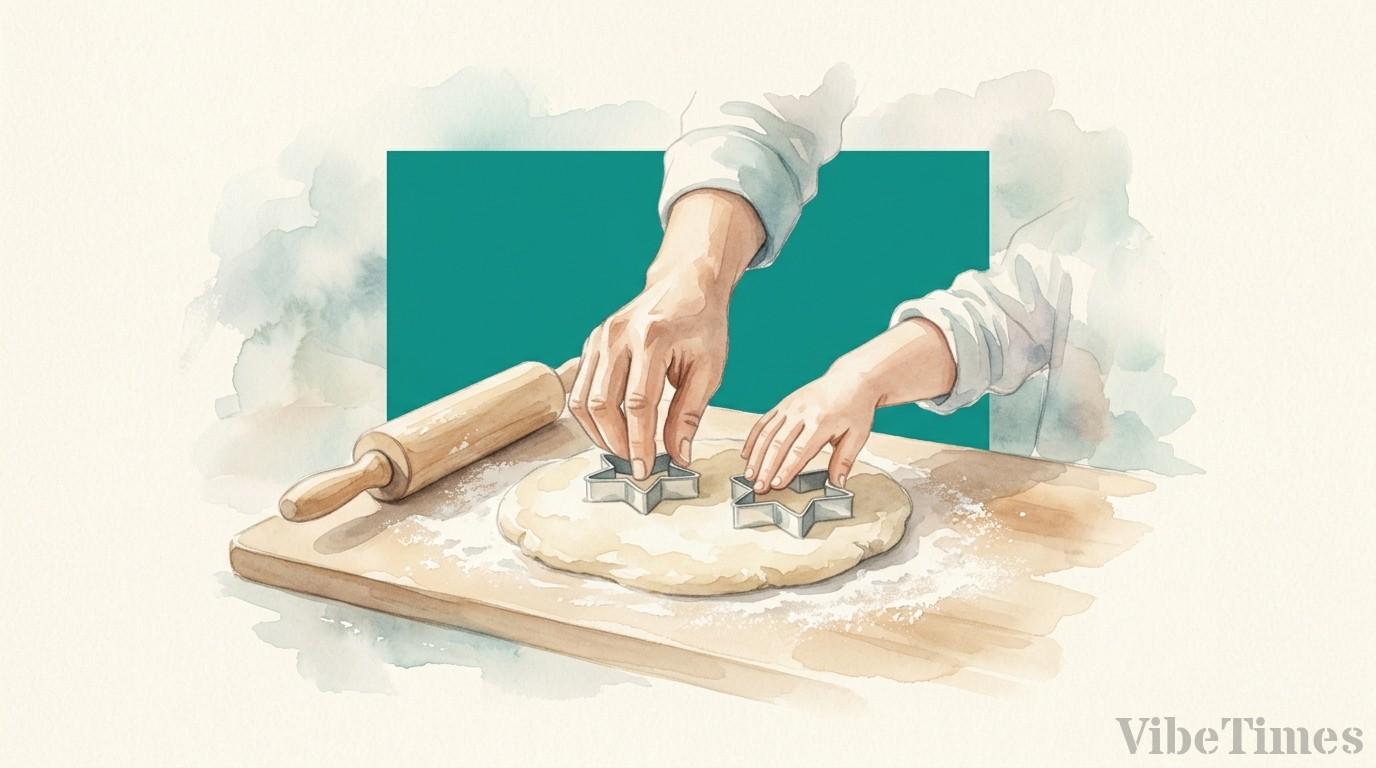
Cookies are a great menu item that allows children to enjoy the fun of touching the dough with their hands and using cookie cutters without complex steps. Parents can assist with creaming butter and sugar, while children participate in mixing dry ingredients like flour and then gathering the dough. The experience of touching the dough with their hands brings joy, and they can express their creativity by cutting shapes or molding them.
Role Division During the Dough Stage
It's crucial to work with cold butter that hasn't melted, a process parents should lead. Children can mix dry ingredients like flour, salt, and baking powder, and after the dough is ready, they can participate by using cookie cutters in their favorite shapes or rolling them into flat discs by hand.
Realizing Ideas with Various Shapes and Flavors
Using a variety of commercially available cookie cutters can make the activity even more exciting for children. Encourage them to create their own unique designs by adding ingredients like powdered sugar, nuts, or chocolate chips. The faint scent of butter filling the house while baking will create happy memories for both parent and child.
3. Sweet Transformation: 'Fruit Skewers & Yogurt Bowls'
When baking tools are unavailable or a simpler, healthier dessert is desired, fruit skewers and yogurt bowls are excellent alternatives. Prepare seasonal fruits that children enjoy, cut them into various colors and shapes, and let children thread them onto skewers or top their yogurt. This activity is very safe as it doesn't involve knives and naturally teaches children about the harmony of colors and flavors in food.
Safe and Creative Ingredient Combinations
Prepare fruits of various colors and shapes to spark children's visual interest. Choose soft, easy-to-eat fruits like kiwi, strawberries, grapes, bananas, and blueberries. The process of threading skewers or arranging toppings on yogurt allows children to develop their own sense of design.
Healthy Toppings for Nutrition and Taste
In addition to fresh fruit, add granola, nuts, seeds, or a small amount of honey or maple syrup to the base yogurt to enhance nutrition and flavor. Allowing children to choose and combine ingredients themselves fosters autonomy and creativity while helping to form healthy eating habits.
4. Super Simple 'Microwave Mug Cake'
This recipe can be completed in a short time using a microwave without an oven, produces minimal dishes, and allows children to enjoy mixing the ingredients themselves. It's suitable for children aged 3 and up, and delicious cakes can be made with simple measurements. (For one mug) Dry ingredients include 3-4 tablespoons flour, 2-3 tablespoons sugar, 1-2 tablespoons cocoa powder (optional), and 1/4 teaspoon baking powder. Wet ingredients include 3-4 tablespoons milk, 2 tablespoons vegetable oil, and 1/2 beaten egg.
Easy Ingredient Mixing Process
Instruct children to gently mix dry ingredients in a clean bowl with a fork. Mix wet ingredients in another bowl, then pour them into the dry ingredients and slowly stir with a spatula or fork until no lumps remain. Adding chocolate chips or dried fruits allows children to enjoy the mixing activity themselves.
Safe Microwave Cooking and Decoration
Fill a mug about 2/3 full with batter and microwave for approximately 1 minute 30 seconds to 2 minutes. Adjust time based on microwave specifications; it's done when a skewer inserted comes out clean. Adults must remove it as it's hot and let it cool before encouraging children to decorate it freely with whipped cream or powdered sugar.
Safety Rules and Preparations for Enjoyable Home Baking
To ensure a successful home baking experience, adherence to safety rules and thorough preparation are essential. Assign roles suitable for children's eye level and prioritize safety in all steps.
Essential Supplies and Creating a Safe Environment
Before starting home baking, prepare basic ingredients (flour, sugar, butter, eggs, etc.) and tools (bowls, whisks, spatulas, measuring cups/spoons, oven/air fryer) according to the recipe. The baking area should be safe for children to move around in, and dangerous items like hot appliances and knives should be stored away beforehand to ensure clear pathways for children. Aprons and hairbands can give children a sense of a special experience and aid in hygienic activities.
Encouraging Participation and Safety Guidance Tailored to Children's Level
It's important to assign roles in the baking process according to the child's age and developmental level. For younger children, simple tasks like mixing or cutting shapes are suitable, while older children can be given tasks like measuring or helping with dough to foster a sense of accomplishment. Safety rules regarding hot ovens, sharp tools, and ingredients in the dough must be clearly and repeatedly communicated at every stage.
Conclusion: The Time Spent Together is the Best Recipe
It's okay if the results of home baking with children aren't perfect. What matters is the process itself: laughing together, collaborating, and learning new things. Through this process, children build positive memories with their parents, discover a healthy hobby, and find themselves growing. Every moment spent touching dough, smelling the delicious aroma from the oven, and sharing the finished creation together will be an unforgettable, precious experience for the child.