Public AI Operates in Demanding Environments

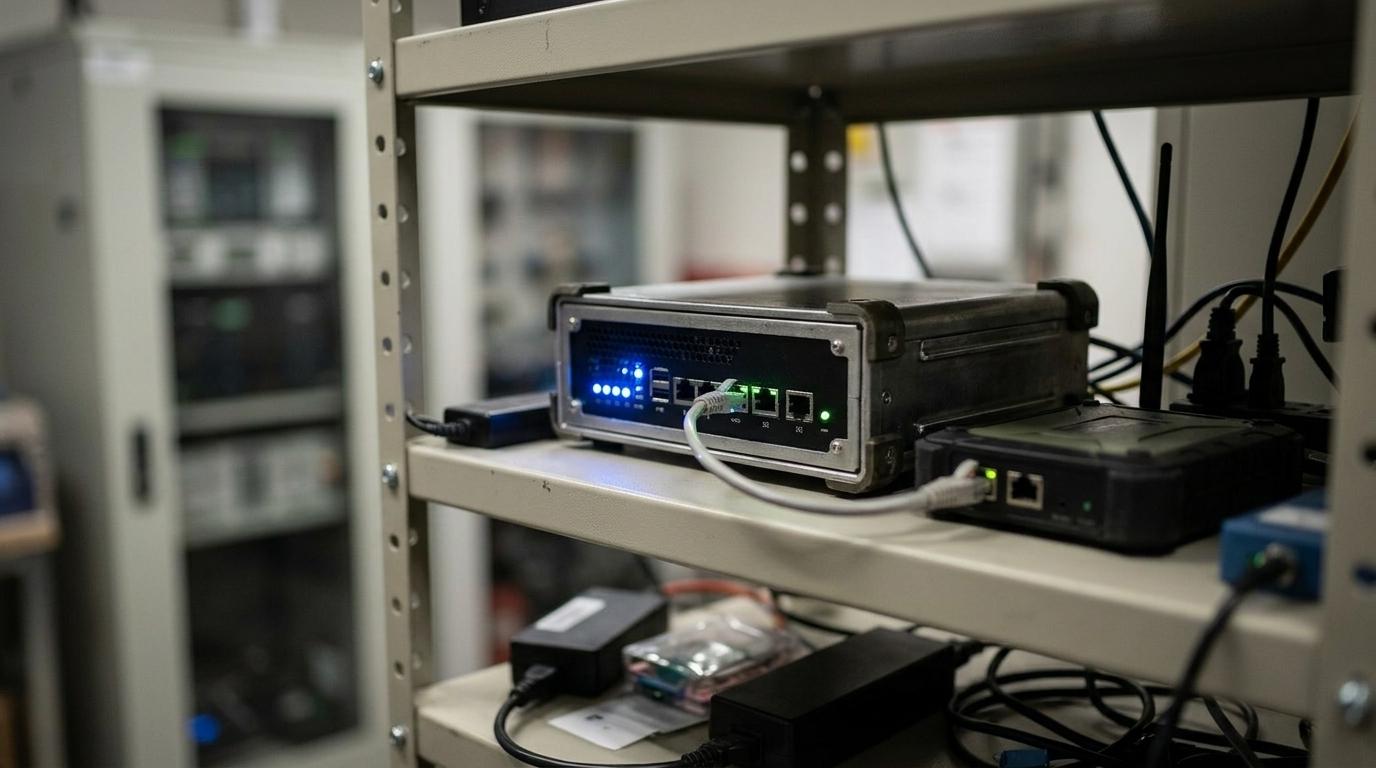
To enable government agencies to safely deploy AI in environments with stringent security and controls, a push is underway for Small Language Models (SLMs) – a cutting-edge trend of small, efficient AI language tools optimized for specific purposes. This is seen as a novel effort to expand AI's reach within complex regulatory frameworks.
As AI adoption spreads across all industries, the public sector also faces pressure to adopt the technology. However, unique constraints, distinctly different from the private sector, make AI adoption challenging. The issues public institutions face in terms of security, governance, and operations complicate the practical on-site application of AI. Seventy-nine percent of public sector executives are concerned about AI data security, and government agencies permit only very limited control over data transmitted over networks.
In such environments, purpose-built Small Language Models (SLMs) are emerging as a practical, cutting-edge alternative for enabling AI operations that meet the security, trust, and control requirements of government agencies. SLMs are specialized AI models that use billions, or even tens of billions, of parameters, requiring less computational power than Large Language Models (LLMs). Public sector entities can install and operate SLMs within their own limited environments without needing to build them in external, centralized locations or manage increasingly large models. SLMs can perform comparably to or better than LLMs, allowing for the effective and efficient use of sensitive information while avoiding the complexity of maintaining large-scale models. Public institutions often lack familiarity with managing GPU infrastructure and may not purchase GPUs, making GPU access a bottleneck for AI model operations; SLMs contribute to alleviating these infrastructure constraints.