AI Virtual Models Promote Plastic Surgery and Beauty Services, Raising Consumer Deception Concerns

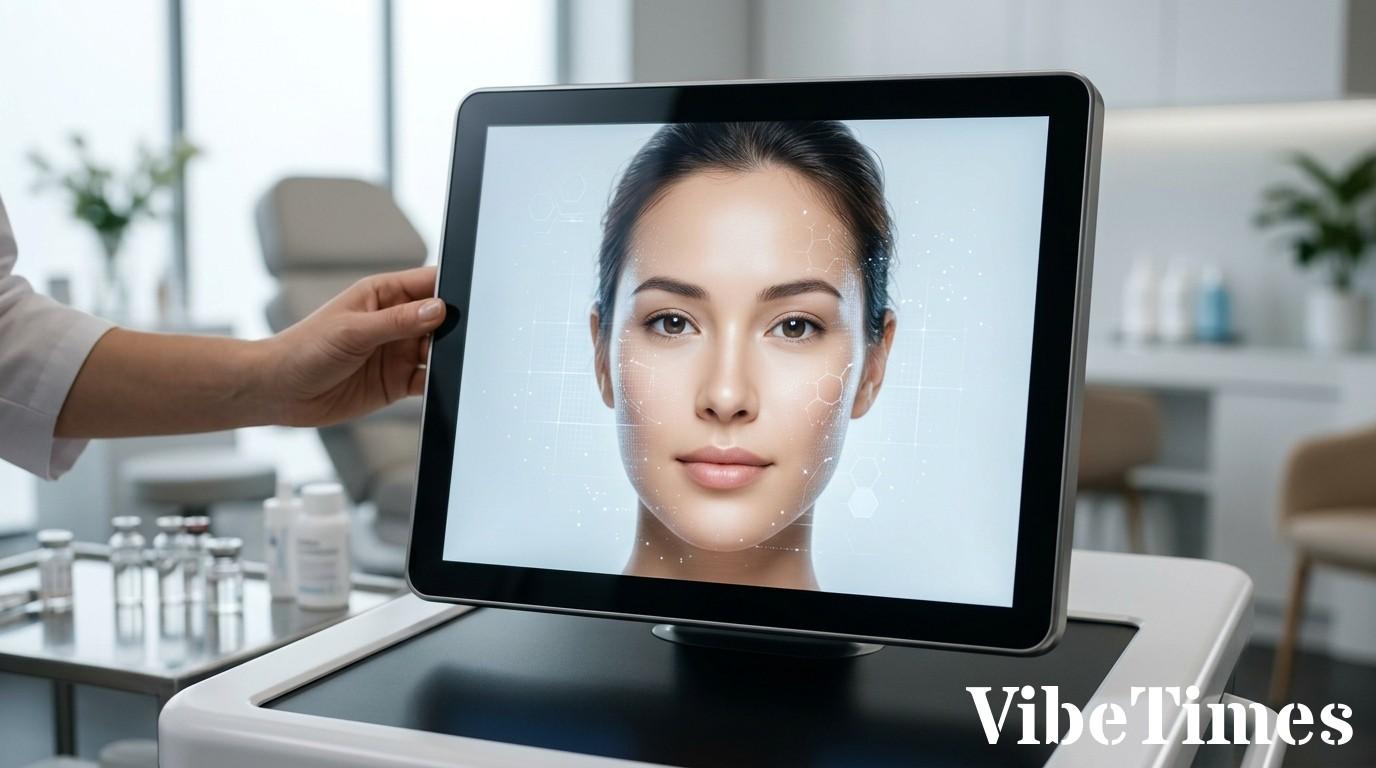
Plastic surgery clinics and beauty salons are increasingly using virtual images created by artificial intelligence (AI) as if they were real clients for promotions, raising concerns about consumer miscomprehension and potential harm. While 'before and after' photos along with promotional messages are frequently posted on social media, the 'clients' featured are often not real people but virtual images generated by AI. With the popularization of generative AI, fake promotional materials created by AI are on the rise online, especially in service industries where user reviews are crucial. These advertisements often fail to clearly state that they are 'AI-generated,' making it difficult for consumers to discern their artificial nature.
Promotions using AI models can also be found on dating apps. Some apps promote themselves by attaching descriptions to AI models, making them appear as if they are real users. This raises concerns that it could undermine the overall trust in the industry. AI promotional content goes beyond just using fake models; some restaurants have even posted AI images designed to look like they were featured on popular TV shows. These images, unrelated to any actual broadcast, were AI-synthesized photos depicting a woman in revealing clothing giving an interview. Although the establishment removed the photos after controversy, instances of using fake customer and food photos created by AI are still occurring.
On outsourcing service platforms that provide AI model image creation, freelancers advertise their services for creating AI advertising photos. Users promote the benefits of using AI models, stating, 'You can easily resolve bothersome processes like model scouting, styling, and shooting.' One user left a review saying, 'I only post AI model cuts every day without saying anything, and nobody knows.'
Experts point out that the risk of consumer harm is particularly high in service industries that rely on the trust of actual users. Lee Eun-hee, a professor of consumer studies at Inha University, stated, "Review photos directly influence consumers' purchasing decisions," and added, "Using AI images as if they were real cases is an act of deceiving consumers." Professor Lee emphasized, "As AI capabilities become more advanced, it is becoming increasingly difficult for ordinary consumers to distinguish them," and stressed, "Regulations are needed to ensure businesses clearly indicate whether an image is AI-generated."
In response, the Fair Trade Commission (KFTC) began revising the 'Guidelines for Advertising and Publicity Regarding Recommendations and Endorsements' last month to require disclosure when virtual characters created by AI or other means are used in advertisements. According to the revised guidelines, content recommended or endorsed by a virtual character will be subject to regulation as 'unfair advertising' if it is not based on actual experienced facts. The KFTC plans to finalize and implement the revised guidelines after gathering opinions from relevant ministries and stakeholders and going through the necessary procedures.
