High Oil Price Subsidy Applications Stumble on Strict Eligibility on Day One

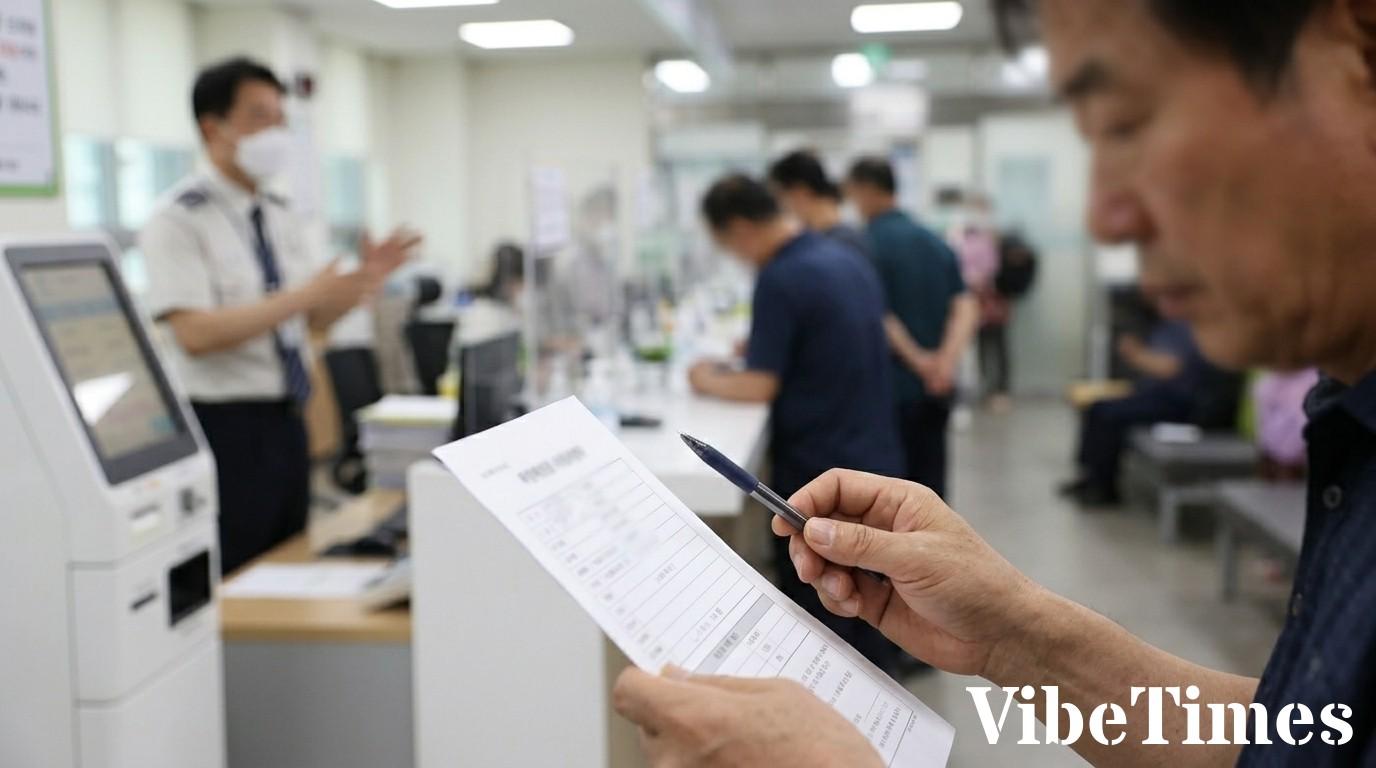
On the 18th, the application period opened for subsidies aimed at assisting those struggling with high oil prices, drawing large crowds to administrative welfare centers nationwide. However, unlike in the past, stricter income criteria led to many citizens being excluded from eligibility and abandoning their applications.
This subsidy targets the bottom 70% of income earners, representing a reduction of over 10 million beneficiaries compared to previous consumption coupon distributions. The confusion on the ground stemmed from the heightened health insurance premium contribution requirements. For a single-person household with employed status, the previous threshold was a health insurance premium of 220,000 KRW or less, but this has now been tightened to 130,000 KRW or less. For single-person households with regional subscriber status, the premium threshold has been tightened from 220,000 KRW to 80,000 KRW or less.
The Ministry of the Interior and Safety explained that the health insurance premium criteria were used for swift eligibility determination. While the exclusion criteria for high net worth individuals remained unchanged, the tightening of health insurance premium standards has raised equity concerns. The government excluded households with property tax assessment bases exceeding 1.2 billion KRW or financial income exceeding 20 million KRW. However, this led to controversy over reverse discrimination against salaried employees, often referred to as having 'glass wallets,' who were disqualified despite paying health insurance premiums. The ministry stated these measures were to concentrate limited financial resources on low- and middle-income households.
The government plans to provide differentiated payments ranging from 100,000 to 250,000 KRW per person and will operate an appeal process.