Seoul Apartment Rents Hit Record High as Sales Prices Dip

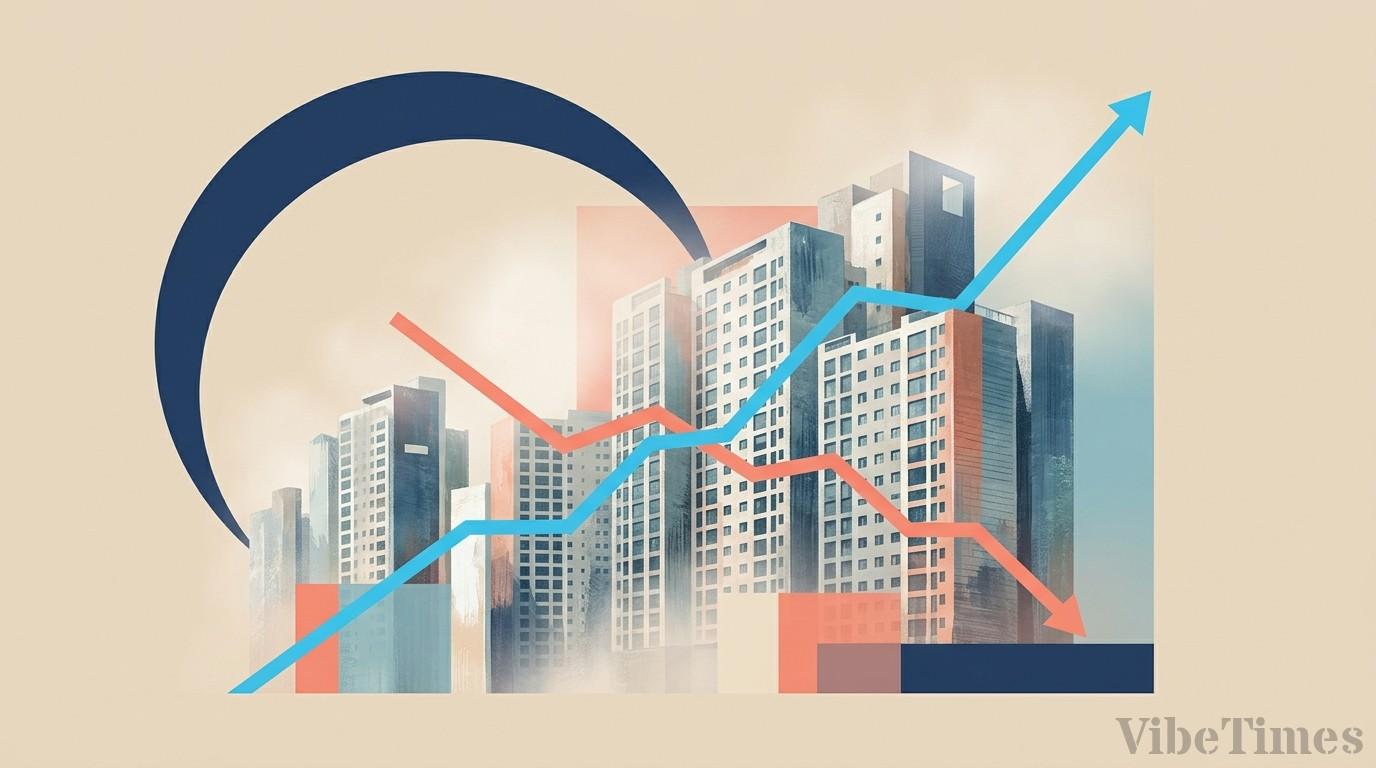
In March, Seoul apartment rental prices climbed for eight consecutive months, hitting their highest point since statistical surveys began. The Seoul Metropolitan Government announced these findings on the 22nd, based on a survey by Korea Real Estate Board. The real transaction price index for Seoul apartments in March rose by 1.36% from the previous month, the highest figure since relevant statistics were compiled in 2014. Regionally, areas north of the Han River led the rental price surge, with prices increasing across Seoul except for some central business districts like Yongsan, Jongno, and Jung-gu. The Northeast (2.14%) and Northwest (1.24%) regions, encompassing districts such as Nowon, Dobong, and Gangbuk, and Mapo, Seodaemun, and Eunpyeong respectively, showed particularly significant rises. This was attributed to tenants, unable to bear the rising rental costs, moving to more affordable, mid-priced apartments in outer areas. The Southeast (1.08%) and Southwest (1.05%) regions also saw price increases, but their growth was relatively smaller compared to the Northeast and Northwest.
In contrast, the sales market showed signs of stagnation. The real transaction price index for Seoul apartments in March fell by 0.28% from the previous month. This marked the first time in seven months, since August of the previous year, that Seoul apartment prices turned downward. This market shift was influenced by the government's announcement to end the grace period for capital gains tax surcharges on multi-homeowners on May 9. Multi-homeowners and owners of high-priced properties, seeking to avoid the pressure of property taxes and capital gains tax surcharges, released urgent sale listings at reduced prices as the disposal deadline loomed. These bargain sales were primarily completed, pulling down the overall index. The impact was concentrated in Gangnam, an area densely populated by the wealthy, and for larger apartment units. The sales index in the Southeast region, home to many high-priced apartments, fell by 3.10%, leading the downturn. The Central Business District (-0.46%) and Northwest region (-0.09%) also continued their downward trend. Mid-to-large sized units (85-135 sqm) (-2.48%) and large units (over 135 sqm) (-1.98%) experienced more pronounced price drops. This was a result of a combination of demand seeking to benefit from the tax surcharge grace period and multi-homeowners realizing profits.
As wealthy individuals cleared their holdings, market dominance shifted to "actual end-users." An analysis of transaction prices in March revealed that apartments priced below 1.5 billion won accounted for a dominant 80.8% of transactions. This indicates that while investment demand has significantly contracted due to financial institutions' mortgage limits of up to 600 million won for apartments under 1.5 billion won, transactions by genuine buyers, who are at the threshold of being able to purchase a home with a loan, continue to occur. Nowon District, with many mid-priced apartments, recorded the highest transaction volume in Seoul with 888 units, followed by Gangseo, Seongbuk, and Guro districts, supporting this trend.
Meanwhile, the overall volume of urgent sales transactions to take advantage of the "last-minute tax break" increased. In April, the number of Seoul apartment sales transactions reached 6,851, a sharp 25.1% increase from the previous month. Transaction volume in Gangnam District (278 units), a regulated area, surged by 67.5% compared to the previous month (166 units). Transaction volumes in key areas like Gwangjin (66.1%), Seongdong (58.3%), Dongjak (40.9%), and Songpa (34.1%) also saw significant increases across the board. This demonstrates active trading before the expiration of the capital gains tax surcharge grace period.