Mastering Cozy Interiors: Expert Color Combination Tips

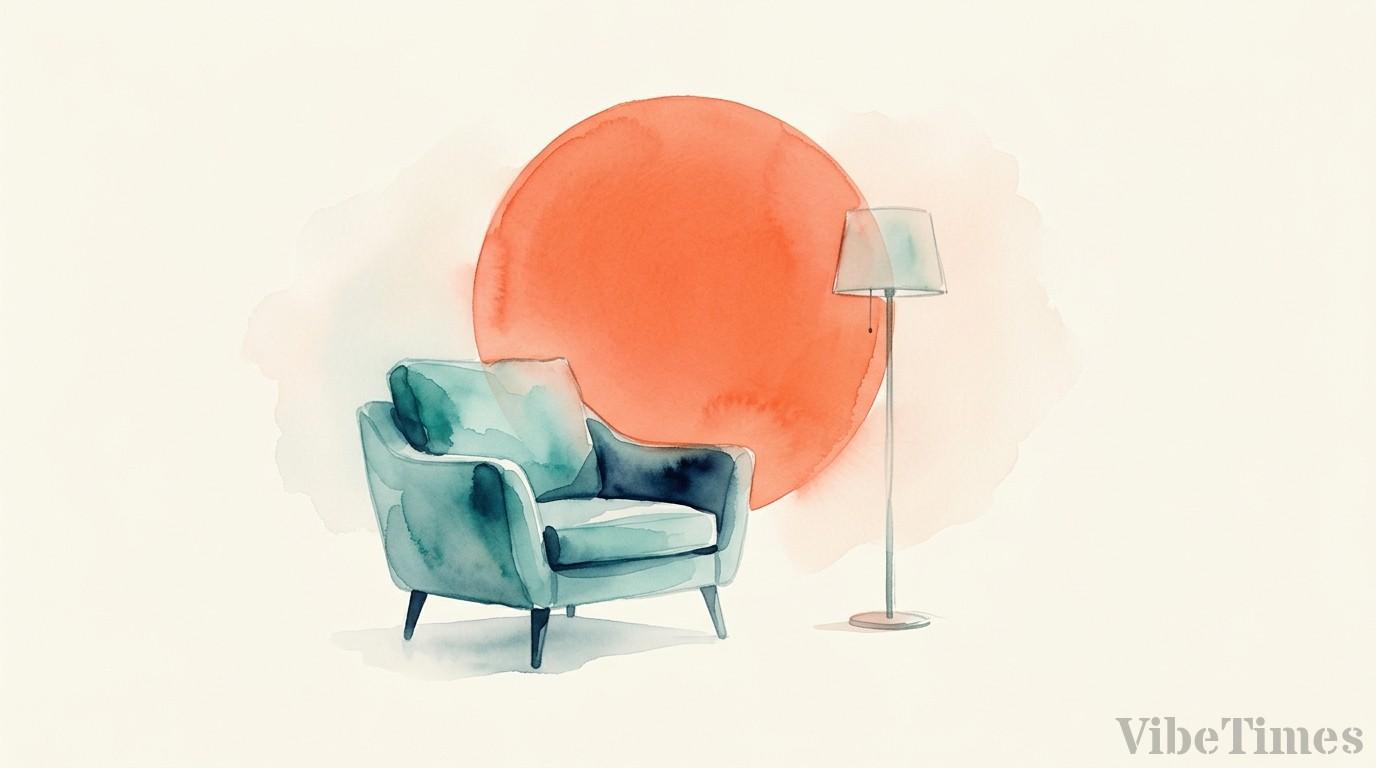
Uncover the secrets of color combinations that bring warmth and coziness to any corner of your home. This guide offers practical tips, reflecting color psychology and the latest trends, to transform your room into a comfortable and satisfying retreat, regardless of space or budget. Research indicates that modern individuals prioritize 'coziness' in their homes, a concept encompassing comfort, security, warmth, and emotional satisfaction.
1. The Essence of Coziness: Understanding Color's Impact on Psychology
1.1. Color: The Invisible Force That Moves the Mind
Color is more than just a visual element; it deeply influences our emotions and psychological state. Understanding the power of colors, which directly affect the brain to evoke feelings of comfort, vitality, and security, is the first step to designing a cozy space. Each hue is linked to specific emotions, stimulating chemical reactions in the brain to induce desired psychological states.
1.2. The Magic of 'Warm Colors' for Added Warmth
Warm colors like red, orange, and yellow are generally known to boost energy and stimulate activity. However, when used appropriately, these colors can also foster a sense of welcome, intimacy, and coziness. Much like the richness evoked by autumn leaves, they infuse a space with warmth, contributing to psychological stability and a cozy atmosphere.
1.3. Harnessing 'Cool Colors' for Calm and Serenity
Cool colors such as blue, green, and purple offer a calming effect, helping to soothe the mind and bring about a sense of peace. These colors can also aid in stress relief and improve concentration. However, overly dark or intense shades can make a space feel cold and bare. Therefore, a delicate approach is needed, harmonizing them with warm colors or choosing lighter tones to create a pleasant and soft ambiance.
2. Color Combination Formulas for Successful 'Coziness'
2.1. Choose Your 'Main Color': Set the Space's Foundation
The key to creating a cozy atmosphere lies in the wise selection of the main color. Neutral tones such as beige, cream, and warm whites act as a comfortable base, naturally harmonizing with any other color. Adding ivory or light brown tones can enhance this deep, stable warmth. Since the main color covers the largest surface area—walls, ceilings, large furniture—it's crucial for determining the overall mood.
2.2. Inject Personality and Vitality with 'Accent Colors'
Strategic use of accent colors is vital to bring life to a potentially monotonous space. Applying warm, desaturated hues like muted mustard yellow, deep green, or terracotta orange to cushions, picture frames, or small accessories can achieve a personalized and cozy feel without being overwhelming. Research shows that even a single accent color can dramatically change a room's atmosphere.
2.3. Add Depth with 'Tone-on-Tone & Tone-in-Tone' Techniques
The Tone-on-Tone technique, which adjusts only the brightness or saturation within a similar color family, provides a sense of sophisticated and calm unity. For example, placing a dark beige sofa against a light beige wall. Tone-in-Tone, where brightness is kept constant but saturation varies, is effective for creating a soft yet deep sense of coziness. These techniques add visual comfort, dimension, and stability to a space.
3. Latest Trends and Expert Advice: Creating Your Personal Cozy Space
3.1. Color Palettes Reflecting 'Eco-Friendly & Naturalistic' Trends
Current interior design trends focus on 'wellness' and 'naturalism,' significantly influencing color choices. Sand beige, olive green, and taupe, colors reminiscent of earth, wood, and plants, offer psychological stability and a natural sense of comfort, making them excellent for achieving 'natural coziness.' These earthy colors instinctively provide a sense of security and warmth, adding depth to a space.
3.2. Synergy of 'Lighting' and Color: Completing the Coziness
Color perception changes significantly with lighting. Warm-toned bulbs (with lower Kelvin values than daylight white) enhance the warmth of wall colors or furniture, making the space feel cozier. A combination of soft, indirect lighting and muted colors is effective for creating the ultimate cozy ambiance for deep relaxation. Adjusting the color temperature and brightness of lights is a key method for maximizing a color's atmospheric effect.
3.3. The Importance of Reflecting 'Personal Lifestyle' in Color
Coziness is a subjective experience, so finding the colors that make you feel most comfortable and happy is crucial. Research also emphasizes the importance of color combinations that reflect personal taste. Incorporating colors linked to fond memories or personal preferences, even in small elements, can create a truly unique and powerful sense of 'my own coziness'—more so than any trend. For a room dedicated to academic focus, try calming colors; for a relaxation space, focus on comfortable hues.
3.4. Precautions for Cozy Color Combinations
When aiming for a cozy atmosphere, low-brightness, low-saturation (muted) colors generally provide a softer, calmer feel and are thus advantageous. However, bright and vivid colors are not inherently bad. For instance, a deep, desaturated blue can be calming but may make a space feel cramped or stagnant if overused. Therefore, it's important to establish a base with soft neutral tones, add vitality with accent colors, and maintain overall color balance. Considering the room's size and the amount of natural light when selecting colors also helps create a pleasant coziness.