The AI Era: Why Brands Are Becoming Similar

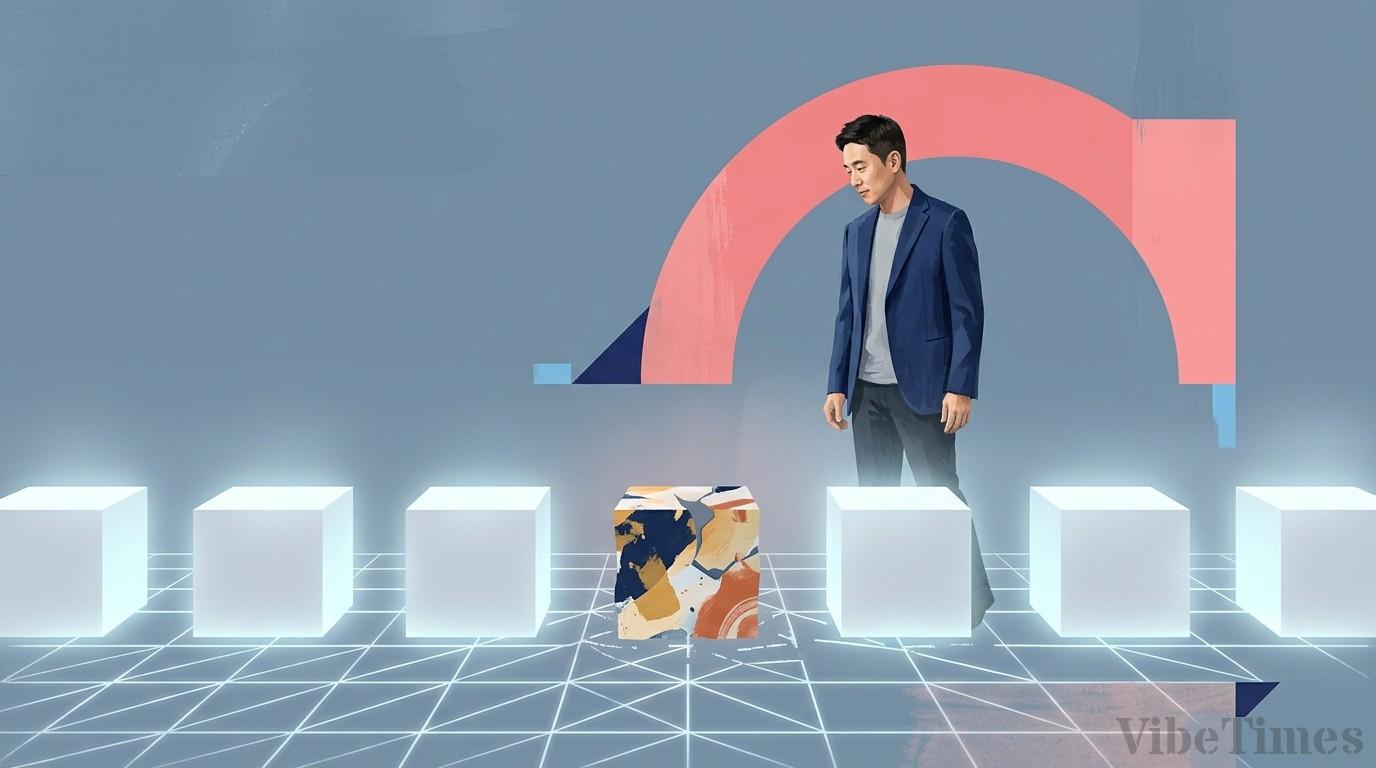
Analysis suggests that brands are becoming similar as quality and functionality reach a plateau due to advancements in AI and big data technology. This is because companies are using AI and big data to precisely analyze consumer preferences and, based on this, design optimized products and services, thus reducing functional differentiation. The pursuit of optimal solutions by all has led to a homogenization among brands based on the latest technology.
Yoon Sang-hoon's new book, "Why Appealing Brands Have Gaps," which focuses on this phenomenon, raises the question, 'Perfection makes brands ordinary,' and offers reasons why brands are becoming alike and how to address it.
The author compares the current situation of brands to the history of contemporary art. Art, having lost its role of realistic representation with the advent of photography, chose the path of 'more interpretation' rather than 'more accurate depiction' to survive. Picasso, Duchamp, and abstract artists left intentional empty spaces in their works, allowing viewers to discover their own meanings within these gaps. Yoon Sang-hoon analyzes that today's brands stand at a similar turning point.
The core concept presented in the book is 'Gap Design.' This refers to a strategy where brands design room for consumers to fill in their own meanings, rather than trying to explain and control everything. This concept redefines the relationship between consumers and brands itself.
The book does not let these arguments remain purely abstract theory. It introduces various domestic and international case studies, such as a bottled water brand packaged like an energy drink to upend market common sense, a brand that sparked conversation by boldly distorting traditional brand logos, and an eyewear store reinterpreted as an art exhibition space. Analyses, particularly of brands like Gentle Monster, Muji, and Liquid Death, suggesting they offered consumers a space for interpretation rather than just products, add to the argument's persuasiveness.
The author emphasizes that while AI can quickly replicate functionality, efficiency, and optimization, it cannot replicate human imagination, emotion, or personal experience. For brands to survive, they must create a 'stage' where consumers can project their own stories, rather than providing more information. The essence of this differentiation comes from 'intentional imperfection.'
This book crosses the boundary between a marketing practical guide and a humanities/general knowledge book. It explains brands through contemporary art and allows readers to re-understand the grammar of contemporary art through brand case studies. Such insights offer valuable reading not only for marketers but also for planners, designers, and creators. If 'gaps' are emphasized without a foundation of product quality and basic competitiveness, there's a risk of remaining an empty concept. However, the author largely overcomes this limitation by framing it as an attitude of co-creating meaning with consumers.
"Why Appealing Brands Have Gaps" discusses branding in the age of AI, but ultimately, it is a book about humans. People linger longer with stories they can participate in and complete themselves, rather than perfectly explained answers. The author's insight that a brand's competitiveness in an era of optimization paradoxically stems from 'intentional imperfection' is both refreshing and convincing. Good brands create beautiful gaps where questions can linger.