Government and Ruling Party Pursue Stability in High-Tech Power Supply, Including New Nuclear Plants

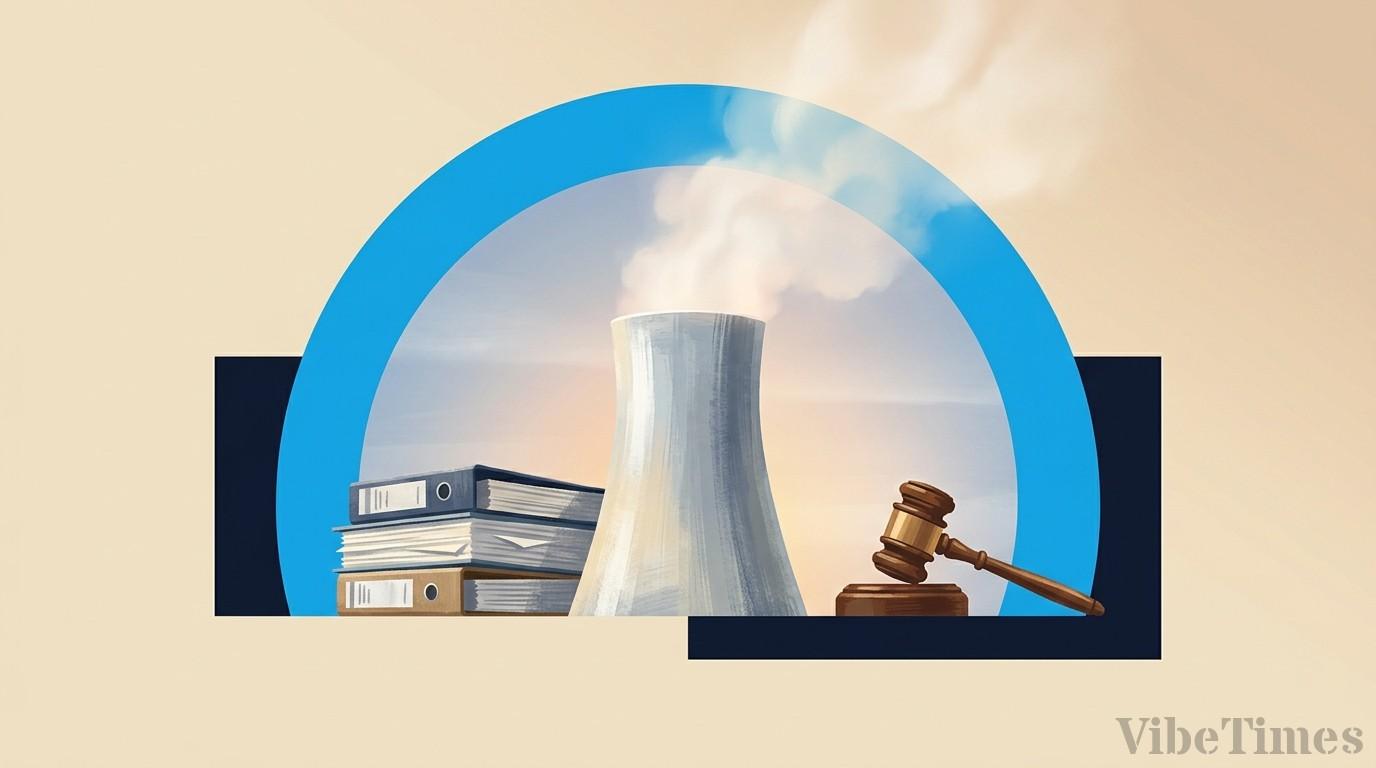
Government and Ruling Party Include New Nuclear Plants to Secure Power for Advanced Industries
The Democratic Party of Korea and the government reached a final agreement on the 13th, during a party-government consultation on the second half economic growth strategy, not to exclude the construction of new nuclear power plants when establishing the Basic Plan for Electricity Supply and Demand. This decision stems from the judgment that a massive power supply is essential to successfully complete the three mega-projects aimed at fostering advanced industries, such as artificial intelligence (AI) and semiconductors. As part of building a stable power grid to support this, the party and government have decided to actively utilize nuclear energy. The goal is to finalize related legislative procedures within the year.
The shift in policy direction is largely attributed to growing concerns across the industry about a potential power crisis. There is a spreading recognition that nuclear power is essential for maintaining the baseload—the power supply that generates a constant amount of electricity throughout the day—moving away from the previous de-nuclearization stance. A macro-level sense of crisis played a significant role, acknowledging that massive corporate investments could fail without structural measures for a stable power supply. Technical limitations were also considered, as the speed of renewable energy adoption alone is insufficient to address the urgency of power shortages.
Ruling and Opposition Parties Clash Over Total Abolition of Prosecutors’ Supplementary Investigation Authority
Disagreements between the ruling and opposition parties regarding the revision of the Criminal Procedure Act remain unresolved. The Democratic Party's floor leadership introduced a revision to the Criminal Procedure Act that would completely abolish the prosecution's supplementary investigation authority, accelerating the pace of institutional reform. The intent is to completely eliminate the current power that allows prosecutors to supplement police investigations, thereby clearly separating the powers of investigation and indictment. In contrast, the People Power Party decided to confront this head-on by agreeing on the 13th to propose a separate bill maintaining the prosecution's authority as the party's official stance. They argue that removing this authority could lower the quality of investigations and hinder the uncovering of the truth.
There is no unified voice within the ruling party either. Pro-ruling party lawmakers on the Legislation and Judiciary Committee held a press conference on this day and announced they would prepare a separate bill to allow for the limited application of supplementary investigation authority only for specific crimes, such as crimes against children or sexual violence cases, rather than abolishing it entirely. This is an alternative proposal presented by those raising caution against a total abolition. The National Assembly's Legislation and Judiciary Committee held a subcommittee meeting led by the Democratic Party on the same day to continue discussions, but failed to narrow the differences.
Even if the principle of separating investigation and indictment rights is strengthened, a uniform institutional reform that does not consider the specific nature of cases raises concerns about infringing on the human rights of crime victims.
Experts point out that the process of institutional reform must consider the efficiency of the practical judicial system, going beyond simple political wrangling. There are also concerns that a potential decline in the morale of prosecution organizations resisting the reduction of their powers could have a negative impact on the market.
Macro Investment Risks Stemming from Legislative Delays and Rushed Passages
Delays in these legislative and policy discussions, or conversely, their overly hasty passage, are factors increasing uncertainty across the economy. It was found that a staggering 330 bills were passed by standing committees in the first half of the 22nd National Assembly without observing the deliberation period recommended by the National Assembly Act. Critics argue that "legislation without deliberation," where bills are passed without sufficient time for review amid the ruling party's dominance, is becoming commonplace. If bill passage is delayed due to opposition from the opposition party, companies face the risk of having to adjust their investment timelines. For issues like the power supply plan that directly impact the industrial ecosystem, the speed of political agreement is directly linked to investment feasibility.
Bills passed without sufficient deliberation cause market confusion and undermine legal stability, ultimately leading to serious side effects for the national treasury and private investment.
Voice from the industry calling for the restoration of the legislature's proper role is growing. Rep. Hong Ki-won and others are attempting legislative remedies by additionally proposing a revision to the Criminal Procedure Act on the 14th to address these contentious issues. However, some members of the Judiciary Committee continue to raise caution, delaying the timing of the vote.
Policy Directions for Industrial Ecosystem in Second Half and Investment Implications
With the power supply plan including nuclear power confirmed, investment indicators for related industries are expected to improve gradually. Once power supply stability is secured within advanced industrial complexes, facility investments by domestic semiconductor and AI companies are expected to gain momentum. The expansion of power infrastructure investment will also have positive effects on the performance of construction and nuclear-related SMEs. Conversely, the bill to abolish the prosecution's supplementary investigation authority could pose a judicial risk depending on the timing of its passage. Since a shaken judicial system could trigger psychological contraction among domestic and foreign investors, careful social consensus during the legislative process is essential.
The government and the National Assembly must balance the two remaining tasks: redesigning the national energy mix and building a fair judicial system during the remaining session. Companies are likely to advance their investment calendars to execute plans based on the legislative deadline. The resolution of policy uncertainty—a macroeconomic variable—will serve as a key catalyst to boost investment sentiment in the market.