How to Pick a Restaurant for Solo Dining in South Korea's Era of 7.8 Million Single-Person Households

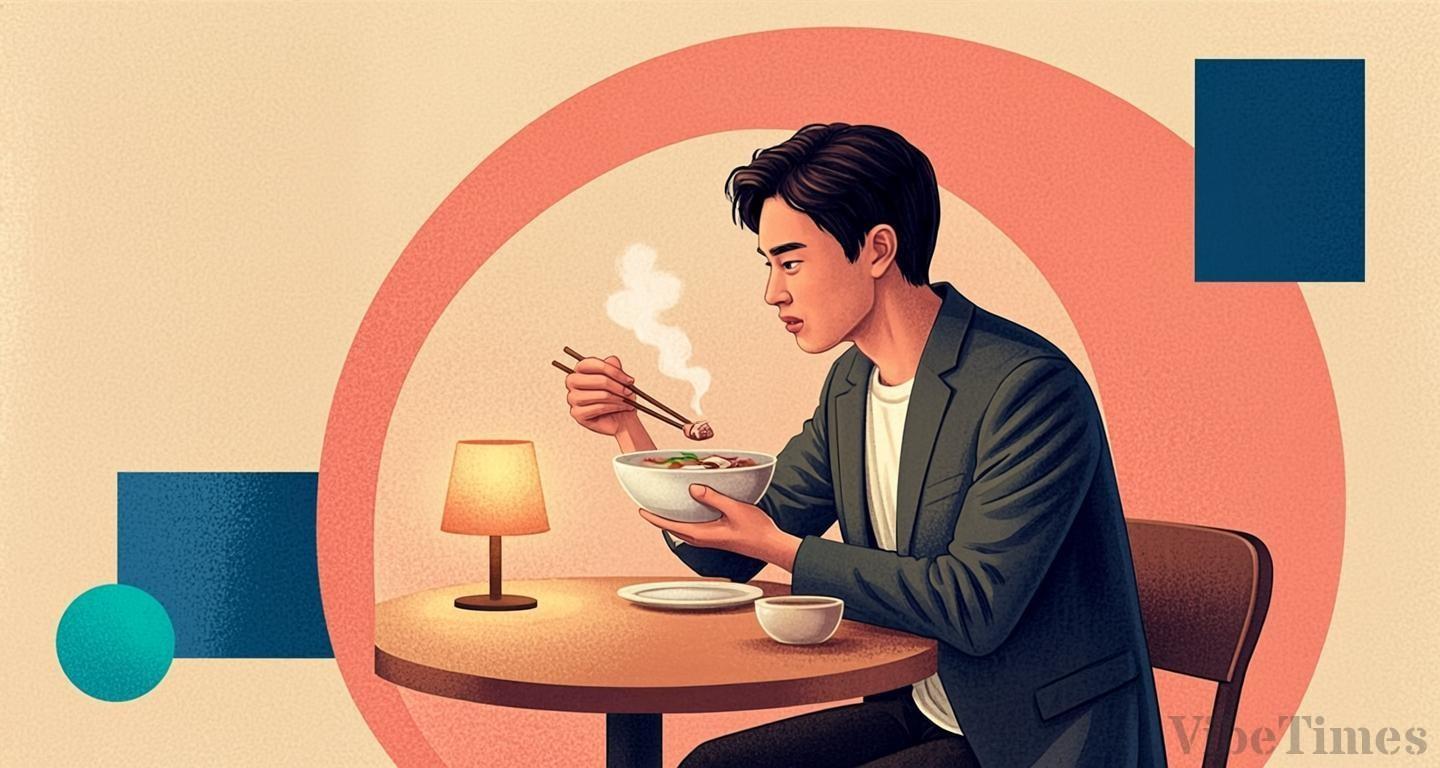
In the era of 7.8 million single-person households, the success of a solo dining experience is determined not by the menu but by the seating.
According to Statistics Korea, single-person households exceeded about 35% of all households in South Korea as of 2023, and the share is projected to surpass 40% by 2050. Eating alone is no longer an unfamiliar custom but has firmly established itself as a lifestyle. Yet some establishments still post notices like "parties of two or more only" or give single diners half-hearted service. Knowing how to pick the right spot ultimately accounts for more than half of solo dining satisfaction.
Structural Changes in the Solo Dining Market: Why Seat Design Has Become a Competitive Edge
7.8 Million Households Reshaping the Dining Landscape
As the share of single-serving takeout, delivery, and dine-in continues to grow in South Korea's restaurant industry, franchise chains are adopting "solo seating" as a formal option. Notable examples include roastery cafes and Japanese-style franchises specializing in udon and ramen. By standardizing counter seats and individual seats, they have given single diners a legitimate reason to be there.
Industry experts note that as contactless culture took root after COVID-19, seating designs that respect personal space emerged as a competitive advantage. Not every establishment has followed this trend, however. Some omakase and course-meal restaurants do not take solo reservations, and hotel buffets often maintain pricing structures based on two or more diners.
Varying Difficulty by Restaurant Type
Ramen, gukbap (soup with rice), and kalguksu (noodle soup) restaurants have the lowest solo-dining difficulty thanks to their counter-centric layouts and high table turnover. Japanese rice-bowl restaurants (donburi) are also effortless, as their single-serving menus are well systematized. By contrast, many hanjeongsik (Korean full-course) and omakase restaurants refuse solo reservations, so checking in advance is essential. At barbecue joints, verify whether solo grilling is allowed; at cafes and brunch spots, check whether they mix in laptop-friendly seating.
Solo-Dining Suitability by Seat Type: Where You Sit Is Half the Battle
Bar/Counter Seats and Partitioned Solo Seats
Bar and counter seats, being single-seat structures, minimize awkwardness and even allow light conversation with the chef — a 5 out of 5 for solo dining suitability. Partitioned solo seats are similar: many come with individual outlets and tablets, making them suitable for longer meals. Keep in mind, however, that single seats are managed separately on waitlist apps, so reservations can be fiercely competitive.
Window Seats Are Second-Best; Avoid Four-Top Tables
Window seats let you pass the time naturally while taking in the view, making them a solid second choice at around 4 out of 5. Four-top tables, on the other hand, are likely to be used for groups and draw too many stares, capping their suitability at 2. Table spacing matters, too — cramped seating turns every movement and trip to the restroom into a source of stress.
The Paradox of Lighting and Noise
Dining consultants recommend places with bright lighting and moderate conversation noise. Completely silent fine dining actually heightens self-consciousness about being alone, adding to the pressure. The industry consensus: bright, moderately busy spaces are more comfortable for dining alone.
Pre-Reservation Checklist: A Three-Step Way to Pick a Winner
Searching Review Keywords and Checking Photos
The first step is searching reviews on Naver Place, Catchtable, and Google Maps with keywords like "solo dining," "one person," and "counter." The real seating and service experiences of actual solo diners are laid bare, letting you judge a place even if the official listing lacks an "solo diners welcome" phrase. Be wary, though, of places with many sponsored blog posts, as their reviews may be scattered across anniversaries, family meals, and other occasions.
One Phone Call and Timing Strategy
The second step is a phone call. A brief question — "Can I dine alone?" — can spare you disappointment on-site. For businesses with per-person minimum order requirements, such as wine bars and izakayas, confirm this at the same time.
The third factor is when you visit. Weekday off-peak hours from 2 to 5 p.m. are quiet, staff are more relaxed, and solo-dining stress diminishes. During the 6-to-8 p.m. dinner rush, single seats are easily claimed first, and hogging a counter seat for a long stretch at peak hours risks breaching etiquette, so it is not recommended. Reservation platforms' filters for solo-dining support and Instagram's #solodining hashtag are also shortcuts to verified, real-user information.
Recommended Combos by Situation: Matching the Venue to Your Purpose
When traveling, choose areas dense with upscale restaurants
As seen in solo trips to Tokyo, sophisticated, calm districts dense with high-end restaurants tend to have many establishments welcoming solo diners. With options ranging from Michelin-starred restaurants to traditional sushi bars and dessert cafes, plus convenient public transit, the burden of dining alone naturally shrinks. Booking accommodation in a food-culture-centric district rather than the middle of a bustling nightlife area raises solo-dining satisfaction across the whole trip.
For everyday solo dining, build your own list
In daily life, prioritize establishments that explicitly offer counter or solo seats. Record your satisfaction after each visit in notes or saved map pins to build your own solo-dining hot list, greatly cutting down the time spent choosing where to eat. One caveat: unlike Hong Kong and elsewhere, South Korea rarely has a table-sharing culture. Rather than squeezing in next to strangers, it is better to choose places with solo seating from the start.
Wrapping Up: The Solo-Dining Formula in a Nutshell
Check for counter and solo seats, verify through review keywords, visit during off-peak hours, and call ahead. These four steps are the entire formula for choosing a solo-dining restaurant. With the right seating structure and proper preparation, eating alone becomes not a "lonely meal" but free, personal time. As South Korea heads toward a 40% single-person household era, the value of this formula is only set to grow.
