How to Eliminate Studio Bathroom Mold and Keep It From Coming Back

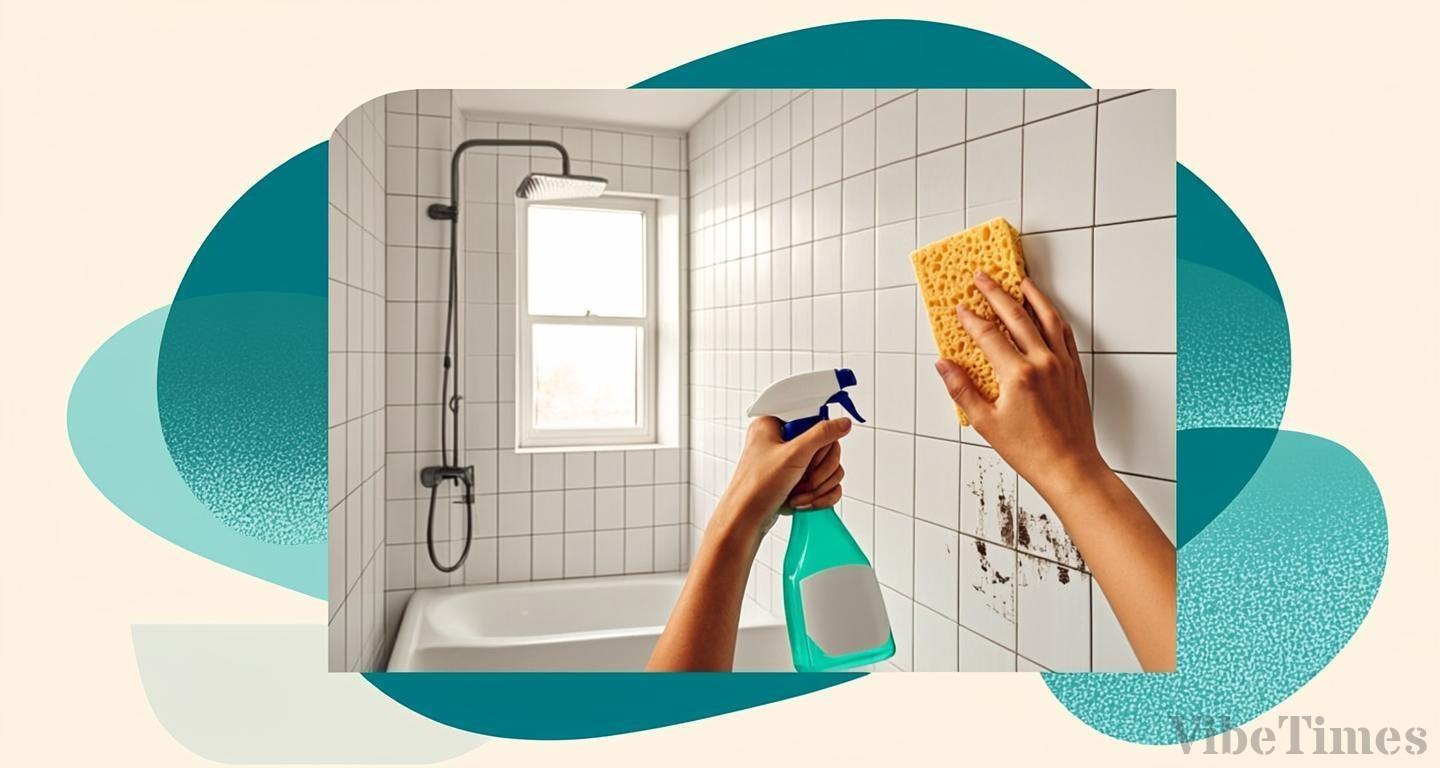
Just 30 seconds of squeegeeing away moisture after a shower can prevent 80% of mold in a studio apartment bathroom.
Most studio bathrooms have no windows, trapping humidity after showers and easily maintaining conditions where mold thrives: humidity above 70% and temperatures of 20–30℃. Add soap scum, sebum, and dead skin as food, and mold grows year-round regardless of season. The problem isn't just unsightly black stains. Mold spores spread through the air, triggering allergies, rhinitis, and asthma—and there have even been reported cases of mold-related pneumonia deaths in Korea. The bottom line: mold results from a multiplication of 'moisture × nutrients × time,' so simply managing moisture properly can prevent 90% of it. That's why prevention, not removal, is the key strategy.
Why Studio Bathrooms Are a Breeding Ground for Mold
The Windowless Trap
Unlike typical apartment bathrooms, studios often lack even a ventilation window. After a shower, steam cannot escape and remains on walls and ceilings as condensation. If the next shower comes before that condensation dries, humidity stays above 70% all day. From mold's perspective, it's the perfect breeding environment with temperature, moisture, and food all in place.
Neglect Turns Into Health Problems
A small black dot in tile grout is merely the tip of fungal hyphae surfacing. Spores have already spread into the air and entered your respiratory system. For renters with asthma or rhinitis in particular, the studio layout—with bedding close to the bathroom—means higher exposure frequency and potentially worsening symptoms. Catching it early benefits both your wallet and your health.
Where Is Your Bathroom at Risk? — A Spot-by-Spot Inspection
Silicone and Ceiling Corners: Prime Black Mold Habitats
The silicone in tile grout, around the toilet, and along bathtub joints easily traps moisture, making them the first places black mold (moisture mold) appears. Ceiling-wall corners also collect rising humidity, showing up as spreading black spots.
Drains, Showerheads, and Blind Spots Under the Sink
Grime and hair in drains feed Serratia bacteria, the cause of slimy odors and pink stains. Mold accumulates as spots on shower hoses and faucets, and if a leak hides under the sink, various molds can multiply together in this concealed zone. If the drain smells especially foul, it's worth checking for leaks under the sink as well.
Removal Methods by Area — Start Today
Walls and Tile: Solved in 30 Minutes With Bleach Packs
Dilute bleach with water at a 1:1 ratio, soak a paper towel in it, place it over the moldy area, and leave for 30 minutes to an hour. Then wipe with water and dry completely to remove surface mold. Since bleach only kills surface fungi, applying a sodium percarbonate- or alcohol-based root-removal mold treatment afterward is highly effective. For hard-to-reach ceiling corners, spray-type removers are convenient.
Silicone Mold: Don't Clean It, Replace It
If black stains won't come off even with bleach, it's a sign mold has penetrated inside the silicone. In that case, try applying a mold-removal gel; if stains remain, the fundamental fix is removing the old silicone with a silicone remover and reapplying anti-mold silicone. DIY costs are cheap, around 5,000 to 10,000 won. If re-caulking is too difficult, applying mold-blocking silicone tape is a temporary alternative.
Drains and Showerheads: Weekly Cleaning
First remove hair and debris from the drain strainer, then sprinkle sodium percarbonate, pour in 50–60℃ hot water, and let sit for 30 minutes. Scrub with a brush and rinse to eliminate odors and grime together. For showerheads, soak in a 1:1 vinegar-water solution for 30 minutes and scrub with a toothbrush—it will even clear clogged nozzles. One critical warning: never mix bleach with acidic products. Doing so produces chlorine gas, which can be lethal. When using removers, turn on the exhaust fan and wear a mask and gloves.
Prevention Routines to Stop Recurrence
The 3-Minute Post-Shower Moisture-Removal Habit
Squeegee water off walls and floors right after showering. It's the highest-value habit there is—30 seconds prevents 80% of mold. Then run the exhaust fan for at least 30 minutes to an hour. If you've attached a studio-sized filter, clean it every three months to maintain efficiency. For completely windowless bathrooms, open the door for cross-ventilation with the room, keep a calcium chloride dehumidifier hanging at all times, and run a small dehumidifier in summer. Briefly running a heater to speed up drying also works.
Reduce Mold Food With Regular Maintenance and Smart Placement
Divide the routine to keep it manageable: daily moisture removal and ventilation; weekly toilet and sink cleaning; monthly drain and silicone mold checks with bleach wipes; quarterly exhaust fan cleaning and silicone inspection. Switch soap dishes and shower items to hanging types that don't pool water, and for bath mats, water-resistant PP material beats absorbent fabric styles. Applying anti-mold coating to treated areas keeps them protected for 3–6 months.
If It's Already Bad — Check for Leaks and Request Repairs
If mold keeps returning despite repeated removal and prevention, suspect a leak. Under a lease agreement, leaks in a rental unit are the landlord's repair responsibility, giving you grounds to request repairs. If mold has spread behind the wallpaper, DIY solutions won't work and professional help is needed, with removal costs ranging from 100,000 to 500,000 won. If moving into a pre-owned studio, check the ceiling, silicone, and under the sink while the unit is still empty, then do a full bleach-pack disinfection right after move-in—your first step toward prevention. Those with respiratory conditions should avoid cleaning mold themselves; have someone else do it or minimize the use of chemical removers for safety.