Ukraine Reports First Use of AI Drones in 'Terminator Mode'

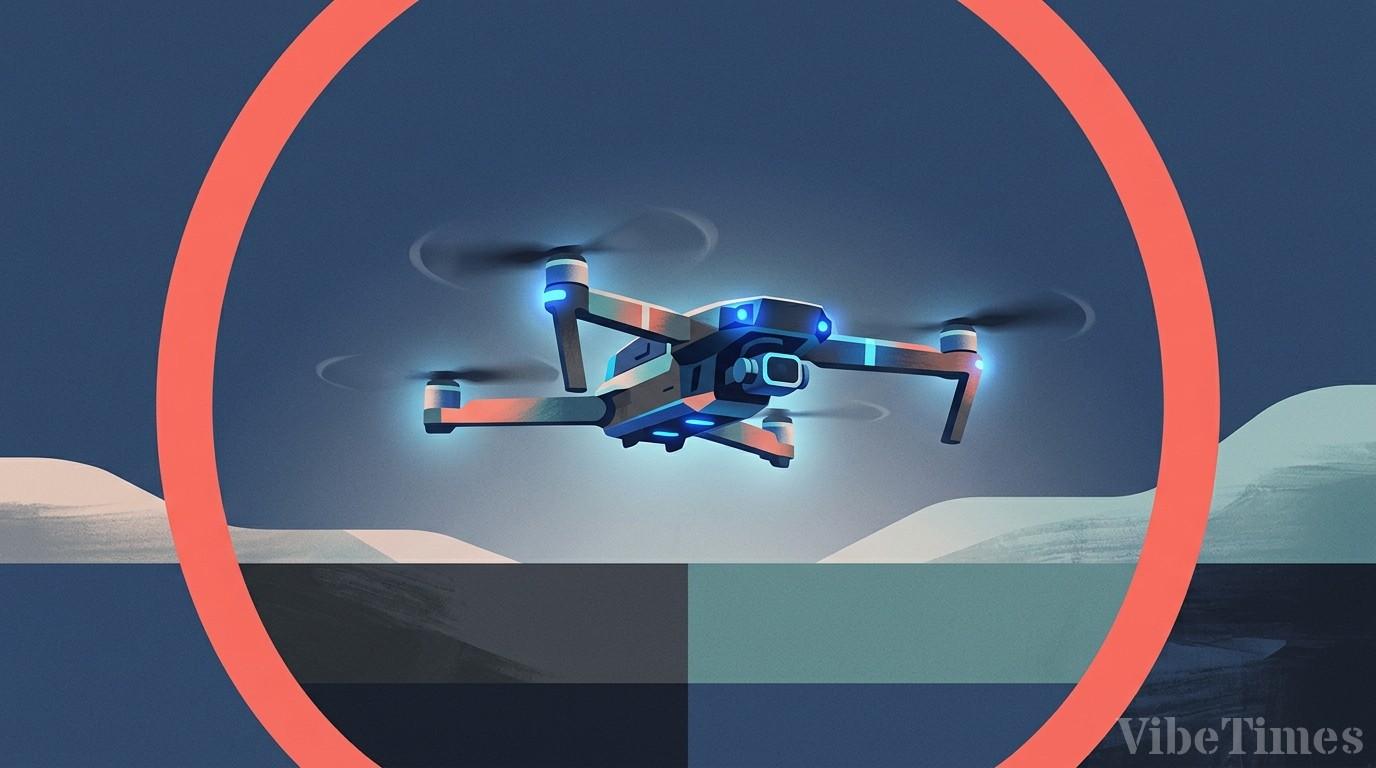
Reports have emerged claiming that drones capable of autonomous attack using artificial intelligence (AI) have carried out missions on the actual battlefield without human intervention. These AI drones are said to have operated in 'Terminator Mode,' allowing them to attack targets without pilot control. There are claims that recently, ten small drones conducted operations on Ukraine's eastern front without pilot commands, even in challenging conditions like jamming.
Ukrainian developer Alexandr Kohanovskyy testified in an interview with New Scientist, stating, "We have actually tested it, and Russian soldiers died." His testimony suggests the lethal capability of AI drones, and if true, it would mark the first instance in warfare where machines directly decided human lives.
Traditionally, war has been an act of humans killing other humans. The soldiers firing guns, the commanders ordering bombings, and the heads of state approving nuclear missile launches have all been human. Military powers have implicitly adhered to the 'Human in the Loop' principle, which states that 'the final attack decision must always be made by a human.' This meant AI could provide or analyze information, but the actual attack order came from a person. However, if it is true that AI made its own decision and pulled the trigger, analysis suggests this human taboo has already been broken.
The war in Ukraine is called a 'drone war,' with drones killing more enemy combatants than artillery shells. Both Russia and Ukraine employ powerful electronic warfare equipment, leading to frequent GPS jamming and communication disruptions. When a pilot loses communication, drones can fall out of human control. Soldiers have long desired drones that can fight autonomously even when communication is lost. AI is presented as the answer to this need. Ukraine has recently enhanced its target identification and autonomous flight capabilities using AI, and military leaders have also mentioned developing systems that can autonomously locate and maneuver towards targets.
More concerning than the act of killing itself is the 'disappearance of responsibility.' If an AI mistakenly identifies civilians as enemy combatants and attacks them, it is unclear who would be held responsible. It is difficult to assign clear accountability among the commander, the developer, the manufacturer, or the algorithm itself. The current international legal framework is ill-equipped to answer these questions. The United Nations has been discussing the regulation of 'killer robots' for years but has failed to reach a concrete conclusion. Technological advancements on the battlefield are evolving faster than discussions in conference rooms.
While the report is based on Kohanovskyy's testimony, flight logs, attack footage, independent investigation results, data on Russian casualties, and third-party verification have not yet been released, necessitating confirmation of its veracity. Military experts remain on high alert, as the possibility of autonomous attack technology for drones becoming a reality is substantial. 'Can AI kill humans?' is no longer a question of the future. The question humanity must now face is, 'Will we hand over that decision-making power to machines?'