Galaxy S20 Won't Power On: Data Recovery Costs

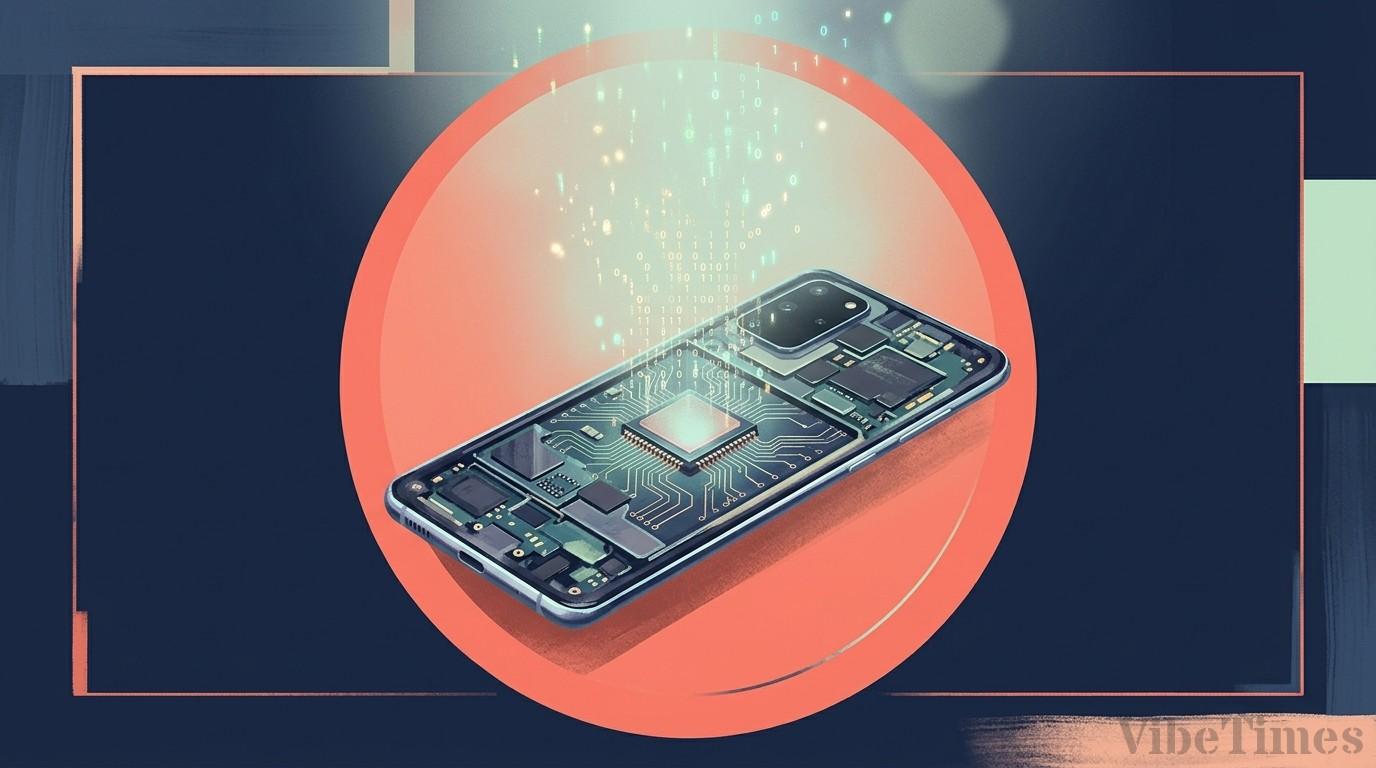
The cost to recover data from a Galaxy S20 that has completely shut down can range from a minimum of 300,000 won to over 2 million won. This is often because the issue is not a simple software error but likely stems from physical damage to the device's core components, such as the motherboard or storage chip itself. The wide variation in costs is due to differences in the cause of the failure, the extent of the damage, and the level of technical expertise required for recovery.
Why is Recovery Difficult When the Device Won't Power On?
Storage Device Soldered Directly to Motherboard
The Galaxy S20 stores data on a NAND flash memory chip called UFS (Universal Flash Storage). This chip is soldered directly onto the motherboard, meaning it cannot simply be removed and connected to another device like a hard drive in a PC. Damage to the motherboard or UFS chip from physical impact, water exposure, or overvoltage can completely block access to data.
If pressing the power button yields no response, it's more likely that core components on the motherboard, specifically the power management IC (PMIC) or circuits around the CPU, are damaged, rather than a simple battery failure. If only the battery were the issue, there would typically be some minimal response, such as an LED lighting up when a charging cable is connected.
Encryption Increases Recovery Difficulty
The latest versions of Android encrypt the entire internal storage by default. Even if data can be physically extracted from the storage chip, decryption is virtually impossible without the user's lock PIN or pattern information. This is why it's crucial to confirm your lock information before requesting data recovery.
Types of Recovery Technologies and Cost Structure
From Chip-off to JTAG: Differences by Method
Recovery techniques used for devices with power failure generally fall into three main categories. The first is the Chip-off method, where the UFS chip is physically removed from the motherboard and connected to a specialized reader to extract data. This method has a high success rate if the chip itself is not severely damaged, but there is a risk of further damaging the chip or surrounding components during the removal process.
The second is the JTAG (Joint Test Action Group) method. This approach communicates with the storage device through test ports on the motherboard, posing a relatively lower risk of damage as the chip is not removed. However, it may not be supported depending on the failure state or device model. The third is the ISP (In-System Programming) method, which involves directly connecting to test points on the chip to extract data. This method offers more direct access to the chip than JTAG but requires precise soldering skills.
Hardware Repair First Affects Cost
Recovery services typically attempt to first repair the motherboard to bring the device to at least a bootable state before attempting data extraction. If successful at this stage, the cost is relatively lower. If repair is unsuccessful, physical extraction techniques like Chip-off or ISP are applied, which significantly increases the cost. High-difficulty tasks include the operational costs of specialized forensic equipment that can run into millions of won.
Estimated Cost Range and Determining Factors
From 300,000 Won to Over 2 Million Won, Damage Extent is Key
The costs quoted by recovery services vary significantly based on the cause of the failure and the level of damage. If logical recovery is possible after partial motherboard repair, it may be resolved for around 300,000 to 700,000 won. Conversely, if direct UFS chip extraction or complex forensic work is required, some companies may charge 1 million to over 2 million won.
Many service providers offer free initial diagnostics. However, it's essential to confirm the fee policy in writing before agreeing to any service, as analysis fees may be charged even if data recovery is deemed impossible after a detailed examination.
Success Rate and Time Required Also Need Consideration
Data recovery cannot guarantee 100% success. Success rate standards and definitions vary among service providers, and some may consider partial data recovery as a successful outcome. The work duration can also range from several days to several weeks, so if you urgently need the data, it's advisable to check beforehand if rapid processing is possible.
Checklist Before Requesting Data Recovery
Self-Attempts are Forbidden; Criteria for Choosing a Professional Service
Arbitrarily disassembling the device or repeatedly attempting to charge a phone with a power failure can cause further damage to the storage. For water-damaged devices, attempting to dry them can accelerate corrosion. The worse the device's condition, the lower the chance of recovery and the higher the cost.
When selecting a service provider, consider their track record with Galaxy series smartphone recovery, the level of equipment used, data security policies, and the transparency of their quoting process. It is also crucial to verify whether payment is contingent upon successful recovery or if it's a prepayment model. The best course of action is to back up recovered data immediately to an external drive or cloud storage.
Prepare Lock Information and Details of Failure in Advance
During consultation, the first questions recovery services will ask are about the device's unlock information (PIN, pattern, password) and the circumstances leading up to the failure. Whether it was dropped, submerged in water, or simply shut off suddenly will influence the diagnostic approach. Detailing the types of data you wish to recover (photos, KakaoTalk chats, contacts, etc.) will help the service provider prioritize the recovery process.
