Latest Trends in Plastic Pollution's Devastation of Marine Ecosystems

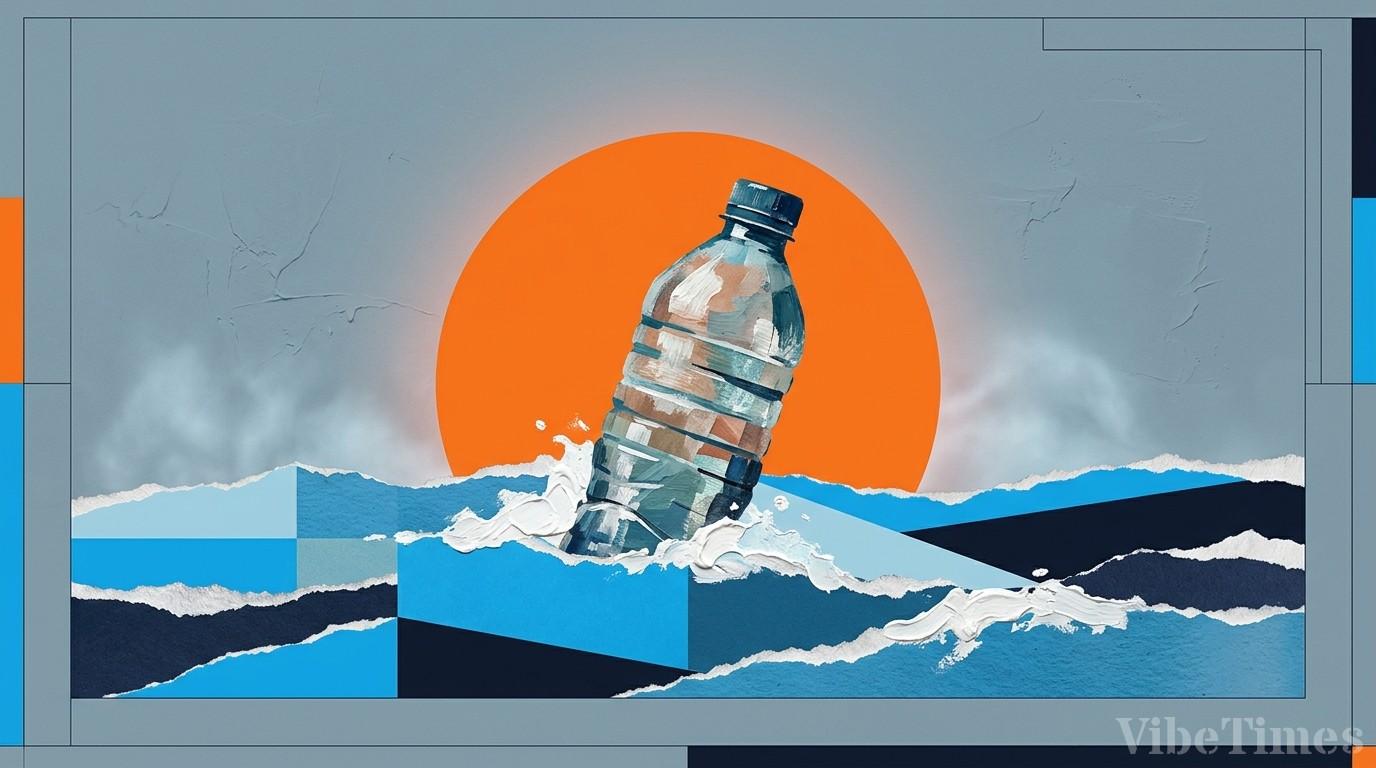
Global Plastic Pollution and the Latest Trends in Marine Ecosystem Destruction
Global pollution caused by the routine use of plastic is uncontrollably destroying marine ecosystems. Latest research is raising alarm bells, highlighting the deep penetration of microplastics and issues of complex toxicity.
Exponential Increase in Plastic Production and the Severity of Marine Inflow
The Dawn of the Plastic Age: A History of Surging Waste Hidden Within Convenience
Since the early 20th century, plastic has become a staple of modern civilization due to its lightness, durability, low cost, and versatility. According to the UN Environment Programme (UNEP), global plastic production has reached approximately 8.5 billion tons since the 1950s, with production particularly surging after 2000, accounting for about 60% of the total. As plastics have become deeply embedded in all aspects of our lives, from packaging and construction to electronics and clothing, the amount of plastic waste discarded after use has also increased exponentially.
The Shadow of Single-Use Plastics: Marine Debris Discarded as the Price of Convenience
Among the rapidly increasing plastic production, the rise in the use of single-use plastic products—such as plastic bags, containers, straws, and cotton swabs—forms the core of the plastic waste problem. These disposable items are quickly turned into waste after a short period of use, and a significant portion ends up flowing into the ocean via rivers through improper disposal or natural leakage. Land-based plastic waste is becoming a primary pathway directly threatening marine ecosystems.
Trend of Increasing Marine Inflow: Predicted to Triple by 2040
A 2015 study published in the journal *Science* estimated that between approximately 4.8 million and 12.7 million tons of plastic entered the ocean annually from land-based sources as of 2010. Recent studies warn that if this trend continues, the amount of plastic flowing into the ocean could triple by 2040. Approximately 80% of marine plastic debris originates from land, flowing into the sea through rivers, streams, and sewage systems. Inadequate waste management systems in developing countries and illegal dumping in densely populated areas are identified as major factors accelerating this inflow.
The Deadly Shadow of Plastic Cast Upon Marine Ecosystems
From Giant Garbage Patches to Invisible Microplastics: The Spectrum of Pollution
Plastic that enters the ocean can form vast garbage patches, such as the Great Pacific Garbage Patch, due to ocean currents. Simultaneously, it breaks down into microplastics (less than 5mm) under the action of waves and ultraviolet rays. These microplastics are found not only on the sea surface but also in deep-sea sediments and within glaciers, and are ingested by all marine organisms, from plankton at the bottom of the food chain to top predators. Scrubbing beads in cosmetics and microfibers released during laundry of synthetic fabrics also act as significant sources of microplastics.
Physical Threats: Entrapment, Suffocation, and Organ Damage to Marine Life
Plastic debris directly harms marine animals. Sea turtles and whales often mistake plastic bags for jellyfish, leading to blocked digestive tracts and starvation, or become entangled in discarded fishing gear and nets, unable to move and suffocating. Furthermore, ingested plastic fragments can cause injuries or inflammation in the digestive organs, hindering nutrient absorption and ultimately threatening survival. Fish, shellfish, and plankton also mistake microplastics for food, leading to digestive blockages or a false sense of fullness, resulting in starvation.
Chemical Threats: Bioaccumulation of Harmful Substances in Plastics and Toxic Effects
Plastics contain various chemical additives (plasticizers, flame retardants, etc.) from their production process and have the property of adsorbing harmful substances (heavy metals, persistent organic pollutants, etc.) from their surroundings when exposed to the marine environment. When marine organisms ingest plastic, the inherent harmful substances within the plastic and the externally adsorbed pollutants are released into their bodies, causing biochemical disturbances. This leads to various toxic effects such as endocrine disruption, weakened immune systems, reduced reproductive capacity, and neurological damage, fundamentally undermining the health of marine ecosystems. Various studies are revealing that harmful chemicals from the ocean surface or additives within plastics can be released and exert toxic effects on marine organisms.
Movement Through the Food Chain and Risks to the Entire Ecosystem
The phenomenon of microplastics and their adsorbed harmful substances moving up the food chain and accumulating in top predators has been observed in a wide range of marine life. Pollutants originating from plankton can affect small fish, then larger fish, marine mammals, and ultimately humans. Additionally, plastic degradation occurs very slowly, and the resulting microparticles have long-term effects on marine ecosystems. The correlation with climate change is also gaining attention; greenhouse gas emissions from plastic production and disposal contribute to climate change, and the sea-level rise caused by climate change can accelerate the inflow of plastic debris into the ocean, a reciprocal relationship being studied.
Seeking Solutions for Marine Ecosystem Restoration and a Sustainable Future
A Multifaceted Approach: A Synergy of Policy, Technology, and Citizen Participation
Solving the global plastic pollution problem requires comprehensive cooperation among governments, corporations, research institutions, and civil society. Governments must enact policies supporting plastic production and consumption regulations, strengthening waste management systems, and expanding recycling infrastructure. Corporations must intensify efforts in developing eco-friendly alternative materials, adopting recyclable designs, and establishing circular economy models that take responsibility from production to disposal. The role of researchers and institutions is crucial in analyzing the impact on specific habitats and risk factors for habitat destruction for effective plans to restore and conserve marine ecosystems. Institutions like the Korea Environmental Industry & Technology Institute support policy proposals and research activities to prevent marine environmental pollution.
Innovative Technologies and Research Trends: Plastic Alternatives, Degradation, and Tracking
Recently, research into bioplastics and biodegradable plastics is actively underway to reduce plastic usage. Research on microorganisms and enzymes that effectively degrade existing plastics is also drawing attention. Technologies for tracking the sources and movement of marine plastic debris, as well as developing ocean cleanup technologies, are considered significant advancements for ecosystem restoration. Globally, research continues to address marine plastic pollution and support marine ecosystems, fisheries, and the utilization of marine resources.
Individual Actions: Small Changes Create a Huge Wave
Small actions in our daily lives can significantly contribute to reducing marine pollution. Reducing the use of single-use plastic products (using tumblers, reusable shopping bags, and containers), practicing proper waste separation, participating in beach cleanups, and purchasing eco-friendly products directly reduce the inflow of plastic waste into the ocean. These individual efforts can collectively lead to changes in social awareness and policy improvements for marine environmental pollution prevention. Reducing marine debris and disposing of waste properly are the most fundamental actions to protect marine ecosystems.