AI Adoption Fuels Surge in Demand for Skilled Workers in Dangerous Operations

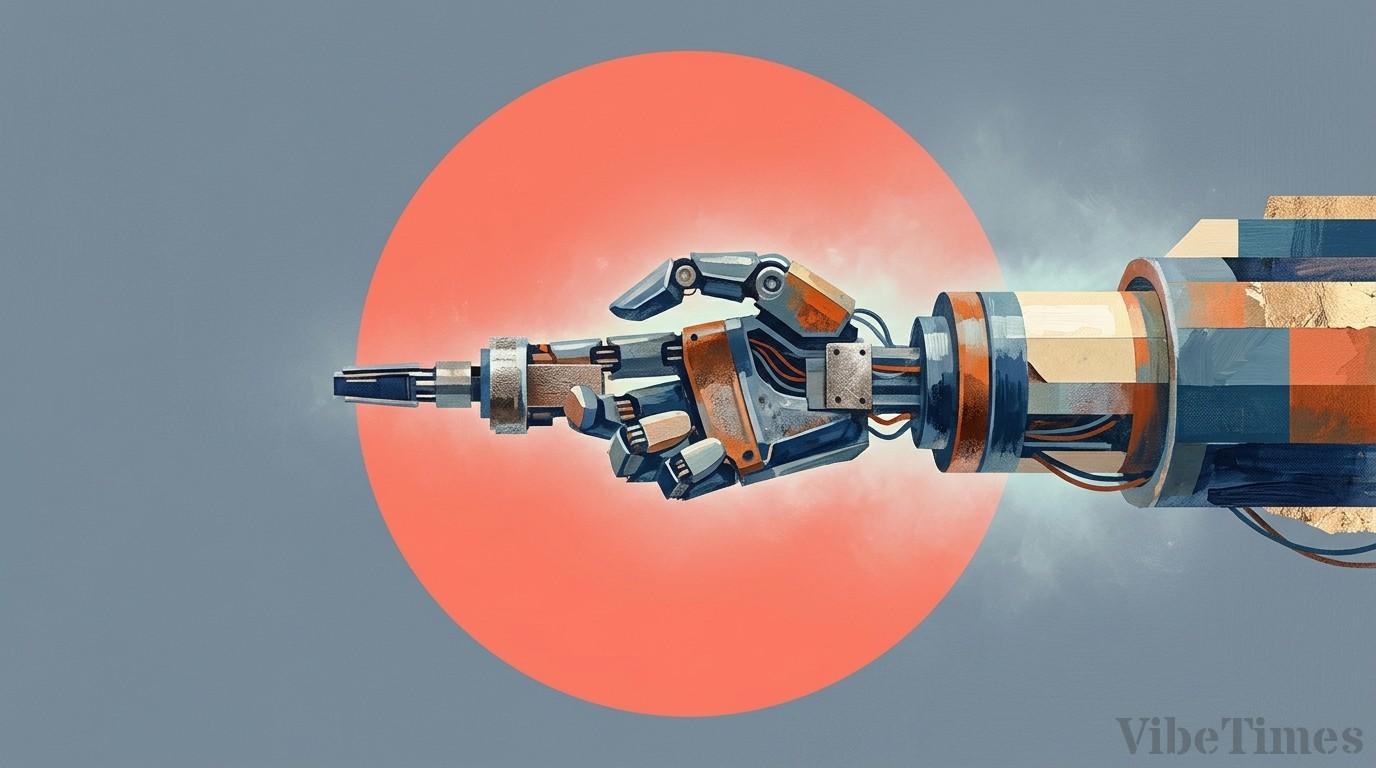
As the adoption of AI (Artificial Intelligence) and automation technologies accelerates, the demand for skilled technical personnel in repetitive or hazardous process fields is sharply increasing. This trend highlights how technological advancements are driving changes in the labor market, particularly contributing to enhanced safety and efficiency on industrial sites. The integration of AI and automation is primarily focused on addressing skilled labor shortages and complementing technologies for hazardous and repetitive processes.
In manufacturing, shipbuilding, and logistics sectors, companies continue to face a structural challenge in securing skilled labor quickly, even amidst rising orders and production volumes. Instead of reducing headcount, businesses are focusing on compensating for labor shortages through technology. Robots and automated facilities are taking over repetitive or high-risk tasks, while human workers are redeployed to roles requiring judgment, such as operating equipment, managing processes, and overseeing quality and safety.
Kim Sung-hee, director of the Korea Institute for Industrial Policy, analyzed that the spread of AI and automation should be viewed not as a job destroyer, but as a shift in the nature of job roles. He added that the ability to utilize AI and on-site judgment capabilities are becoming crucial future job competencies.
The shipbuilding industry, fueled by increasing orders for eco-friendly and high-value vessels, is seeing growing demand for personnel in design, quality, safety, and process management, in addition to production. Manufacturing is enhancing quality control accuracy with AI-based inspection equipment and data analysis systems, while logistics sites are mitigating labor shortages by reducing workloads through robots and automated facilities. AI and robots play a role in compensating for insufficient labor and boosting productivity.
This transformation is also altering the competencies required of job seekers and existing workers. Beyond simply knowing how to use AI tools, there's a need for the ability to understand how to integrate these technologies into one's own job. Job seekers and workers need to prepare by contemplating how to leverage AI and cultivate both AI literacy and inherently human judgment skills.
Companies, too, must go beyond merely introducing equipment and establish systems for re-education and job transition to ensure their on-site personnel can operate it effectively. Small and medium-sized enterprises (SMEs) face burdens regarding initial investment costs and securing maintenance personnel, as those with severe labor shortages have a greater need for automation but limited capacity to implement it. Industry experts suggest that phased support tailored to the characteristics of each sector, alongside education, is necessary.
AI and robots are not intended to completely replace humans but rather to increase productivity and fill operational gaps in areas where human labor is scarce. Therefore, job seekers and workers must consider how to apply AI in their respective roles and prepare by developing both AI literacy and distinctly human judgment.

쿠팡 파트너스 활동의 일환으로 일정 수수료를 제공받습니다