Robots Learn Dexterity Through Prosthetic Hand Touch Data

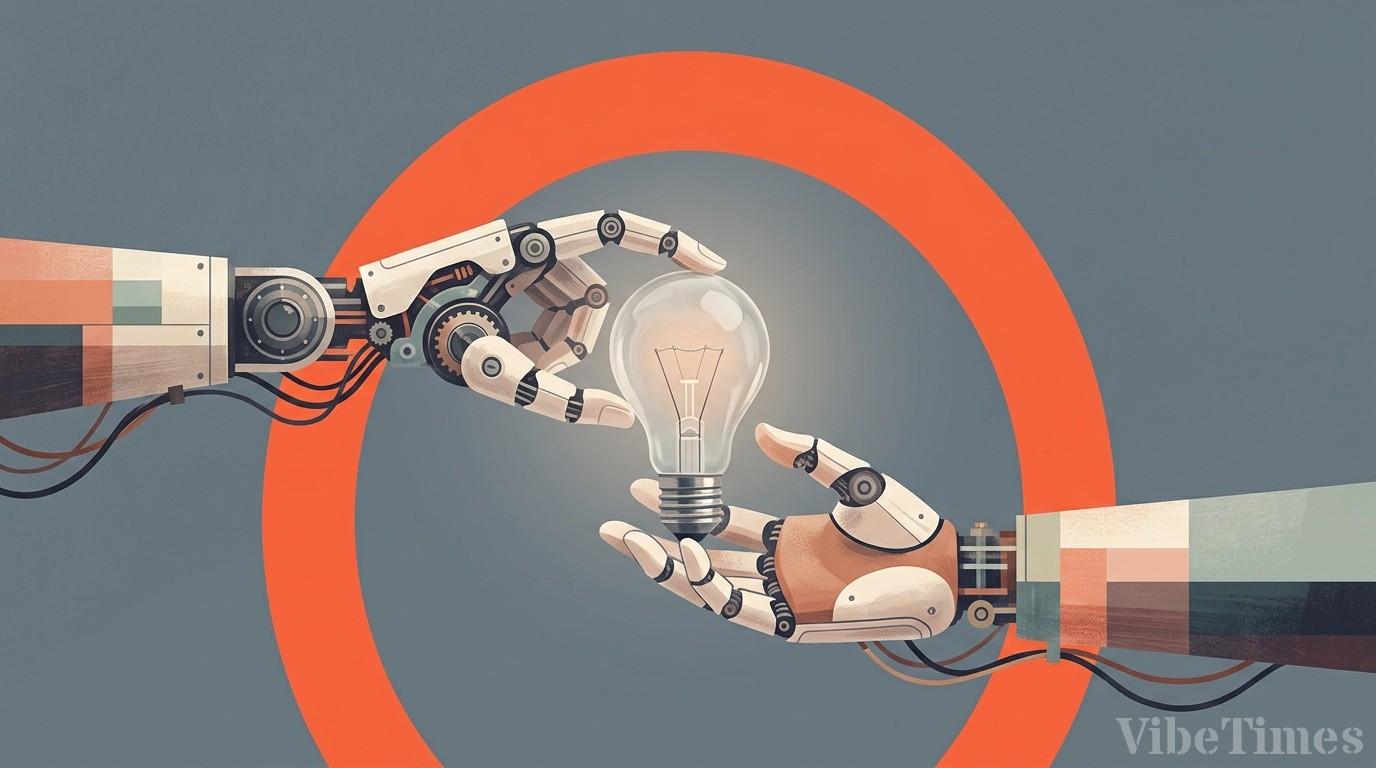
A new technology has been developed that allows robotic arms to handle delicate objects with human-like dexterity. This technology utilizes tactile information gathered from prosthetic hands used by people to train robots, enhancing their manipulation capabilities for objects previously difficult to handle. ABB Robotics and PSYONIC have collaborated to present a technique that trains robots to control and handle delicate objects in a human-like manner by leveraging real touch data.
The core of this collaboration is the 'Ability Hand' prosthesis developed by PSYONIC. This prosthetic hand can capture data on touch, movement, and grip strength experienced by actual users. ABB Robotics is using this human usage data from the 'Ability Hand' to train its 'GoFa' cobots (collaborative robots). The goal of both companies is to train robotic arms to better perform tasks such as grasping delicate objects or controlling pressure, using the experiential data from real prosthetic hand users. PSYONIC's Ability Hand is designed to adapt to objects with irregular shapes.
Marc Segura, President of ABB Robotics' Division, noted that replicating human dexterity in industrial robots is one of the most challenging tasks. He stated that the collaboration with PSYONIC can contribute to bridging the gap between human and robotic dexterity. This technology enables robots in factory and warehouse environments to handle objects with greater precision and in a more human-like fashion. ABB's GoFa cobot plays a role in testing these complex movements in a controlled environment.
Through this collaboration, robotic arms learn based on real human manipulation data and experience automation that applies this learning to practical tasks. This new technology imbues robots with the fine tactile control necessary to handle objects safely, preventing damage or drops. ABB views these capabilities as a key element of its vision for 'Autonomous Versatile Robotics' (AVR), aiming for robots that can precisely sense, infer, move, and manipulate objects in changing environments. Consequently, robots are no longer just machines repeating uniform tasks. By learning to mimic human delicate touch, robots contribute to building future work environments with enhanced productivity and safety, surpassing the limitations of traditional automation.