Retail Sector Balances Domestic Sales and Foreign Tourist Attraction Amid High Exchange Rates and Oil Price Pressures

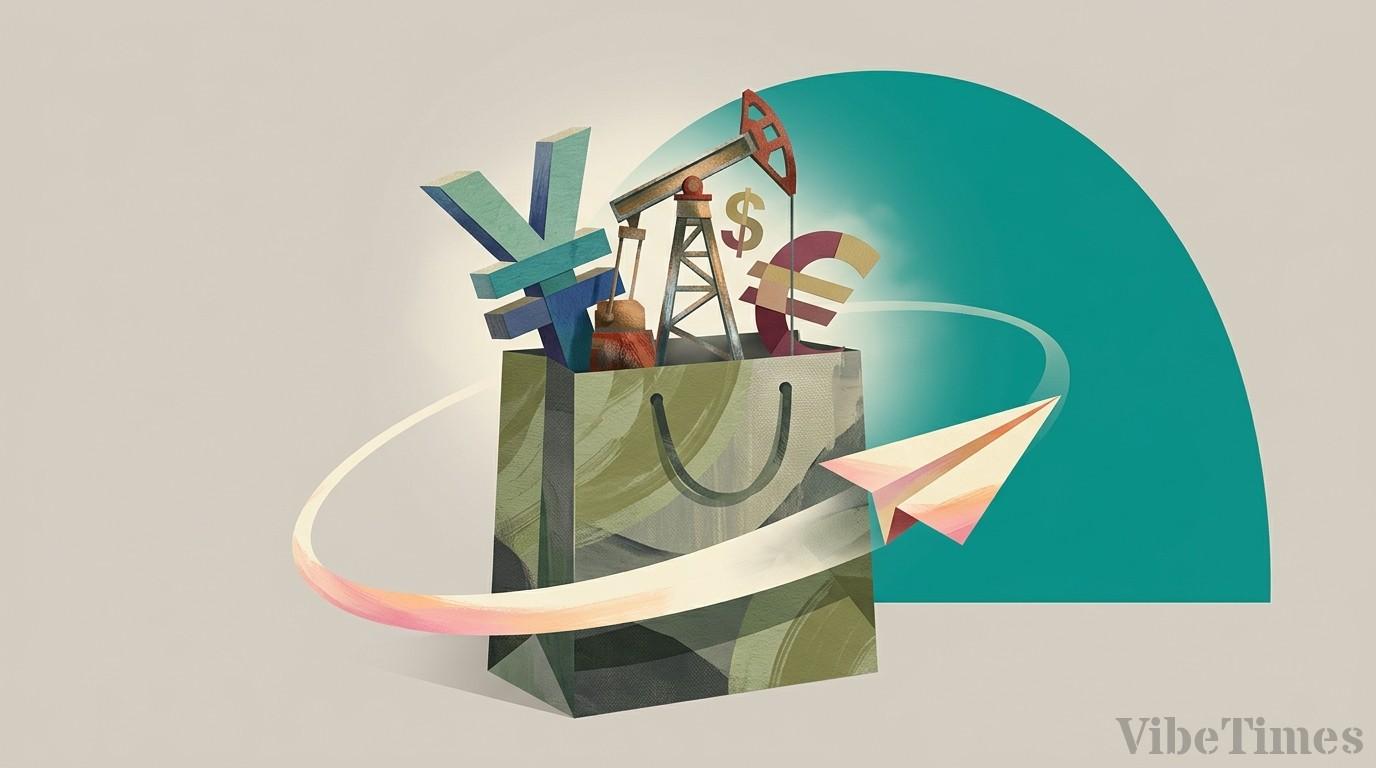
The retail industry, grappling with increased costs due to the depreciation of the Korean won and rising international oil prices, is implementing strategies to retain domestic consumers while simultaneously attracting foreign tourists. Although international oil prices have fallen since early June, cost relief is limited as transit uncertainties in the Strait of Hormuz have reignited due to shipping incidents. The won-dollar exchange rate remains stuck in the 1500s.
The ship attacks in the Strait of Hormuz have rekindled concerns over transit stability for crude oil routes, raising fears of disruptions in oil supply and maritime logistics. Consequently, domestic companies find themselves in a situation where they cannot immediately translate the decrease in oil prices into cost savings.
To ensure that the drop in oil prices is reflected in domestic prices, the government has set the 7th petroleum price cap at 150 won per liter lower than the 6th, adjusting the supply ceiling for gasoline to 1784 won, diesel to 1773 won, and kerosene to 1380 won. However, considering the time required to deplete existing inventories and for price adjustments to filter through various distribution stages, it may take time for consumers to feel the impact of lower prices.
The won-dollar exchange rate continues to hover around the 1500 mark, with the average weekly closing rate from April 1 to June 26 recorded at 1500.1 won. This high exchange rate is increasing the cost of imported raw materials, packaging, overseas logistics, and directly procured goods, pressuring the profitability of the retail, food, and dining industries, and further burdening consumers with higher prices for imported foods and daily necessities.
In June, the KOSPI market saw the activation of the circuit breaker 10 times and the stock trading halt (sidecar) 3 times, indicating instability in the financial markets. The government plans to stabilize consumer prices by injecting 1 trillion won in fiscal support, including freezing public utility charges in the second half of the year and expanding discounts on agricultural, livestock, and fishery products.
The retail industry is strengthening its defensive strategy by focusing on discounts, private brands (PB), and large-sized products to counter the slowdown in domestic consumer sentiment. In May, foreign tourists' card spending in Korea increased by 67.1% compared to the same month last year. A retail industry official noted that while falling oil prices are a positive factor, the persistence of uncertainties in the Strait of Hormuz, high exchange rates, logistics costs, and labor expenses make it difficult for price reductions to immediately translate into a recovery in consumption.