Bank of Korea's Preemptive Rate Hikes Show Limited Impact on Currency Stabilization

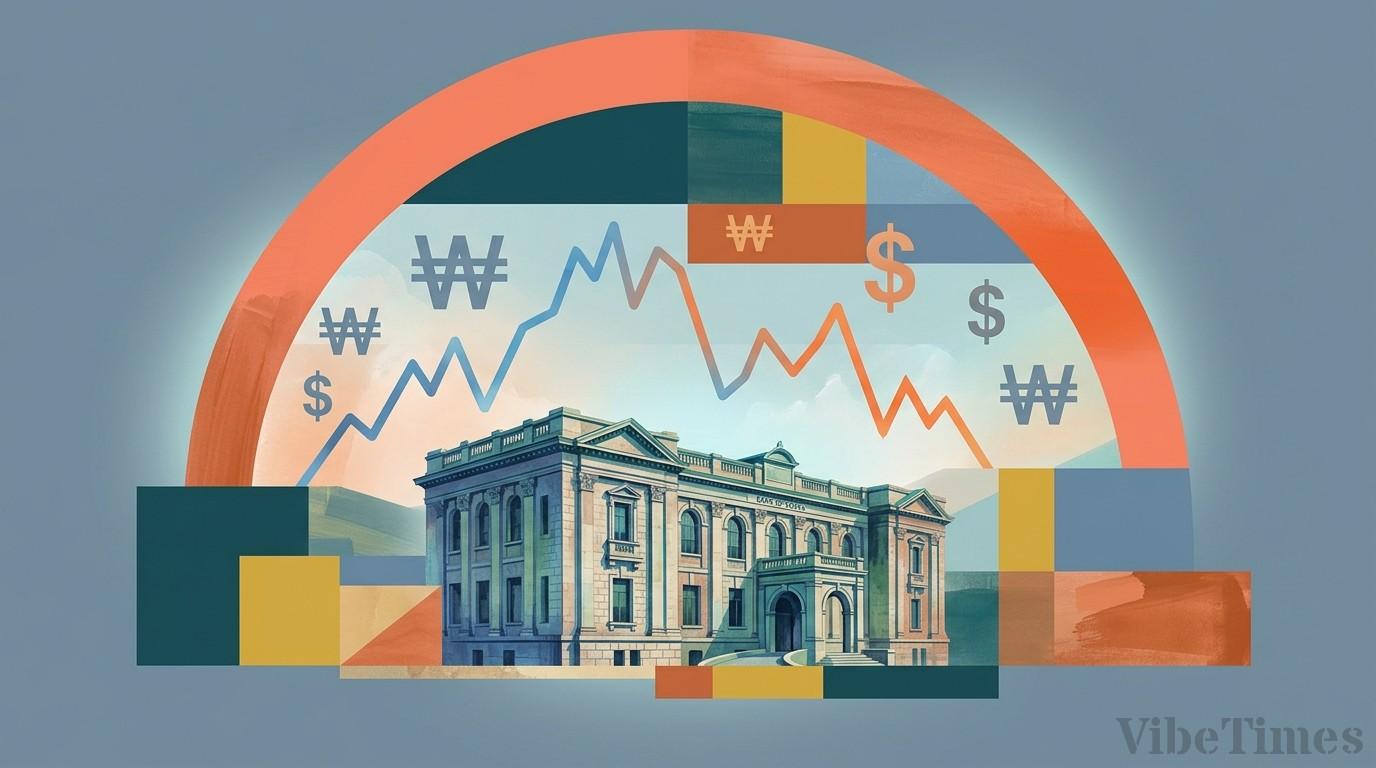
The Bank of Korea has implemented 'preemptive base rate hikes,' raising its policy rate ahead of the U.S. Federal Reserve, on three past occasions. A recent analysis suggests such measures have had a limited effect in curbing sharp currency fluctuations driven by the won's depreciation. The won-dollar exchange rate closed at 1554.9 won per dollar on the 1st, up 5.5 won from the previous session, marking its highest level in approximately 17 years since March 5, 2009, and even threatening to breach 1560 won during intraday trading.
The Bank of Korea previously raised its base rate ahead of the U.S. Fed in 2002, 2010, and 2021. Following the rate hike in May 2002, the exchange rate declined for three months, and it also fell three months after the July 2010 hike. During these periods, the U.S. Fed was either lowering rates or maintaining zero-interest rates and quantitative easing, exerting significant downward pressure on the dollar. In contrast, three months after the preemptive rate hike in August 2021, the exchange rate actually rose. At that time, the Fed held rates steady, but a phase of dollar strengthening had begun due to inflation pressures and expectations of rate hikes. Influenced by the global dollar strength trend, the Bank of Korea's preemptive rate hike proved to be limited in its effect.
Current market conditions may unfold similarly to 2021. With expectations of further rate hikes by the U.S. Fed, downward pressure on the dollar is likely to persist. Against this backdrop, the Bank of Korea's preemptive rate hikes may have a limited impact on currency depreciation. Furthermore, the current inversion of the U.S.-Korea interest rate differential also weakens expectations for currency depreciation. In the past, when the Bank of Korea raised rates before the U.S. in 2002 and 2010, Korea's base rate was more than 2 percentage points higher than the U.S. rate, and even 0.75 percentage points higher in 2021. However, the U.S. policy rate is currently 1.25 percentage points higher than the Bank of Korea's base rate.
Domestic and external conditions are also unfavorable. The weakening Japanese yen exacerbates pressure on the won, and continued net selling by foreign investors in the domestic stock market means dollar demand remains strong. It is unlikely that foreign investors will switch to net buying of stocks in the second half of the year, and the supply-side burden is likely to persist until expectations of U.S. rate hikes subside. It is assessed that these variables, acting in combination, make it difficult for the Bank of Korea's preemptive rate hikes alone to bring down the exchange rate.
When expectations of the U.S. Fed's tightening recede, risk appetite for emerging market currencies may revive, and the burden of securing dollars could decrease. In the past, currency depreciation has often occurred in such phases. Therefore, the U.S. Fed's monetary policy direction could be a key variable for future currency stabilization.