Special Counsel Kwon Indicts Na Kyung-won and Three Others... Charged with Obstruction of Arrest Warrant Execution

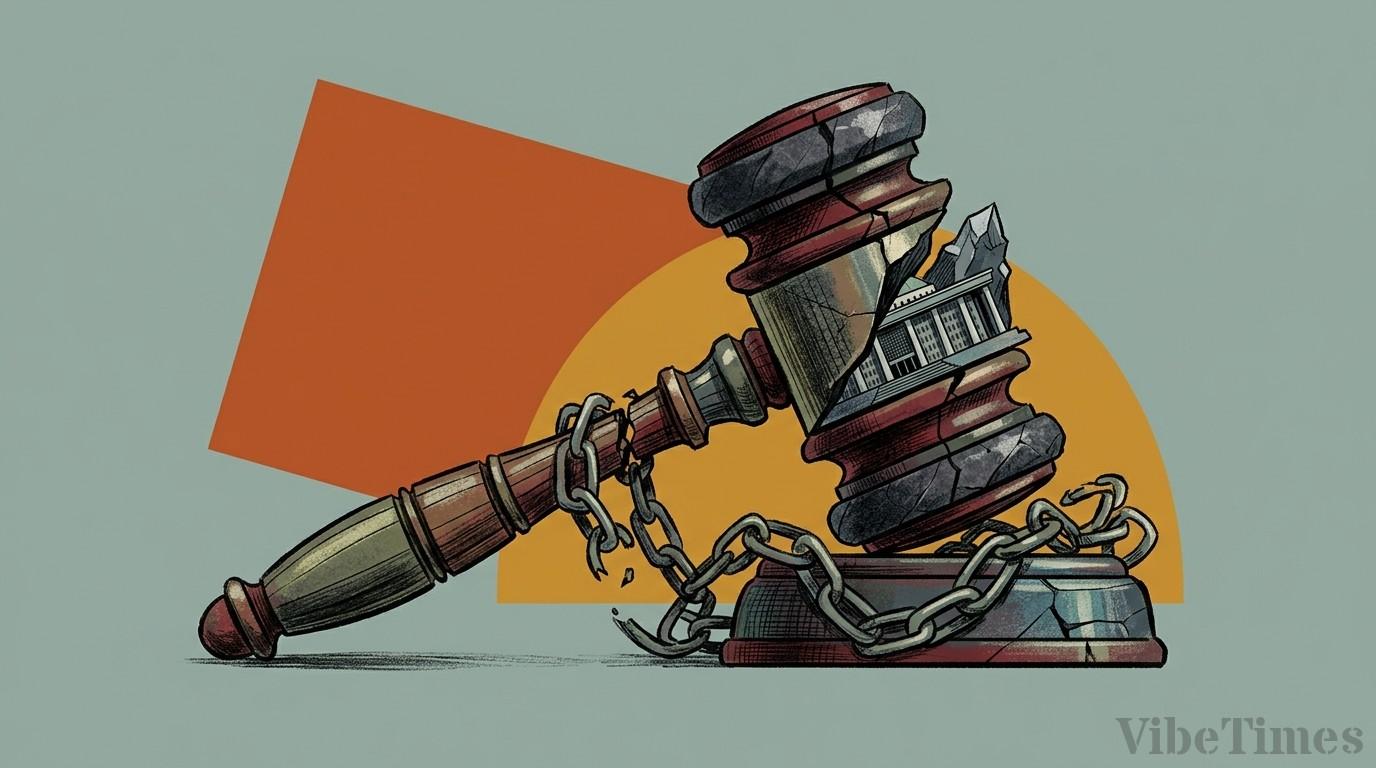
Legal Liability for Ruling Party Heavyweights and Martial Law Figures Faces Judicial Scrutiny
The special counsel investigation team has sent shockwaves through the political landscape by indicting several senior lawmakers from the People Power Party on charges of obstructing the execution of an arrest warrant for former President Yoon Suk Yeol. Special Counsel Kwon Chang-young, leading the second comprehensive special counsel team, announced on the 14th that Representative Na Kyung-won, Kim Gi-hyeon, Yoon Sang-hyun, and Kwon Young-jin had been indicted without detention on charges of obstruction of the exercise of official duties by a special public official. This indictment carries significant weight in both legal and political circles, as it overturns the decision by the Cho Eun-suk insurrection special counsel team, which previously investigated the same matter and dismissed the charges. The special counsel determined that while investigative agencies sought to execute a duly issued warrant, these lawmakers collectively organized to block or hinder the process, thereby undermining the legitimate procedures of the state's judicial administration.
The origins of the incident trace back to investigations into the destruction of constitutional order following the declaration of emergency martial law on December 3 last year. The core issue was whether the lawmakers' actions of forming physical barricades to block the execution of the warrant for former President Yoon constituted justifiable self-defense against illegal exercise of public authority, or clear obstruction of justice. Through an investigation notice, Special Counsel Kwon’s team explicitly stated that the lawmakers’ actions met the criteria for obstruction of special official duties under the Criminal Code and affirmed their intent to hold them legally accountable through trial. This move is interpreted as the prelude to major trials set to intensify next month, and as charges against related individuals continue to mount, legal tensions are rising.
Simultaneously, investigations into military officials implicated in suspicions of insurrection during the December 3 emergency martial law are gaining speed. The comprehensive special counsel team has indicted former Army Ground Operations Command Commander Kang Ho-pil without detention for insurrection participation, strengthening the judicial standards for dealing with collaborators within the military. Furthermore, evidence has been secured showing that heads of public institutions, including former Korea Coast Guard Commissioner Kim Jong-wook, utilized programming and transmission authority at public broadcasters during the martial law declaration to control news bulletins and tickers. The scope of the indictment is expanding in all directions. Analysts predict these investigation results will serve as an opportunity to reaffirm the neutrality obligations and legal limits required of public officials during national crises.
Democratic Party's Legislative Offensive and Analysis of the Effectiveness of the 5·18 Denial Prevention Act
The Democratic Party has raised the level of its legislative response by proposing the so-called "Lee Jin-sook Prevention Act," aimed at severely punishing public officials who distort history. The bill includes strong disciplinary measures, allowing for the suspension of duties for up to one year for public officials who make remarks denigrating or distorting the May 18 Democratization Movement. This is interpreted as a move to preemptively block social conflict caused by biased historical views espoused by leaders of public broadcasters or government agencies. Experts foresee intense debate, balancing positive assessments of the bill as a mechanism to uphold constitutional values against concerns that it may suppress freedom of expression.
Internally, political circles are locked in a tight clash between criticisms that the bill targets specific individuals (targeted legislation) and claims that it is a necessary measure to protect the foundations of democracy. The People Power Party is strongly opposing the special counsel’s indictment and the opposition party's legislative attempts, characterizing them as an abuse of prosecution powers for political retaliation and political suppression. In particular, Rep. Na Kyung-won and Rep. Kim Gi-hyeon have expressed their stance to uphold the truth in court, labeling the indictment as the "rampage of a zombie special counsel." Conversely, the opposition bloc, including the Rebuilding Korea Party, is once again emphasizing the necessity of judicial reform and the passage of the "Cpl. Jeon Special Counsel Bill," raising their voices to solidify the National Assembly’s role as the supreme institution for safeguarding the Constitution.
This legislative movement is interpreted as an attempt to codify ethical guidelines for public office appointment standards and duty performance, going beyond simple disciplinary actions. In particular, it is being evaluated as a strategic choice by the opposition to secure initiative in the political landscape, as it is being handled alongside livelihood bills such as policies for youth suffering from student loan repayment after graduation and support for North Korean defectors. According to National Assembly officials, the prevailing analysis is that preventing historical distortion by public officials from the perspective of constitutional safeguarding is viewed as an act that shakes national identity, and establishing institutional mechanisms for this is a demand of the times.
Recommendation of NEC Special Counsel Candidates and Outlook for Future Judicial Procedures
The appointment process for a special prosecutor to investigate the ballot shortage during the June 3 local elections and suspicions of infringing on citizens' voting rights has reached its final stage. The National Election Commission (NEC) Special Counsel Recommendation Committee held its second meeting on the 14th and recommended former Seoul Southern District Prosecutors' Office Criminal Division 4 Chief Lee Tae-han and former Seoul High Prosecutors' Office Prosecutor Lee Hyuk as final candidates. The appointing authority must appoint one of them as special counsel within three days, after which a full investigation team will be formed. This is expected to serve as a crucial milestone in determining whether the election management failures went beyond simple administrative errors and involved organized intent.
Both individuals recommended as special counsel candidates are considered veterans with proven investigative capabilities within the prosecution. Attorney Lee Tae-han is noted for his extensive practical experience in the criminal division, while Attorney Lee Hyuk is praised for his strength in legal interpretation based on his experience at the high prosecutors' office. Regardless of who is appointed, a high-intensity investigation into the NEC's overall voting management system appears inevitable. Depending on the investigation results, a massive overhaul of the election management system may follow. As this issue is directly linked to the credibility of future elections, attention is focused from both the market and society at large.
As judicial procedures begin in earnest, the first public trials for the indicted lawmakers and military officials are scheduled to continue starting next month. Legal observers view this trial as a historic precedent that will establish the judicial standard for actions taken under emergency martial law. particularly for the charge of obstruction of special official duties, whether the group utilized "force by a multitude" and whether the public official's duties were lawful will be the key factors determining guilt or innocence. How the People Power Party's frame of political suppression clashes with the special counsel's frame of realizing judicial justice in court will be a major variable deciding the future direction of the political landscape.
In summary, the special counsel's indictment and the opposition party's legislative drive represent a series of processes aimed at legally resolving the unfortunate events in Korean political history. Depending on the trial results of the indicted lawmakers, the power dynamics within the ruling party are likely to be reshaped, and the NEC special counsel investigation results will influence public trust in the election system, a core component of democracy. Additionally, legislation related to May 18 is expected to hold symbolic significance in converting social consensus on historical facts into legal obligations. It is virtually certain that this series of judicial and legislative procedures will establish themselves as core agendas permeating the Korean political landscape for the next several months.