Lee Jun-seok Proposes Bill to Confiscate Criminal Proceeds from Malicious Online Creators

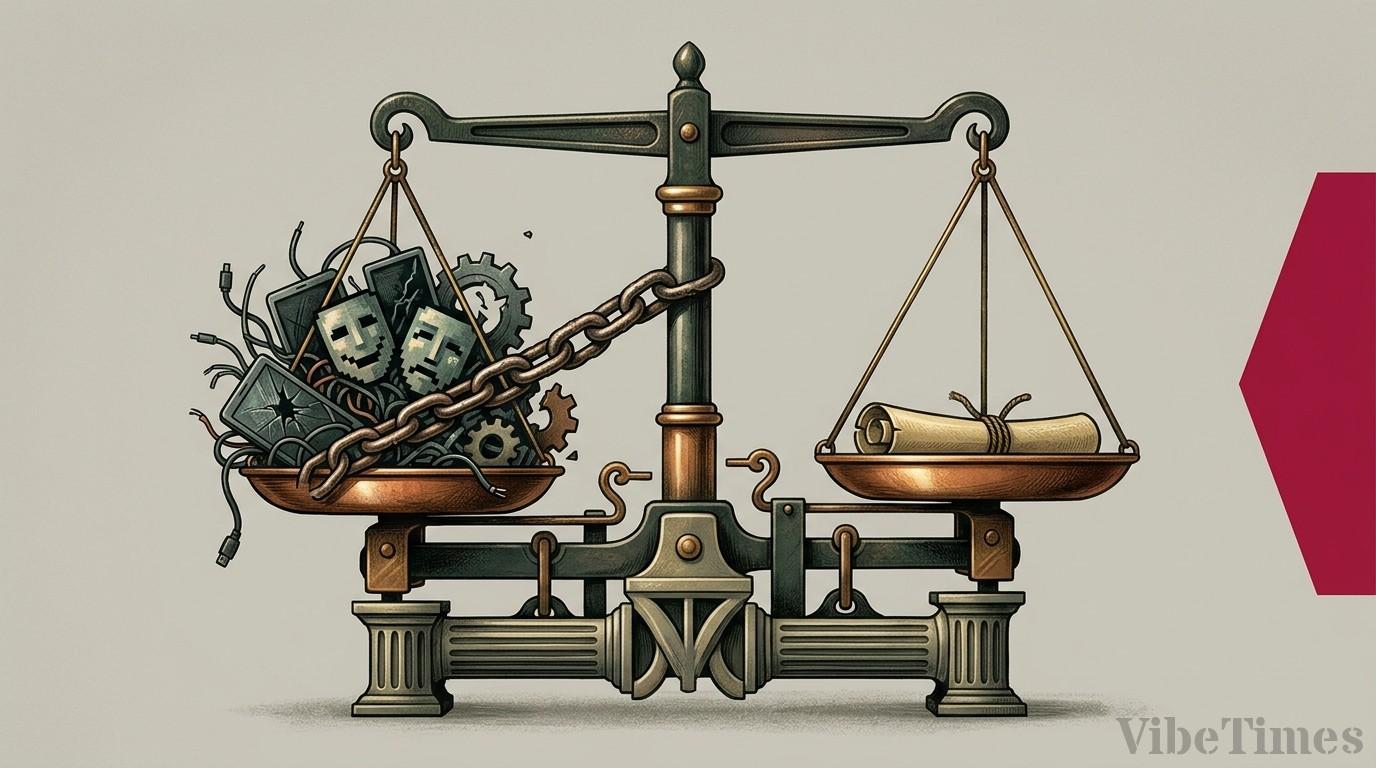
Bill Proposed to Block Criminal Profits of Malicious YouTubers 'Cyber-rekkas'… Attempt to Recover Profits Beyond Criminal Penalties
Lee Jun-seok, leader of the New Reform Party, has introduced a bill to confiscate and block the criminal proceeds obtained by so-called 'cyber-rekkas'—individuals who spread false information and engage in defamation online. The core objective of the bill is to prevent the recurrence of similar crimes by recovering the criminal proceeds themselves, addressing the criticism that current criminal penalties alone are insufficient to curb substantial harm. This legislative proposal highlights the growing severity of cybercrime and the need for effective punishment and preventative measures.
'Cyber-rekka' crimes, which have caused significant social disruption in recent years, have evolved beyond simple defamation or insult to include invasion of privacy and the acquisition of substantial financial gains. These creators specifically produce and distribute malicious videos targeting celebrities and ordinary citizens, accumulating considerable wealth through advertising revenue and donations on online platforms like YouTube. The persistent criticism has been that criminal penalties, primarily imprisonment or fines, are ineffective relative to the scale of criminal profits. The concern that criminals might continue their illicit activities using ill-gotten assets after serving their sentences is becoming a reality.
The amendment to the Act on Promotion of Information and Communications Network Utilization and Information Protection, proposed by Representative Lee, focuses on establishing new provisions for 'criminal profit confiscation.' The amendment includes measures to confiscate financial gains derived from cybercrimes and to pursue their recovery even if they have been consumed or transferred to third parties. This seeks to complement existing criminal law provisions on asset forfeiture, which are often difficult to apply to complex profit structures, such as those from online platform monetization. If passed, cyber-rekkas would face the burden of returning their illicit gains to society, beyond mere punishment. This is expected to serve as a strong warning to potential offenders and weaken the motivation for committing such crimes.
Key Contents and Ripple Effects of the Bill
The specific details of the amendment aim to establish legal grounds for defining profits generated from 'profit-driven' cybercrimes as 'criminal proceeds' and for their confiscation and recovery. 'Profit-driven' here can be interpreted broadly to encompass all activities that generate direct or indirect financial benefits through online platforms, such as YouTube ad revenue, membership support, merchandise sales, and crowdfunding. Furthermore, the amendment prioritizes ensuring that criminals cannot retain their unjust enrichment by stipulating that if the identified criminal proceeds cannot be confiscated, their value will be pursued. This ensures that criminals are effectively deprived of their ill-gotten gains.
The passage of this bill is expected to elevate the level of legal sanctions against cybercrime. It addresses the paradoxical situation where criminals seemingly profit even while serving time, due to the lack of effective confiscation measures. For instance, a malicious YouTuber who amassed hundreds of millions of won in criminal proceeds might receive a one-year prison sentence, but without confiscation provisions, they would retain those earnings. However, with the amendment in effect, these profits would be forfeited to the state or used for victim compensation, significantly reducing the incentive for crime. This offers tangible recourse for individuals and groups suffering from defamation, privacy invasion, and the spread of false information online.
Furthermore, such legislation could positively impact the overall online content ecosystem, fostering a healthier content creation environment and potentially reducing societal costs associated with the spread of malicious information. Naturally, detailed discussions may be necessary during the actual enforcement process regarding the scope of 'profit-driven' activities and precise methods for calculating criminal proceeds. Nevertheless, this legislative attempt to thoroughly recover criminal profits is expected to heighten awareness of illegal online activities and serve as an opportunity to establish a more responsible content production and consumption culture.
Debate and Future Prospects
Reactions from various segments of society to the bill proposed by Representative Lee Jun-seok for the confiscation of 'cyber-rekka' criminal proceeds have been largely positive. In particular, individuals and organizations who have been victims of such crimes have expressed their welcoming sentiments. Those who have endured severe psychological and economic suffering due to the actions of malicious YouTubers hope that by recovering criminal proceeds, perpetrators will be held clearly accountable, and victims will receive at least some form of compensation.
On the other hand, cautious opinions have been raised regarding the specific scope of application and enforcement processes of the bill. Some express concern that if the definition of 'profit-driven' is ambiguous, legitimate content creators might be mistakenly identified as potential criminals. In response, it is suggested that thorough societal discussion during the legislative process is crucial to refine the legal provisions to ensure effective recovery of criminal proceeds without infringing upon freedom of expression. Additionally, simplification of administrative procedures that may arise during the process of pursuing criminal proceeds needs to be considered. While no significant differences in stance between the ruling and opposition parties have been revealed thus far, further opinion gathering and coordination are anticipated during the bill's review process.
The bill is expected to proceed through review by the relevant parliamentary standing committees (primarily the Science, ICT, Broadcasting, and Communications Committee or the Legislation and Judiciary Committee) before a vote in the plenary session. Considering the current parliamentary landscape, the timing of the bill's passage remains fluid. However, given the societal consensus on the seriousness of cybercrime and the strong demand for effective countermeasures, the possibility of the bill's passage is considered significant. In particular, by taking substantial action through criminal profit recovery beyond the limits of criminal penalties, this bill could set an important precedent for future online crime response policies. In-depth discussions are anticipated during the legislative process to enhance the bill's effectiveness and rationality, and attention will be paid to whether it can evolve into a more comprehensive piece of legislation.