Prosecutor Kwon subpoenas former President Yoon; National Assembly braces for legislative battle over 'Pet Act' and real estate regulations

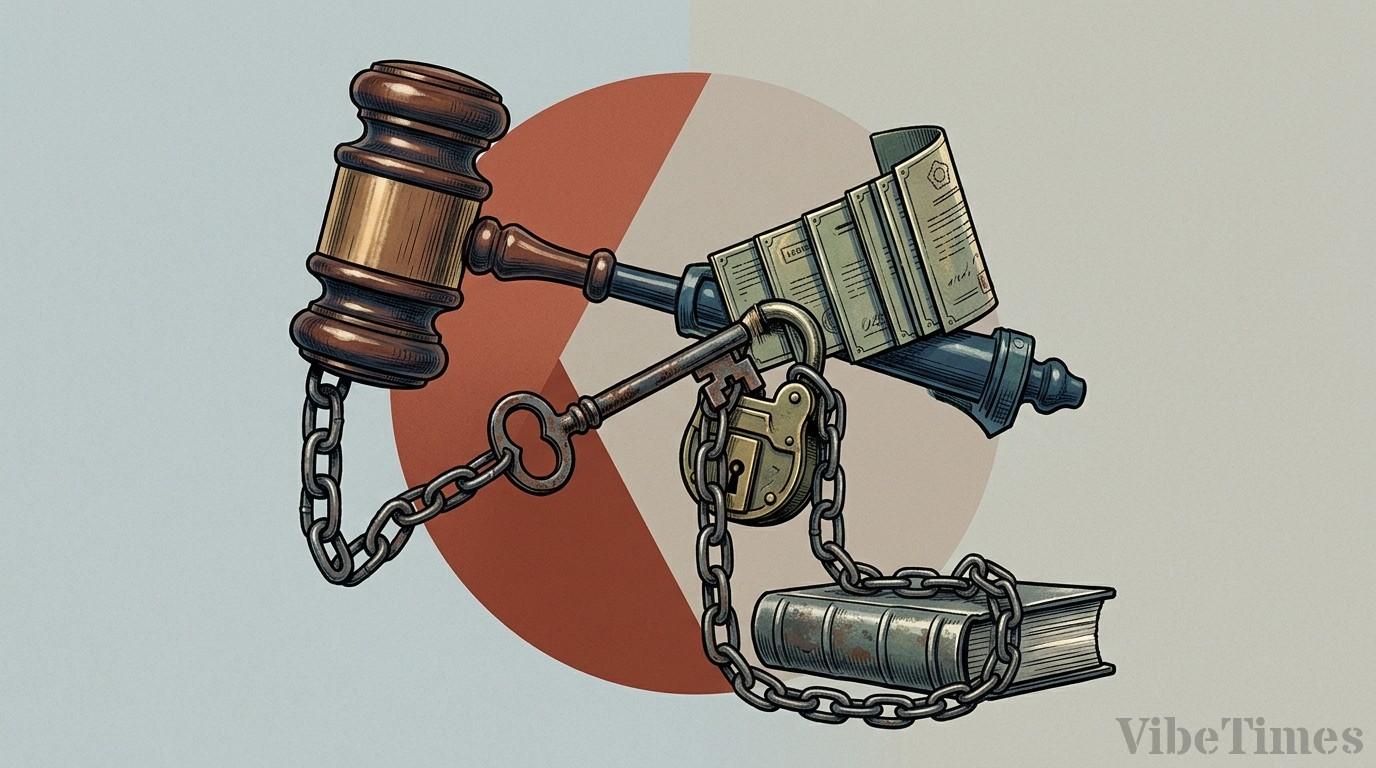
Legislative Warfare at the Start of the Extraordinary Session and a Turning Point for Real Estate and Labor Markets
The National Assembly of the Republic of Korea convened a plenary session on August 20, 2026, moving to process the first bills of the extraordinary session. The core focal points of this session are the child care support bill, colloquially known as the "Pet Act," and various regulatory bills aimed at stabilizing the real estate market. While the ruling and opposition parties agree on the overarching premise of processing livelihood bills, they remain locked in a tense standoff regarding tax benefits for real estate and the scope of deregulation. In particular, real estate legislation is complicated by the conflicting interests of market participants, against the backdrop of recently renewed price volatility centered on the metropolitan area. If a consensus on real estate bills is not reached during this plenary session, uncertainty in the housing market—ahead of the peak autumn moving season—is likely to be significantly amplified.
In terms of the labor market, the passage of the Pet Act, which centers on extending parental leave and expanding flexible work arrangements, is expected to directly impact corporate hiring and personnel strategies for the second half of the year. The industry community is urging the development of supplementary measures, citing concerns about manpower gaps in small and medium-sized enterprises (SMEs) should the bill pass. Conversely, labor unions are demanding prompt legislation, arguing it is an essential measure for balancing work and family. According to recent employment trend data from Statistics Korea, users of reduced working hours for childcare increased by more than 15% year-on-year. The key focus of this session is how quickly the legal system can accommodate this evident social demand.
Judicial Risks and Political-Economic Uncertainty Stemming from the Special Counsel Era
The confusion in the legislative process is intertwining with judicial issues, further complicating the political landscape. Kwon Chang-yeong, the special prosecutor leading the second independent counsel, announced on the 14th that he had non-detained indicted People Power Party Reps. Kim Ki-hyun, Na Kyung-won, Yoon Sang-hyun, and Kwon Young-jin on charges of obstructing the execution of an arrest warrant for former President Yoon Suk-yeol. This decision overturns the dismissal previously made by the special counsel on insurrection charges, drawing strong backlash from within the ruling party, which characterizes it as political oppression. Legal and political circles have raised concerns that this indictment could completely dismantle the structure of cooperation between the ruling and opposition parties in the National Assembly. The indicted lawmakers have claimed the investigation is a retaliatory measure lacking legal basis and have announced they will respond in court.
Meanwhile, the countdown has begun for the introduction of a special prosecutor into the National Election Commission regarding the ballot paper shortage during the June 3 local elections. The NEC Special Counsel Recommendation Committee, during its second meeting on the 14th, recommended former Seoul Southern District Prosecutors’ Office Senior Criminal Division Chief Lee Tae-han and former Seoul High Prosecutors’ Office Prosecutor Lee Hyuk as final candidates. The President must appoint one of them as special counsel within three days of the recommendation, with a massive investigation team expected to be formed immediately upon appointment. This special counsel investigation is expected to focus on determining whether the failures in election administration were simple operational negligence or the result of organized illicit interference. This climate of special counsel investigations is serving as a key variable that disperses the National Assembly's legislative energy and delays the processing of major economic bills.
Overhaul of Small Merchant Support System and Analysis of Digital Transition Policy Effectiveness
Among economic agendas, legislative moves to strengthen fairness in the small merchant ecosystem are taking shape. The amendment to the Small Merchant Act, proposed by Rep. Oh Se-hee, aims to block so-called "fake small merchants." Following the exposure of practices where businesses artificially split operations to receive government subsidies despite generating billions of won in revenue, the amendment seeks to restructure the criteria for support eligibility based on sales scale and actual management form. According to data from the Ministry of SMEs and Startups, cases of fraudulent benefits detected over the past three years have been on an annual rise. If this bill passes, budget execution efficiency is expected to improve by more than 20%. Measures to democratize the operation of the Federation of Small and Medium Business and strengthen its representation are also expected to serve as an opportunity to enhance organizational transparency.
In terms of future industry policy, digital transition policies centered on the Rebuilding Korea Party are at the center of discussion. Rep. Kim Tae-wook continues to emphasize the "Korean New Deal" and the construction of a digital platform government, which have been pushed since the 21st National Assembly, proposing a comprehensive digitalization of administrative services. Notably, the legislation of the "Yellow Card" system, designed to simultaneously protect student rights and teaching authority, aims to establish order in educational settings. Rep. No Jae-hyun criticized the Yoon Suk-yeol administration's education policy for failing to sufficiently reflect the voices of the field, emphasizing legislative support for the realization of a democratic educational community. These policy proposals are analyzed to go beyond simple ideological debates and present new guidelines for the education service industry and the IT solution market.
Implications for Future Legislative Procedures and Market Outlooks
Following the plenary session on August 20, the National Assembly will enter the full schedule of the budget session and the regular National Assembly. The regular session, beginning in September, is expected to see a series of follow-up legislation based on the results of the special counsel investigations, alongside the review of the government's budget for the coming year. Financial market experts warn that intensifying political conflict could hinder the continuity of macroeconomic policies. In a situation of high volatility in exchange rates and interest rates, a legislative vacuum in the National Assembly could negatively impact external credibility. While the People Power Party has maintained a cautious stance, stating they will respond while observing judicial procedures such as recounts following the special counsel appointment, the opposition, including the Democratic Party, plans to continue a tough struggle against the government, spearheaded by bills like the "Anti-Jin-sook Law."
From an investor's perspective, it is crucial to monitor the trajectory of the construction sector depending on the passage of real estate bills, and the potential benefits for the software industry arising from digital transition policies. One must also keep in mind the potential structural changes in the domestic consumer market resulting from the overhaul of the small merchant support system. As the decisions of the legislature have emerged as a key variable determining capital flows, a strategy of carefully scrutinizing the details and implementation timing of policies is necessary. The legislative activities of the National Assembly over the coming month are expected to serve as a major test that will gauge the direction of the Korean economy in the latter half of 2026.
