Surging US AI Power Demand Threatens Korean Manufacturing Investment

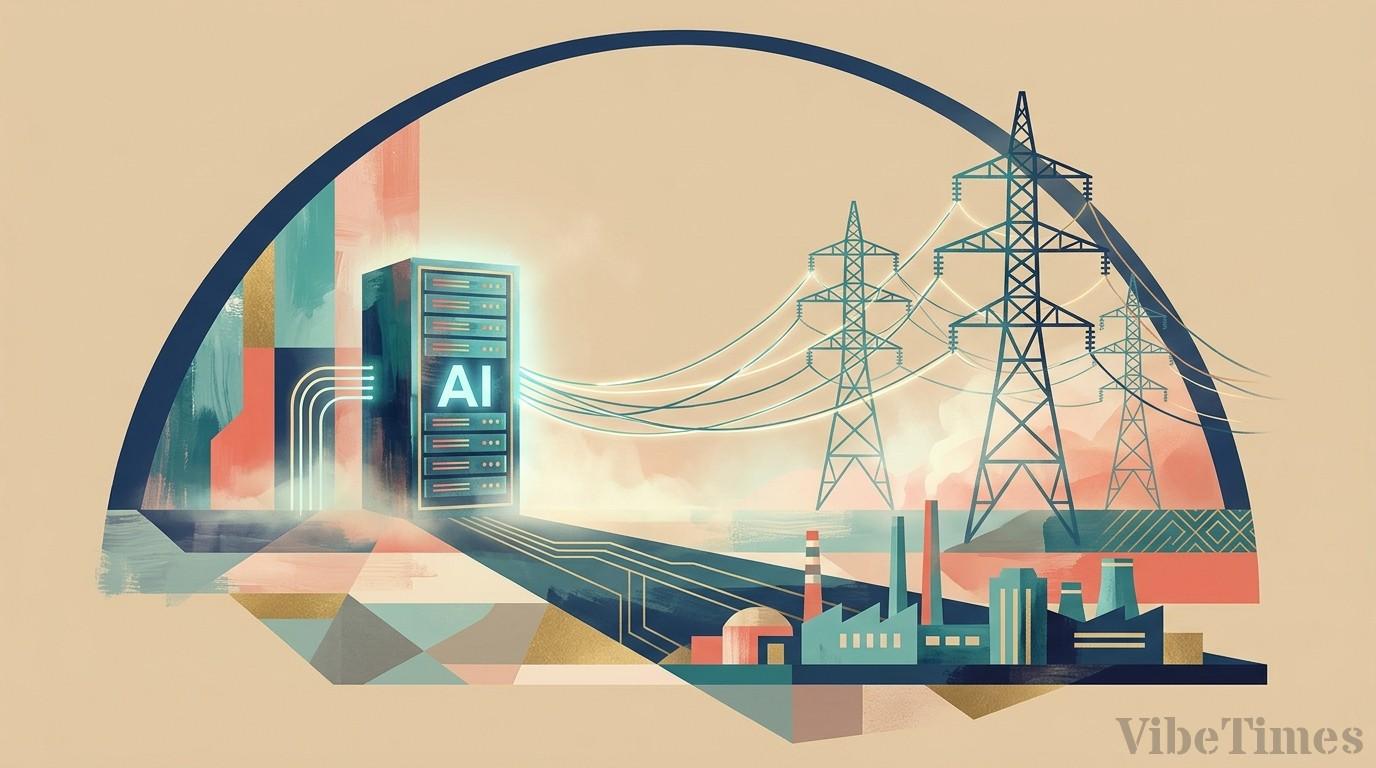
Power demand from artificial intelligence (AI) data centers is surging across the United States, pitting existing manufacturing sectors such as steel, chemicals, and semiconductors against each other in a fierce competition for electricity. AI data centers require stable, large-scale power supply 24 hours a day, while manufacturing plants like steel mills also consume vast amounts of energy, creating a competitive dynamic for grid access.
PJM, which operates the power grid for 13 states in the U.S. Midwest and Washington D.C., reported that wholesale electricity prices in the first quarter of this year rose by 76% year-over-year. This competition for power is destabilizing the production base for U.S. manufacturing and raising the possibility of power shortages. PJM anticipates a power supply deficit exceeding 6.6 gigawatts (GW) annually by next year. Furthermore, industries like copper and aluminum smelting are facing stalled new construction, and the semiconductor packaging sector is grappling with rising costs, leading to an overall increase in industrial burdens. By 2030, power consumption by data centers in the U.S. is projected to account for up to 15.3% of the nation's total electricity consumption.
Data center operators, backed by substantial capital, are likely to secure priority power access by offering higher prices than their competitors. This could place a burden on the power procurement strategies of Korean companies like Samsung Electronics and SK Hynix, which are building large-scale production facilities in the U.S. SK Hynix is constructing a semiconductor packaging plant in West Lafayette, Indiana, while Samsung Electronics operates a semiconductor factory in Austin, Texas. These companies may have to absorb increased construction and operational costs due to rising electricity prices or consider adjusting their investment timelines.