Causes, Solutions, and Countermeasures for the Leakage in Changwon Yongji-dong Underground Shopping Center

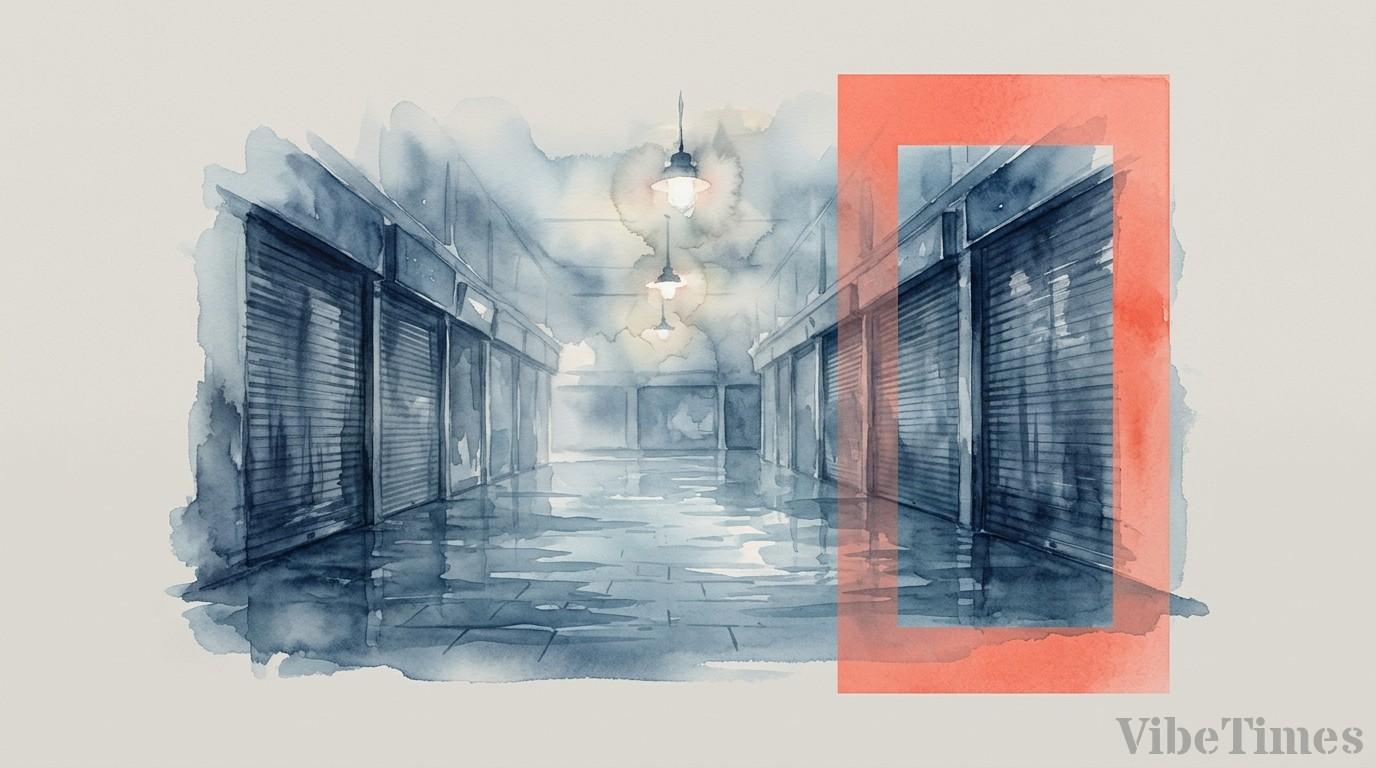
35-Year-Old Underground Shopping Center, Disaster Prevention System Collapses Under 30mm Rainfall
On April 12, 2024, as torrential rain of 30 to 40mm per hour poured down, the Yongji Underground Shopping Center in Yongji-dong, Uiwang-gu, Changwon-si, was completely submerged. Despite precipitation levels that exceeded the Korea Meteorological Administration's forecast, the massive underground space spanning a total floor area of 6,606㎡ (approximately 2,000 pyeong) was flooded with water depths exceeding 1 meter in just a few hours. Completed in 1989 and marking its 35th anniversary this year, this shopping center consists of two above-ground floors and one basement floor, having long served as a key passage and commercial hub for local residents.
At the time of the incident, water surged from the ceiling penetrations at the entrance of the underground arcade, cascading down like a waterfall. Due to the flooding, interior facilities and inventory in approximately 60 stores were completely destroyed, leading to a total suspension of operations. The water overflowed up the stairs to the ground level, and it was only after the emergency deployment of the fire authorities and the dispatch of drainage pump trucks by the Korea Asset Management Corporation that trapped individuals were rescued and the water could be pumped out. This incident is analyzed not merely as a natural disaster, but as a structural catastrophe resulting from the combination of outdated urban planning and a lack of management of aging infrastructure.
Analysis of the Core Causes of the Flooding
Failure of Disaster Prevention Pumps and Paralysis of Drainage System
A precise investigation by Changwon City confirmed that all three emergency pumps responsible for draining the underground arcade were inoperable at the time of the flooding. Whether due to electrical issues or mechanical defects, the fundamental lack of maintenance was the decisive factor that magnified the scale of the flooding. If regular inspections of disaster prevention equipment had been conducted properly, water could have been drained externally in the initial stages to minimize damage.
Aging Waterproofing Layers and Limitations of Equipment Capacity
The drainage canals and waterproofing facilities designed 35 years ago are ill-equipped to handle the localized torrential downpours that have become frequent due to recent climate change. The underground walls and waterproofing layers failed to withstand the hydraulic pressure of the soil, leading to structural cracks, which exposed the vulnerability where external accumulated groundwater forced its way inward. Additionally, it is presumed that ongoing repair work in the connecting passageway to the underground shopping center at the time also contributed to the formation of water sheets.
Step-by-Step Solutions and Structural Reinforcement Procedures
Introduction of Waterproofing Methods and Complete Overhaul of Drainage Infrastructure
Simple patchwork emergency repairs using cement to seal ruptured cracks cannot prevent recurrence. Physical blocking construction, such as injection grouting to high-pressure seal gaps in the building's exterior walls and around pipes, must be prioritized. A fundamental repair process is required to completely strip away the aging waterproofing layer and reapply it using the latest water-resistant materials capable of responding to urban climate change. Simultaneously, the three broken pumps must be immediately discarded, and emergency standby power systems must be bolstered to prepare for power outages.
Construction of Smart Disaster Prevention Systems and Mandatory Safety Diagnostics
Reliance on manual, human-dependent monitoring must be abandoned. Water level sensors should be installed at entrances and major penetrations of the underground shopping center, and automatic floodgate systems that close automatically when dangerous water levels are reached must be introduced. Local governments must legally mandate at least one annual precision safety diagnosis for aging underground shopping centers above a certain size, redesignate flood-risk zones, and upwardly adjust drainage capacity.
Legal Rights for Tenant Protection and Administrative Countermeasures
Building Owner's Repair Duty and Compensation for Tenant Damages
In underground shopping center lease agreements, the responsibility for repairing damages caused by leakage and flooding, as well as compensation, lies primarily with the building owner (landlord). Under the Civil Act, the landlord bears the duty to perform necessary repairs for the tenant to use the leased property, and must assume liability for damages if this duty is violated. Affected merchants must clearly document the conditions before and after the construction and the status of inventory damaged by flooding through photos and video to demand repairs and compensation from the building owner.
Linkage with Urban Regeneration Projects and Comprehensive Re-examination of Space Usage
Changwon City must use this incident as an opportunity to reset the long-term operational direction of the Yongji Underground Shopping Center, going beyond simple recovery support. Given that underground spaces see geometric increases in ventilation, lighting, and disaster prevention costs compared to above-ground spaces, budgets from urban regeneration New Deal projects should be invested to pursue a full remodeling. Considering the declining commercial value and rising maintenance costs of the 35-year-old arcade, macro-level decisions are needed, such as boldly converting the space for other uses like a parking lot or drastically expanding investment in flood prevention infrastructure.
Implications for Infrastructure Investment to Prevent Recurrence
The Changwon Yongji-dong incident is a representative case illustrating the current state of aging underground infrastructure nationwide. With the intensity and frequency of localized downpours increasing due to climate change, the disaster prevention capabilities of underground spaces built on past design standards have reached their limit. Local governments must actively utilize the Disaster Safety Special Grant Tax to execute immediate support for affected merchants. Furthermore, governance should be established to expand preventive infrastructure investments, such as emergency power facilities and automatic floodgates, to fundamentally block the recurrence of repetitive underground flooding damage.