August 3 Legislative Report: Imminent Promulgation of Criminal Procedure Code Amendment and Impact of Complete Abolition of Supplementary Investigation Authority

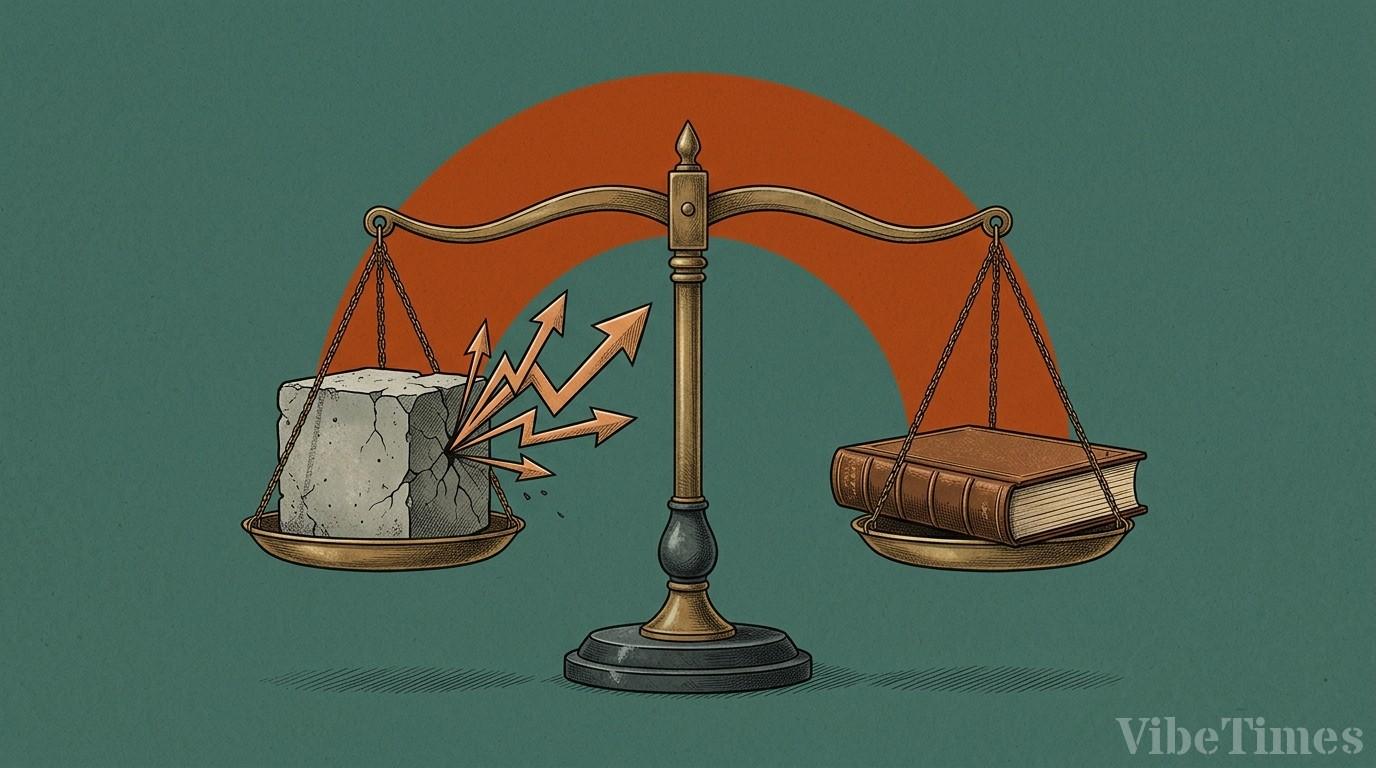
Criminal Procedure Code Amendment Promulgation Looms as Political Circles Stand Divided
The amendment to the Criminal Procedure Act, passed by the National Assembly plenary session on July 31, is expected to be promulgated after a Cabinet meeting on the 4th. This bill represents a pivotal restructuring of the judicial system, completely separating investigation from prosecution functions for the first time in 78 years by fully abolishing prosecutors' supplementary investigation authority. President Lee Jae-myung, returning from his tour of South America on the 3rd, made the final decision not to exercise his veto power, effectively allowing the bill to proceed. The Presidential Office also affirmed its respect for the National Assembly’s decision, effectively finalizing the legislation. Consequently, South Korea’s criminal justice system is facing an unprecedented change in which investigation and prosecution functions are separated.
However, the gap between political circles and the judiciary remains stark. Lee Jun-seok, leader of the Reform Party, harshly criticized the Democratic Party and the Lee Jae-myung administration for their incompetence and irresponsibility during the bill's processing while presiding over a supreme council meeting at the National Assembly on the morning of the 3rd. Conversely, the opposition People Power Party continues to fiercely resist the bill, repeatedly urging the Presidential Office to exercise its veto due to concerns over potential adverse effects.
Ripple Effects of Abolishing Supplementary Investigation Authority and the Judiciary’s Response
According to government authorities, the core of this amendment is to guarantee police the power to conclude investigations while completely blocking direct prosecutorial intervention. While the police are guaranteed independent authority to conclude cases, a 'full case transfer' system—which mandates that investigation agencies must refer cases involving seven major crimes, such as sexual offenses and stalking, to prosecutors without concluding them themselves—is being discussed as follow-up legislation. Democratic Party members of the Legislative and Judiciary Committee have expressed their intention to swiftly process related follow-up bills within the month to minimize any gaps in the system.
Voices of concern regarding such a drastic institutional change are not scarce. Minister of Justice Jung Seong-ho, during a Q&A session following the appointment ceremony for new prosecutors on the 3rd, noted that there is no precedent for such a short-term revision of the Criminal Procedure Act and predicted confusion on the ground. Emphasizing that the criminal justice system is the final safeguard for citizens' lives and safety, he stressed that if victims' harm is exacerbated or unforeseen side effects occur, the system will be swiftly amended. Acting Prosecutor General Koo Ja-hyun also expressed his resignation immediately following the bill's passage, acknowledging deep responsibility over the loss of investigative authority. A sense of futility is spreading within the prosecution, stemming from the lack of practical countermeasures during the institutional overhaul.
Voting Patterns Reveal Shifting Internal Party Dynamics
Internal dissent within the ruling party has become increasingly prominent during recent National Assembly plenary votes on key bills. During the July 23rd review of the 'Partial Amendment to the Public Health Management Act,' 38 People Power Party lawmakers voted in favor, while 7 broke ranks to vote against. The involvement of influential figures from various sectors among the dissenting voters suggests subtle fractures in party cohesion.
Similar patterns of defection are repeating in other economic and social legislation. On June 18, 10 lawmakers voted against the 'Partial Amendment to the Korea Rural Community Corporation and Farmland Management Fund Act,' and on the same day, 8 opposed the 'Act on the Conservation and Promotion of Recycling.' Some lawmakers have cast dissenting votes in consecutive bill votes, prioritizing constituency opinion and individual legislative philosophy over party lines. Experts analyze that such internal noise will significantly impact the formulation of parliamentary strategies not only for the difficulties in passing bills but also for the upcoming general election and the goal of regaining power.
Tasks for Institutional Settlement and Political Schedule Outlook
For the historic institutional reform of abolishing supplementary investigation authority to take root successfully, the reallocation of investigative personnel and measures to protect victims are urgent. The prosecution has moved to address physical shortages, such as accelerating the deployment of new prosecutors to frontline units. The police also face the task of dispelling public anxiety by transparently establishing responsibility systems and internal controls commensurate with their expanded investigative authority. If the follow-up bill regarding the full transfer of the seven major crimes—promised by relevant ministries and the ruling party—passes next month, the framework of the new judicial system, with separated investigation and prosecution, is expected to find some stability.
Meanwhile, the political sphere is expected to enter full-fledged policy competition during the upcoming regular National Assembly session, starting with this judicial reform. Lawmakers from the Rebuilding Korea Party belonging to the Education Committee are continuing their legislative activities by introducing livelihood-focused bills, such as increasing transparency in private education expense accounts and preventing the cashing out of child meal cards. Additionally, the 'Act on Training Regional Doctors and Supporting Regional Medicine,' jointly proposed by opposition lawmakers and passed by the plenary session of the 22nd National Assembly, is set to take effect on January 1, 2026, drawing attention to whether it will substantively contribute to resolving medical disparities. Whether these diverse livelihood bills, progressing alongside fundamental changes in the criminal justice system, will amplify political conflict or serve as a catalyst for advancing the national system depends on the wise cooperation among parliamentary negotiating groups moving forward.