President Lee Jae-myung Orders Full Re-examination of ISA Tax Reform; Moves to Quell Investor Backlash

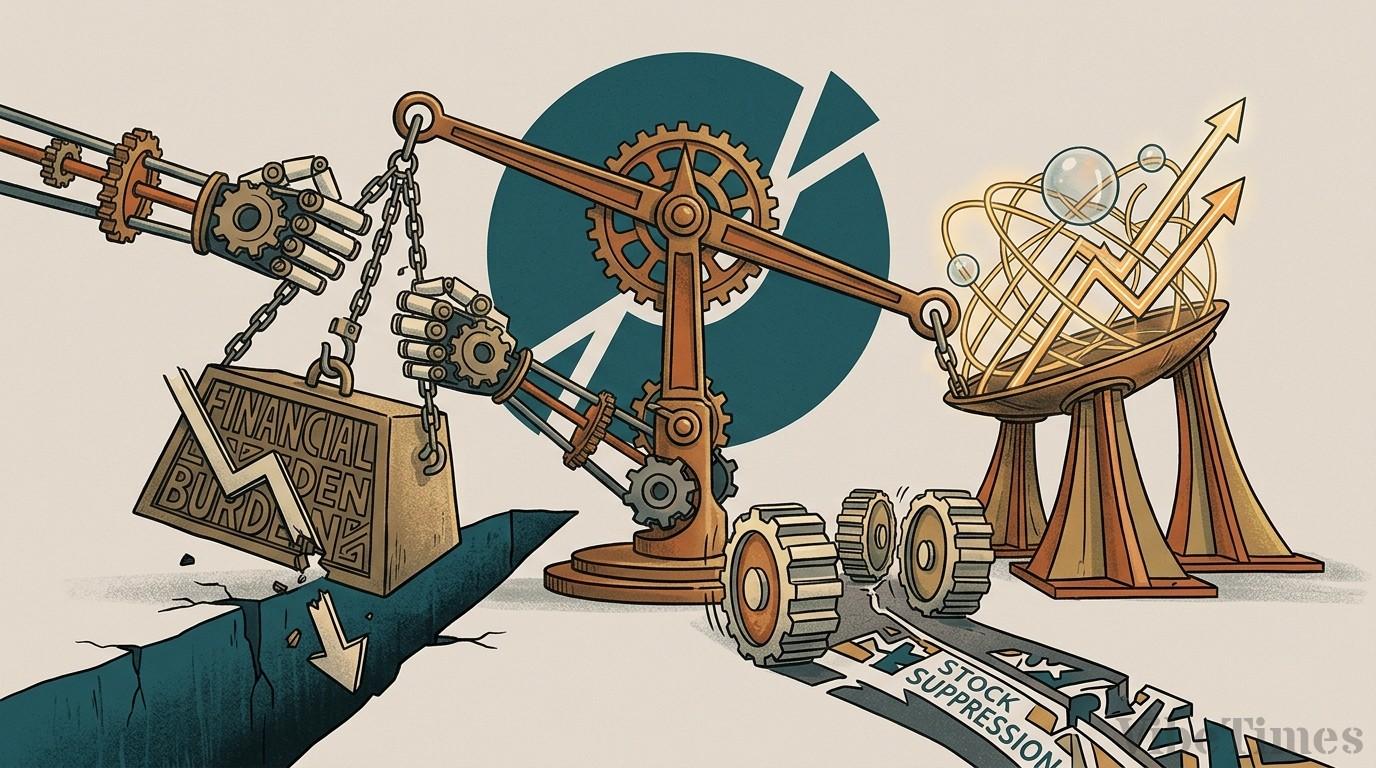
Tax Reform Plan Faces Investor Backlash
President Lee Jae-myung ordered a comprehensive re-examination on the 7th regarding revisions to the Individual Savings Account (ISA) system and the so-called "anti-stock market manipulation bill." The ISA is a system that manages various financial assets, such as stocks, funds, and deposits, in a single account while offering tax deferral benefits. The government recently announced a plan to expand the tax-exempt limit for these accounts in preparation for the financial investment income tax. However, the move is interpreted as a policy retreat, as individual investors and the younger generation vehemently protested the detailed criteria of the tax reform plan. Analysts suggest the President's direct order for a high-level re-examination aims to quickly calm market anxiety.
Background of the Bill and Market Rationale for Opposition
Controversy began when financial authorities pushed to expand the ISA tax-exempt limit from the existing 2 million won to a maximum of 4 million won. The government's original intention was to induce the public to invest more in risk assets and increase capital market flexibility. However, criticisms arose that benefits were concentrated only on high-end investors meeting specific conditions. At the same time, the stock price decline prevention bill, designed to block massive short-selling by large institutional investors, also chilled the market sentiment. Securities experts warned that the introduction of the system could temporarily cause a liquidity drought in the stock market. Ultimately, as criticism spread that the measures would shrink opportunities for individual investors to grow their assets, the government decided to slow down the processing of the bill.
Impact on the Capital Market
The re-examination of the two key financial bills is expected to lower volatility in the domestic stock market in the short term. While immediate sell-offs could have occurred if the bills were forced through, investment sentiment is projected to stabilize following the policy pullback. According to the securities industry, the proportion of people in their 20s and 30s actively using ISA accounts is trending upward annually. Therefore, resolving investment insecurity among this demographic is deemed essential for strengthening the long-term resilience of the capital market. Consistent deregulation and tax benefits from the government are necessary to create a virtuous cycle between corporate financing and individual asset formation.
Legislative Gridlock Possibility and Future Schedule
The ruling party is devoting all efforts to passing innovative financial bills, led by the National Assembly. However, following the President's directive for a full re-examination, the passage of related bills through the plenary session is likely to be significantly delayed. The opposition party is also strongly criticizing the government's clumsy policy push under the guise of investor protection. Rep. Lee Jun-seok of the Reform Party previously emphasized that the criminal justice system and national policy should not be swayed by private emotions or public opinion, urging a cautious approach to the bill's handling. While the policy direction of assisting individual asset accumulation remains firm, coordination between the ruling and opposition parties is essential regarding specific tax rates and legal control mechanisms. The government and the ruling party plan to gather market input and prepare a comprehensively revised alternative by the next regular National Assembly session.
