August 15 Procurement Market Report: AI and Cloud Bids Surge 30% as Samjung Elevator Joins In

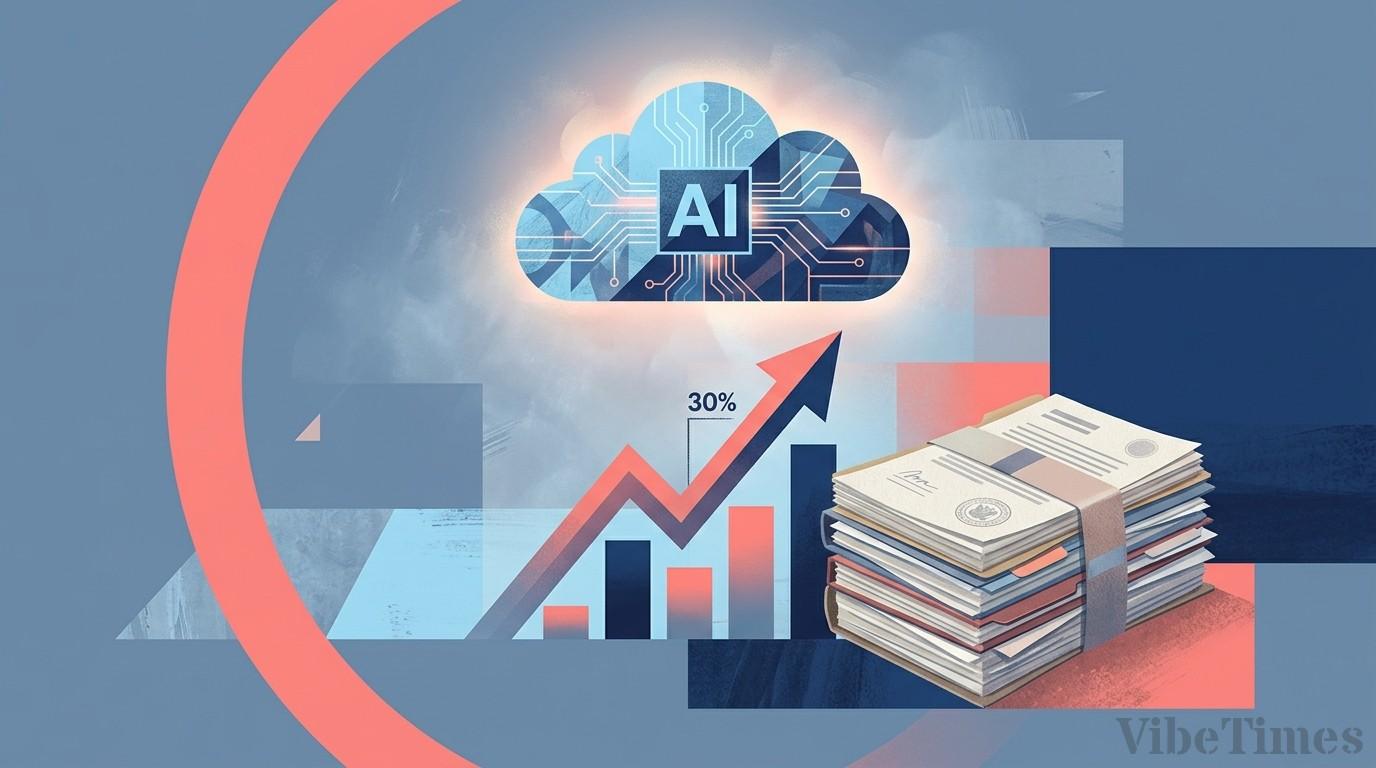
An analysis of public procurement records accumulated on the Public Procurement Service's KONEPS platform, grouped into units of 80 domestic companies, confirms a shift in public demand from traditional sectors like construction and design toward digital services. In particular, bids related to artificial intelligence (AI) adoption and cloud conversion increased by nearly 30% compared to the previous year. This signals that the growth axis of the procurement market is shifting.
Procurement Market Sees Diversified Industry Representation
The roster of companies named in this data differs in nature from the past. While traditional powerhouses centered on design and construction—such as Hanin Architectural Office, Hanbit Engineering & Architects, Ace Engineering, and Yeonam—have retained their positions, they have been joined by IT service and e-commerce firms like Jinwoo ATS, Interz, and MyShopOnShop, as well as insurers like Kyobo Life Plan Insurance. This serves as proof that the scope of goods and services purchased by public agencies has expanded to platforms and the financial sector.
The distribution is also distinctive. Performance is not concentrated in any single company but spread evenly. This suggests a decentralized market structure where large firms do not monopolize contracts, but specialized SMEs accumulate performance in their respective fields. The presence of numerous niche players—such as Namdo Tourism for tourism services, Geumgang Geographic Information for spatial information construction, and Samjung Elevator for facility maintenance—fits this same context.
What the 30% Rise in Digital Bids Signifies
The most significant change is in the digital sector. An analysis of KONEPS bidding data shows that bids related to AI analysis adoption, cloud system conversion, and data construction increased by nearly 30% from last year. Cloud computing, which involves renting remote computing resources connected via the internet instead of using self-owned servers, is being used by public agencies as a means to modernize systems while reducing initial investment burdens.
The 30% surge is backed by policy. In the course of pushing for a digital government, local governments and public agencies have successively ordered projects integrating AI into administrative data analysis, urban control systems, and document automation. Consequently, the center of gravity in procurement is shifting from civil engineering and architecture to software and data services. However, as these projects are in the early adoption stage, the analysis notes a limitation that the scale of orders does not yet match that of traditional construction.
Traditional Sectors Boosted by Carbon Neutrality and Safety Budgets
Traditional sectors are also benefiting from policy. The participation of environmental and forestry companies such as DaeHoon Environment, DaeGyung Forest Development, and Forest Resources Development indicates that public budgets are being allocated for forest carbon sink creation and forestry management projects aligned with carbon neutrality goals. Companies like Innosafety Technology, responsible for safety inspection and diagnosis, have also come under the influence of increasing disaster safety management budgets.
Facility maintenance demand is more structural. As aging buildings accumulate, orders for elevator inspection and facility improvement continue steadily, providing a stable market for specialized firms. The inclusion of planning and platform-based companies like Wible and G&B Planning supports the analysis that service procurement—contracts for functions and operations rather than goods—has taken root.
Doors Are Wider, but Passage Criteria Are Stricter
The expansion of digital procurement is expected to continue into the second half of this year. If the 30% growth trend holds, related budgets and orders are likely to increase further on an annual basis. Opportunities for participation by regional SMEs and specialized SMEs are expected to widen accordingly.
However, entry barriers have not lowered. Often, bidding eligibility requires cloud security certification or software quality certification, and as competition intensifies, there is a concern that profitability may worsen due to falling winning bid rates.
The doors to the procurement market are opening wider, but the conditions for passing through them are becoming stricter.
This is the practical message this data leaves for SMEs. It appears that only companies with pre-established certifications and track records will be able to convert growing public demand into actual contracts.