Tasting Notes and Food Pairings for Soju Max Original and Lime

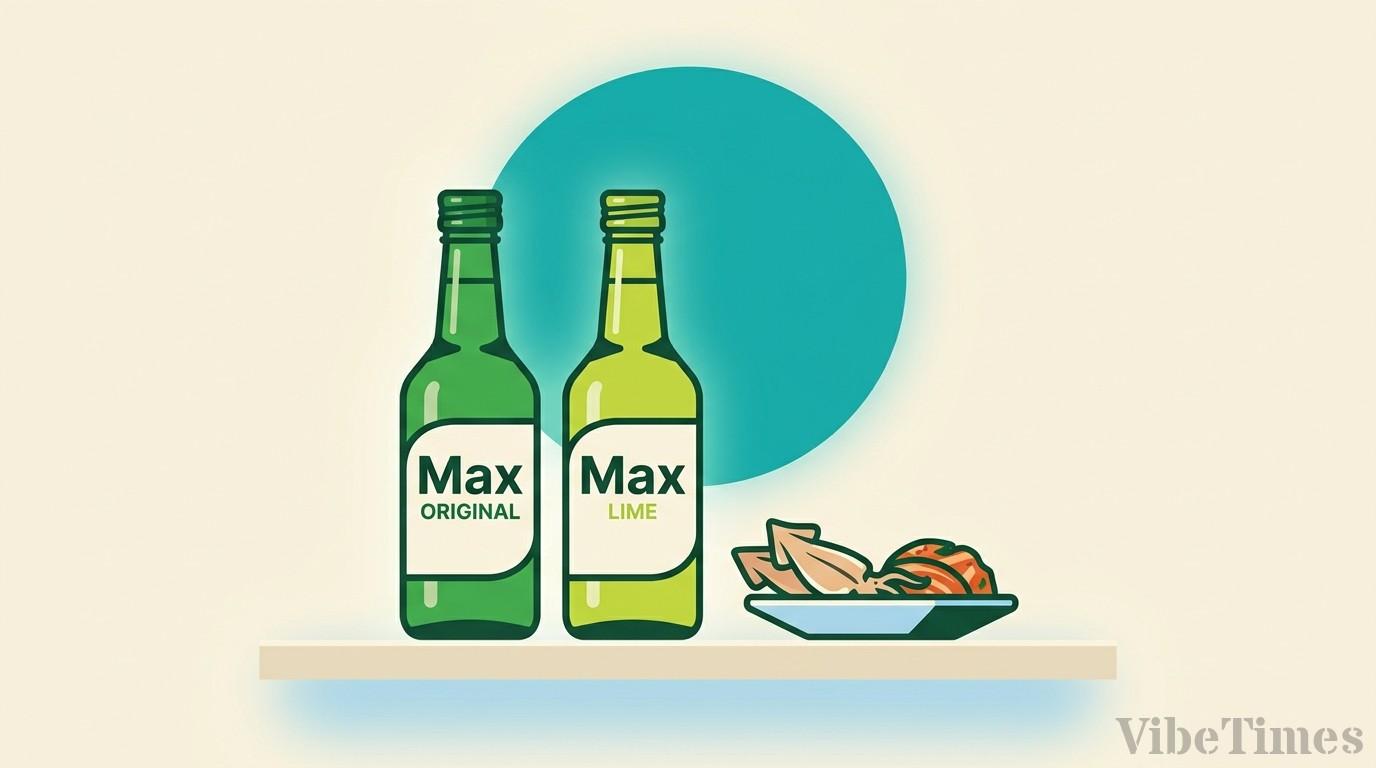
The 'Max' Phenomenon: The Two Bottles That Rocked the Soju Market
The Limits of Traditional Soju and the Rise of Max
Upon release, Max the Original and Max Lime triggered a supply shortage so severe that production could not keep up with demand, shaking up the hierarchy of the soju market. According to industry sources, the Max series demonstrated enough ripple effect within a year of its launch to threaten the top-ranking brand. In offline bars, 'Do you have Max?' became a everyday question.
Until now, commercially available soju has maintained a standard alcohol content of around 16.9% ABV and a consistent sweet flavor. Low-alcohol products like 'Saero' or 'Joeunday' were perceived as clean yet bland, lacking appeal beyond a niche fanbase. Max drove a wedge right into that gap. The key lies in securing a bold presence with high alcohol content while utilizing advanced brewing techniques to remove harshness.
A Bold Move in Branding Strategy
Before its launch, Max faced controversy over its similarity to 'Chamisul X.' However, Hangu Soju successfully turned this into brand recognition by rebranding with a bold 'Max' name and sophisticated packaging. This is the background story of how it established a dominant position on convenience store shelves and bar menus.
Tasting Notes: Two Completely Different Spirits
Max the Original — The Density of the Original Liquor
At 43% ABV, the Original ranks among the highest alcohol content for domestic soju. Bringing the glass to the nose reveals a mellow alcohol scent accompanied by a subtle grain sweetness. The first sip is so strong it feels like it is 'scorching' the throat. However, from the middle notes, the finish extends long, leaving a refreshing yet astringent aftertaste on the tip of the tongue.
Expert evaluations converge on the view that 'it preserves the feeling of the original liquor without compromising the taste of the spirit itself.' Many react that there are fewer hangovers due to low additives, but one must account for the fact that the high alcohol content leads to rapid intoxication. Its true value is revealed when served chilled.
Max Lime — Refreshing Sensation Hiding 40 Degrees
Max Lime adds lime juice to its 40% ABV base. A vivid lime fragrance overlays the sharp alcohol scent, evoking the refreshing sensation of cola and lime. The acidity cunningly masks the alcohol content, making it significantly smoother to drink than the Original. The consensus among beginners and female consumers is that 'it is hard to believe it's 40 degrees,' but it comes with the warning that 'three shots and you're down.'
However, some opinions suggest that the added sweetness can leave the stomach feeling heavy the next day. Since the refreshing aftertaste is its strength, moderating intake is the only challenge.
Food Pairing Guide: Optimal Combinations for Each Product
Original: Oil and Saltiness
With its high alcohol content and dry taste, the Original pairs best with oily foods. Yukhoe (raw beef) or Yukhoe Bibimbap is the standard choice. Max washes away the greasiness of the meat instantly, while the saltiness of the appetizer elevates the flavor of the liquor. Soy sauce chicken or fried foods follow the same logic and pair well.
Spicy soup dishes like Jjamppong are also a good choice. Max's refreshing quality tames the lingering aftermath of the spice. Conversely, bean sprout salads or vegetable wraps (Ssam), which are savory and herbal, can clash with Max's sharp taste and leave an astringent feel in the mouth, so it is better to avoid them.
Lime: Spiciness and Light Cleanliness
The citrus acidity of Lime excels at neutralizing spicy flavors. Pairing it with stimulating menus like seasoned ribs (Yangnyeom Galbi), Malatang, or Tteokbokki allows the lime to cover the spice while the alcohol content balances the saltiness. When eaten with non-fried, clean dishes like Shabu-shabu, you can maintain that refreshing palate until the end.
Selection Criteria and Remaining Challenges
In summary, the answer is clear. Choose the Original if you seek the intrinsic taste and strength of liquor; choose Lime for a smooth entry and refreshing sensation. Since the mouthfeel of both products differs fundamentally from conventional 16.9-degree soju, it is safe to adjust your usual standard for number of drinks by half.
What Max has achieved is not merely a hit for a new product, but a shift in the consumer baseline for soju alcohol content and flavor. While the experience ultimately belongs to those who try it themselves, there is a high possibility that this wind will establish a new category: high-alcohol premium soju.