For Single-Person Households, Portion Fridge Ingredients Before They Spoil

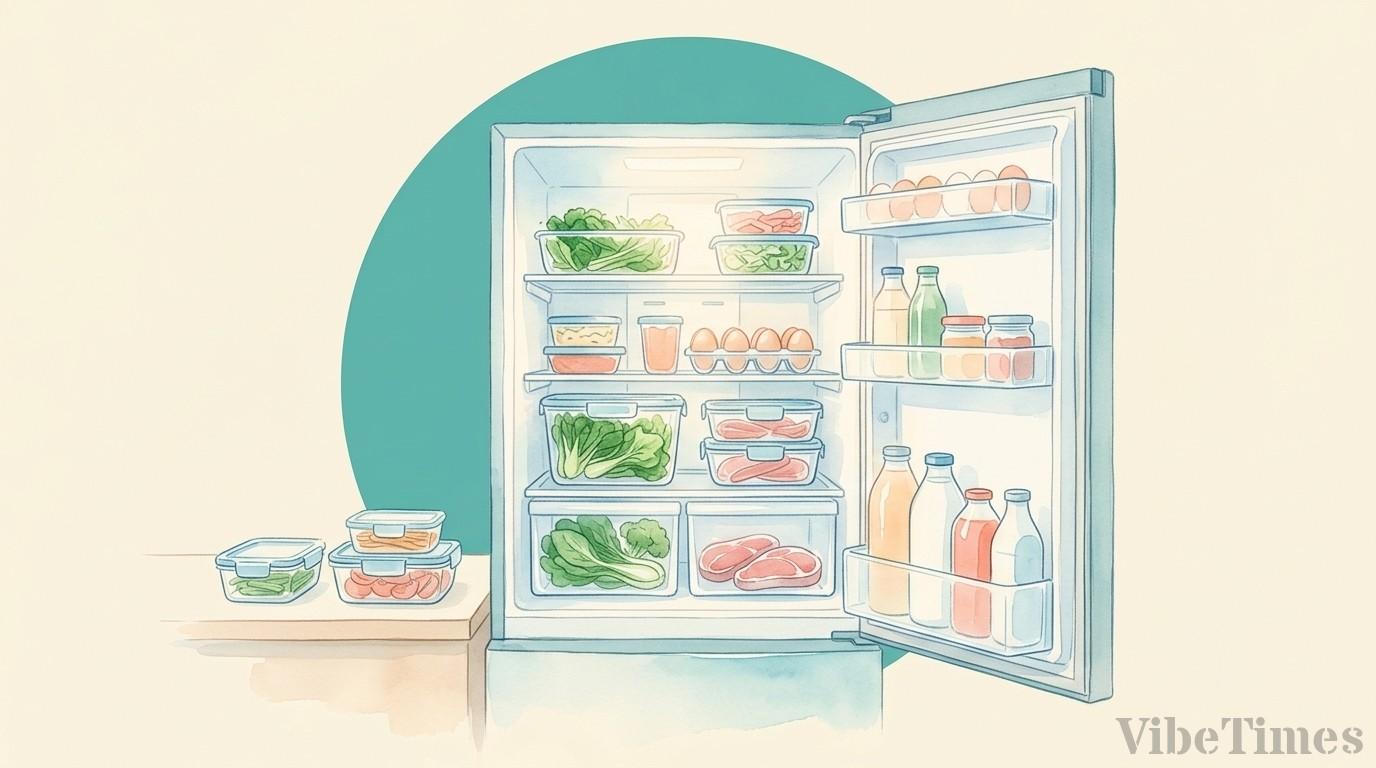
The real leak in a single-person household's food budget is not at the supermarket checkout—it is inside the refrigerator.
A single bunch of scallions and 500 grams of meat are the items people living alone most often send to the trash. As of 2023, single-person households account for roughly 35 percent of all households—about 7.5 million—yet the food distribution system is still built around multi-person households. According to Statistics Korea, more than 14,000 tons of food waste are generated in South Korea every day, and experts cite bulk purchasing, unplanned shopping, and failed storage as the main causes. Survey findings back this up: simply dividing ingredients into single-serving portions on the day of purchase can save 20,000 to 50,000 won a month.
Start by Understanding Why Food Gets Thrown Away
The Market Packages for Multi-Person Households
The minimum package of meat at large supermarkets is typically around 500 grams. Scallions likewise come by the bunch, so single-person households start cooking in a state of overpurchase whether they like it or not. The crux of the problem is that with few smaller-portion options available, consumers have no choice but to respond with storage techniques.
Forgetting What You Have—and Buying It Again
Ingredients pushed deep into the refrigerator tend to sit untouched until well past their expiration dates. That leads to double spending on forgotten items, inflating food costs twofold. The key point is that portioned storage is not mere hygiene management—it is a visualization exercise that makes your inventory visible. Once the stock is visible, you can stretch shopping trips to two-week intervals and even curb impulse buying.
The Basics of Portioning Meat and Fish
Freeze Meat Flat in 100–150g Portions
Beef and pork keep their quality for two to three months when wrapped in 100–150g single-meal portions, placed in zip-top bags, and frozen. For ground meat, the trick is to press the bag flat to squeeze out the air; the wider surface area dramatically cuts thawing time. Chicken breasts can be frozen for up to one month, either wrapped individually raw or cooked and divided.
For Fish, Removing Moisture Determines Freshness
Fish holds up for two to three weeks only when patted thoroughly dry with paper towels, then wrapped in plastic and placed in a zip-top bag before freezing. Leftover moisture damages the flesh during freezing and causes fishy odors. The same goes for mushrooms: moisture invites mold, so they should not be washed—wrap them in paper towels or newspaper and refrigerate instead.
Store Bags Upright, Like Books on a Shelf
Standing portioned zip-top bags vertically turns the freezer into an inventory list. Because the bags freeze thin, thawing is faster and space efficiency improves as well. Those who find weighing tedious can mark a single-serving line inside a 600g container to make repetition easier.
Divide Vegetables and Grains by Use
Freeze Scallions and Minced Garlic for Instant Use
Chop scallions into ready-to-eat pieces and freeze them in zip-top bags together with paper towels. They can go straight into soup or stew pots without thawing, cutting down cooking time. The paper towels absorb moisture, preventing sogginess and mushiness. Onions, garlic, and ginger can be minced and frozen in ice cube trays for convenient single-serving use—especially helpful for cooking beginners.
Some Vegetables Should Not Be Washed
Leafy greens such as spinach and lettuce last three to five days when left unwashed, wrapped in paper towels, and refrigerated in zip-top bags. Blanching and freezing extends storage to one month. Keep in mind, however, that cucumbers and tomatoes meant to be eaten raw turn mushy when frozen and are unsuitable for freezing. Divide rice into 1–2kg portions in airtight containers or plastic bottles to keep pests out. For sandwich bread, the standard practice is to keep out only what you will eat at room temperature and freeze the rest in slices—refrigeration actually accelerates staling and should be avoided. Store leftover tofu submerged in water in an airtight container and use it within two to three days.
Routines to Build Habits and Rules to Follow
The 10 Minutes Right After Shopping Are Golden Time
Most ingredients spoil because of procrastination—the promise to prep them later. Invest just 10 minutes right after getting home from shopping to wash, chop, and divide, and preparation time shrinks for every meal that follows. Before shopping, take a photo of the refrigerator to check your stock; it is also effective to set a weekly fridge-cleanout day when meals are made from leftover ingredients.
Date Labels and First-In, First-Out Cut Losses
Simply writing the ingredient name and date on every frozen zip-top bag noticeably reduces disposal losses. Frozen foods show no visible signs of spoilage, so date labeling is essential. Adding the first-in, first-out (FIFO) principle—older items in front, new ones behind—prevents half of all storage failures.
Food safety experts emphasize two things: keeping the freezer at -18°C or below, and never refreezing meat that has already been thawed once.
Thawing slowly in the refrigerator is safer than at room temperature, and cross-contamination of cutting boards and knives during portioning also requires attention. Freezing with air trapped inside causes freezer burn that degrades flavor and texture, so airtight sealing is the rule. It is also worth knowing that packing the freezer completely full blocks cold-air circulation and reduces freezing performance.
The essence of portioned storage is converting purchase units into your own meal units. Portioning whole cuts of meat can cost 20 to 40 percent less per kilogram than pre-portioned products, and once the habit takes hold, food expenses can be cut by 10 to 20 percent. Within the food budget structure of single-person households—250,000 to 350,000 won a month—a few zip-top bags and 10 minutes right after shopping are the surest investment.