Democratic Party Withdraws Bill to Strip Election Commission Special Counsel Prosecutors of Investigative Powers After Two Days

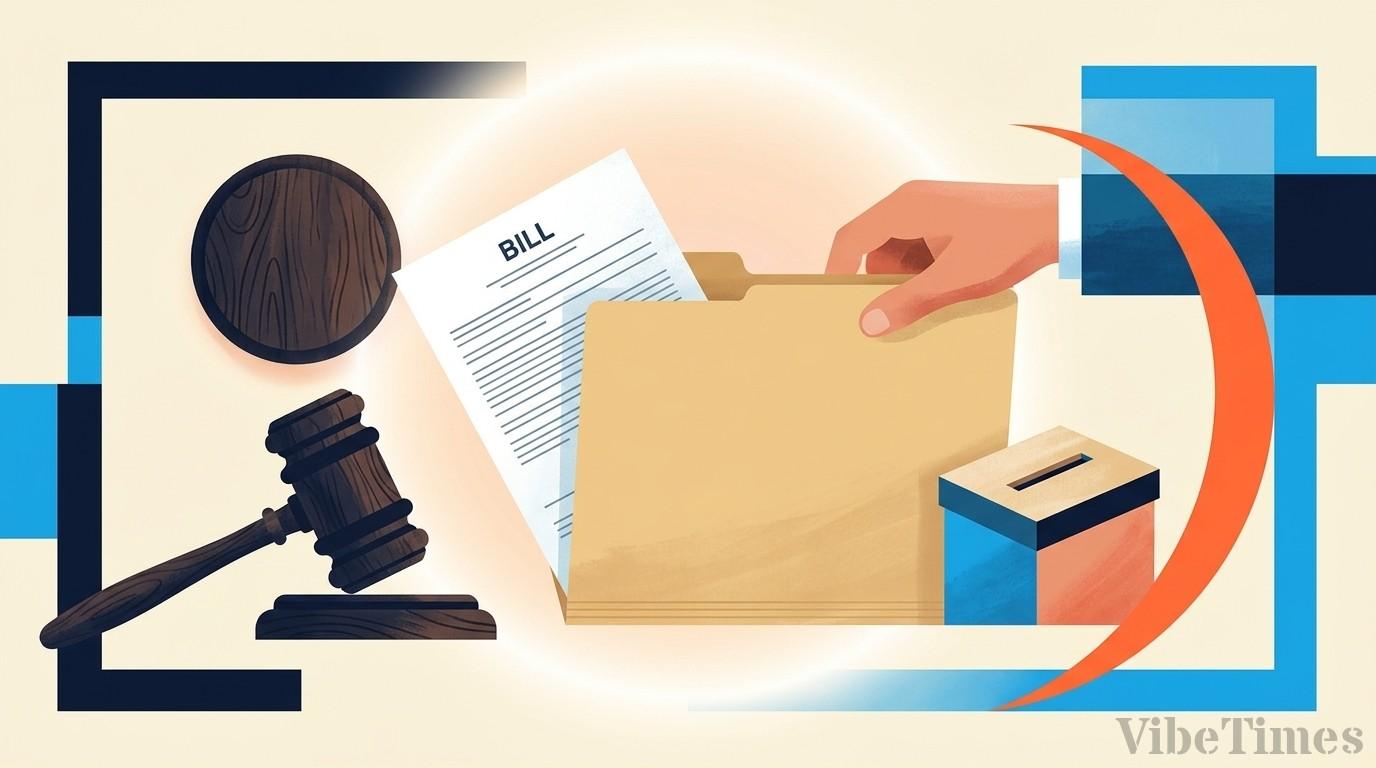
The ruling party has pulled a bill it introduced itself just two days after filing it. The Democratic Party of Korea had proposed a revision to the Special Counsel Act stripping investigative authority from prosecutors seconded to the special counsel probing allegations surrounding the National Election Commission, but decided to withdraw it on its own after running into fierce backlash. With accusations of trying to neutralize the special counsel compounding concerns just 22 days before the abolition of the Prosecutors' Office takes effect, the episode has escalated into a broader challenge to the ruling party's legislative review process.
The Backdrop: A Revision Bill Out One Day After the Special Counsel's Launch
Democratic Party lawmakers on the National Assembly's Legislation and Judiciary Committee introduced the bill on the 8th of this month—just one day after the election commission special counsel launched—revoking the investigative powers of seconded prosecutors. The special counsel is a temporary investigative body led by a special prosecutor, with seconded prosecutors handling much of the investigative casework. Observers noted that if the revision passed as written, the special counsel team's investigative momentum could be immediately undermined. Once news of the bill broke, criticism followed that it amounted to an attempt to paralyze the special counsel's investigation.
The backdrop cited for the bill was the prosecution reform timetable. The ruling party has long framed the abolition of the Prosecutors' Office as the endpoint of its reform agenda, and its implementation is now just 22 days away. The apparent rationale was to fix what the party saw as an inconsistency: under the new system, in which prosecutors would in principle lose their investigative authority, only prosecutors seconded to the special counsel would retain it. Regardless of the rationale, however, the move—overhauling the foundations of a special counsel probe at its outset within a single day—could not escape criticism for its serious procedural flaws.
The Gist of the 'Power-Stripping' Bill and the Gap in Transitional Provisions
The gist of the bill was simple. It amounted almost entirely to taking away investigative authority from prosecutors seconded to the special counsel. It cut off their investigative powers without any transitional measures or plans for replacement investigators. As a result, concerns grew rapidly that if the seconded prosecutors' investigations halted, the special counsel itself could effectively grind to a stop.
Timing was also a major problem. By introducing the bill the day after the special counsel launched, the party invited accusations of compromising the special counsel's independence as well. It was for the same reason that critics said the ruling party had, if anything, deepened the confusion in a prosecution reform phase with implementation just 22 days away. Analysts noted that even if institutional consistency was the stated aim, a bill applying immediately to an ongoing special counsel investigation only invited accusations of political interference.
An Unusual Retreat After Admitting the Bill Was 'Mistakenly Introduced'
It was introduced by mistake
Lee Joo-hee, the Democratic Party's floor spokesperson, acknowledged as much in a media notice and said the party would withdraw the revision. It is a rare turn of events for a ruling party to pull its own bill just two days after introducing it. The party appears to have concluded internally that a hastily drafted bill would only erode the credibility of its reform agenda. With the withdrawal, the controversy over interference with the special counsel has been put to rest for now.
As a matter of procedure, withdrawal does not amount to scrapping the institutional change. The original sponsor can re-introduce the bill at any time, leaving the embers of further debate alive. The opposition is expected to keep up its offensive, casting the episode as an example of the ruling party's legislative overreach. Within the ruling party itself, voices are highly likely to emerge calling for a rethink of the seconded prosecutors' investigative authority and staffing structure once the Prosecutors' Office is abolished.
Special Counsel Probe Continues... Legislative Sparring Is the Wild Card
The special counsel's investigation is unaffected for now. With the seconded prosecutors' investigative authority remaining intact under current law, the investigation is expected to proceed on schedule. The key question is what happens after the Prosecutors' Office abolition takes effect 22 days from now. Separate legislation appears inevitable on how to structure the special counsel's personnel and investigative powers under the post-abolition system. Negotiations between the ruling and opposition camps are expected to be needed again over when to put transitional provisions in place.
The parliamentary audit and the regular National Assembly session add further variables. The opposition is likely to seize on the introduction-and-withdrawal process to hold the ruling party accountable. Even if the bill is re-introduced, the prevailing view is that passage will not be easy without sufficient review and consensus. Over the coming three weeks leading up to the implementation of the Prosecutors' Office abolition, the depth of legislative debate over the special counsel system is expected to serve as a measure of the ruling party's reform credibility.