Deal Reached on 32 Livelihood Bills, Including Law to Prevent ER Overflow

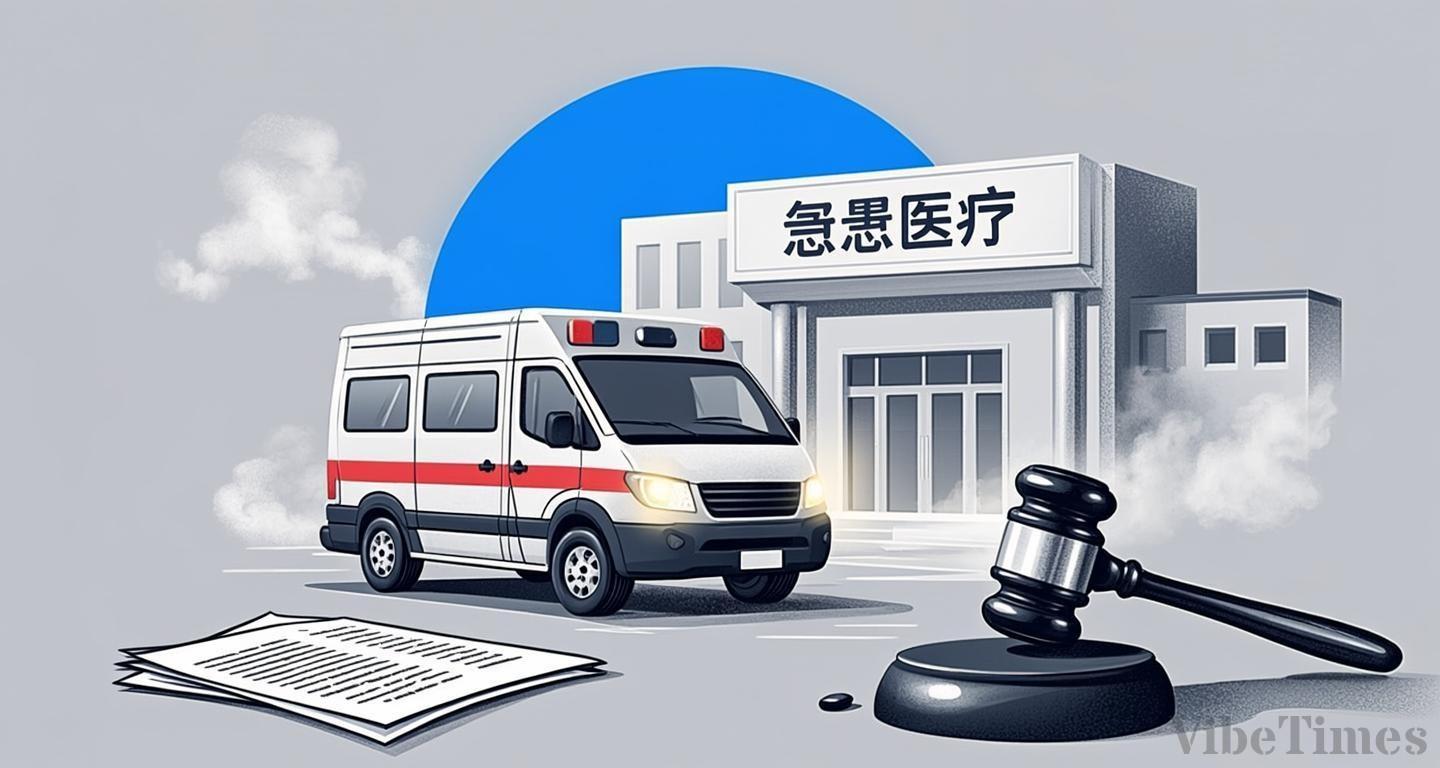
A path has opened for emergency room patients so they no longer have to be shuffled from hospital to hospital.
Ruling and opposition parties agreed on the 15th to pass 32 livelihood bills during this regular National Assembly session, including the so-called "anti-ER-shuffling law" (a revision to the Emergency Medical Care Act). According to Yonhap News, the agreement covers not only an overhaul of the emergency medical system but also numerous bills directly tied to everyday life. With the floor leaders of each negotiating bloc confirming the deal at the National Assembly, it is being hailed as the first legislative achievement of the September regular session.
Why Emergency Medical Care, and Why Now
ER "shuffling"—patients being bounced between hospitals—has long been a structural problem. With too few beds for critically ill patients and mild cases flooding emergency rooms, the essential medical care system has repeatedly ground to a halt. The situation has been compounded by a structure in which specialists have shied away from frontline emergency care. As cases multiplied of patients traveling from one ER to another in search of treatment, calls grew for a legal overhaul of the patient transfer and triage system.
The crux of the revision is to strengthen patient transfer and coordination functions among emergency medical institutions so that patients are quickly connected to appropriate hospitals. It also clarifies the duties and responsibilities of hospitals so they cannot refuse to admit patients without justification. The law applies to all emergency medical institutions nationwide, and regional hub hospitals such as local medical centers are expected to play a larger role.
The Weight of Livelihood Issues Behind the 32 Bills
The significance of this agreement goes beyond a single bill. The fact that the rival parties agreed in advance on a specific package of 32 bills to handle during the regular session marks a break with the old practice of legislation drifting due to political schedules. Notably, the package includes follow-up legislation protecting children and adolescents and supporting victims of sex trafficking. On the day, the National Assembly's Gender Equality and Family Committee passed follow-up bills, including a revision to the Juvenile Protection Act tied to amendments to the Criminal Procedure Act, led by the Democratic Party.
The agreement is seen as reviving the long-standing principle that the National Assembly exists to protect the lives of the people.
Still, differences remain between the parties. The People Power Party staged a walkout from the Gender Equality Committee's plenary session in protest of the procedure during discussions on the Criminal Procedure Act follow-up legislation. Disagreements over follow-up measures to the abolition of prosecutors' direct and supplementary investigation powers could spill over into the handling of livelihood bills.
Impact on Markets and Industry
If the Emergency Medical Care Act revision is finalized, demand for medical infrastructure investment is expected to grow, as funding will be needed to expand beds for critical patients and train emergency medical specialists. Strengthening the role of regional hub hospitals will improve access to care for underserved populations while creating demand in related industries such as medical devices and ambulance operations.
Changes are also anticipated in the insurance industry. As Senator Ted Cruz noted, "To lower the cost of affordable disaster insurance, the market must be expanded"—similarly, improved access to emergency care could reshape demand structures for insurance products covering critical illness. The key to implementation, however, will be who bears the fiscal burden and how it is shared.
Schedule and Outlook
Under legislative procedure, these bills will pass through the relevant standing committee's bill review subcommittee and plenary session, move to the Legislation and Judiciary Committee, and then go to a floor vote. Since the two parties have agreed to treat all 32 bills as a single package, controversy over any particular bill could affect the overall timetable.
Speed is key. The agreement alone will not ease the burden on emergency rooms. Patients will only feel a difference once implementing decrees and budgets for staffing and bed expansion follow. If the bills pass a floor vote during the regular session, the first step of the emergency medical system overhaul will be in place, and discussion of broader essential health care reform is expected to accelerate accordingly.
