How to Choose Your First Hobby in Your 40s: A Guide for Working Professionals

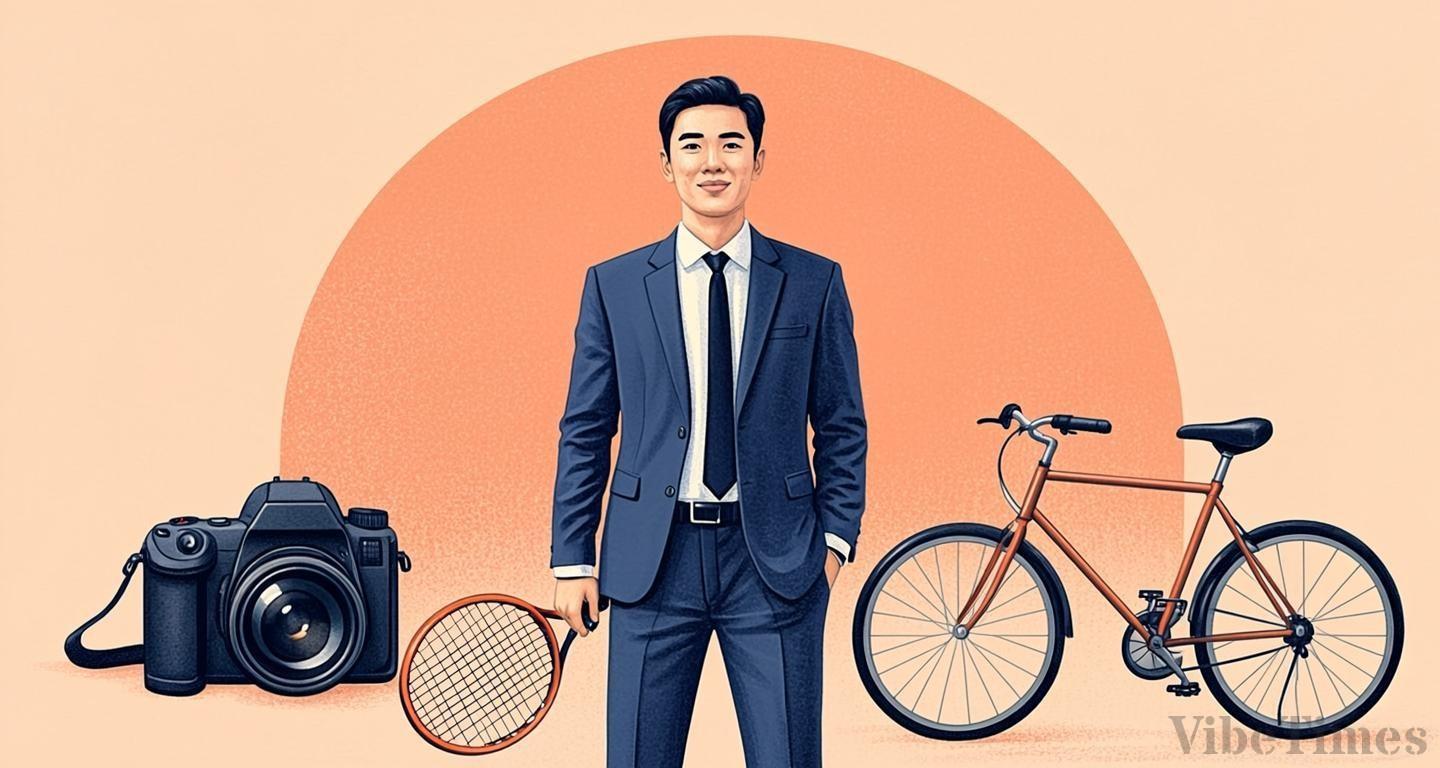
What determines the success of a first hobby in your 40s is not the type of activity but its sustainability. According to Statistics Korea's time use survey, Koreans have three to four hours of leisure time on weekdays, yet leisure satisfaction ranks near the bottom of the OECD. The problem is not a lack of time but a lack of quality leisure. In short, a hobby that can be done once or twice a week, costs under 50,000 won to start, involves manageable physical activity, can be sustained alone, and shows visible results is far more likely to survive the three-month hurdle.
Picasso said that the dust of daily life is washed away by art, but for people in middle age, a hobby is a management tool before it is a romance. At the midpoint of a career, when declining physical stamina and family responsibilities converge, a well-chosen hobby does more than relieve stress—it prepares you for a second act after retirement and a network beyond the workplace.
Why Your 40s: Three Reasons to Start Now
Leisure Time Without Satisfaction
The time is already there. The question is how to fill it, and leisure spent aimlessly without a structured hobby fails to provide a sense of recovery. Research on leisure immersion in positive psychology has repeatedly shown that adults' participation in leisure activities correlates with reduced depression, stress relief, and maintained cognitive function.
The Middle-Aged Brain Is Actually Well Suited to Learning
Studies on middle-aged learning show that adult learners outperform younger learners in motivation and focus, making music and foreign languages entirely attainable. The assumption that it is too late to learn something new simply lacks evidence. Psychology also holds that activities capable of producing flow—the state of deep immersion—offer greater stress relief, and that slightly challenging hobbies bring more satisfaction than simple entertainment.
The Practical Function of Retirement Preparation
A hobby in your 40s carries the side benefits of expanding your network beyond work and preparing for a second life. Many fields run separate groups for people in their 40s and 50s, such as hiking clubs and running crews, allowing new connections to form naturally.
Why First Hobbies Collapse Within Three Months
Without Schedule Flexibility, One Late Night at Work Ends Everything
Regular team sports requiring attendance at fixed days and times are poorly suited to beginners. Overtime and family commitments are constants for people in their 40s, not variables. Before committing, check whether a hobby fits within one or two sessions of one to two hours per week and whether you can continue on your own when plans go awry.
High Upfront Costs Make Quitting Expensive
Hobbies requiring major equipment purchases, like golf, fishing, or cycling, carry heavy losses when abandoned at the three-month mark, which itself weighs on motivation. Starting secondhand or with rentals is recommended, and keeping a first hobby's initial cost under 50,000 won is the safe bet. One-day classes and courses in the 10,000–50,000 won range at local cultural centers and lifelong learning institutes make ideal testing grounds.
Joint Strain and Visible Results: Check Both
From your 40s on, even athletic hobbies should be preceded by stretching and a health checkup. Hiking offers unbeatable accessibility but requires knee care, while swimming is gentle on the joints and suits most physical conditions. At the same time, hobbies that show measurable results—through records, photos, or finished works—are better at sustaining motivation in middle age.
Comparing Options by Type: Choose What Fits Your Situation
Why Health-Oriented Hobbies Are the Default Choice
Yoga and Pilates run 100,000–200,000 won per month, and the flexibility and fitness gains are things you can feel for yourself—an excellent return on cost. Walking and running crews can start for free and have active communities, though sustaining interest is the challenge. Because these options satisfy both the physical-burden and visible-results criteria, they have a low failure rate as first hobbies.
Creative and Social Options, Matched to Your Conditions
If you want quiet time alone, drawing, writing, or an instrument fits. The ukulele is recommended for its low entry difficulty, and demand for adult lessons among people in their 40s is growing. Painting leaves tangible results and a strong sense of achievement, while photography can begin with a smartphone and double as a walk. If you want to meet people, hiking clubs, board games, and running are the answers; for practicality, cooking, woodworking, and photography. Woodworking and leathercraft offer top-tier immersion, but initial tool costs of 100,000–300,000 won can be a hurdle.
A Four-Week Plan You Can Start Tonight
Week 1: Test Three Candidates in Person
Experience two or three candidates firsthand through one-day classes on platforms like Naver Booking or Kmong, or trial sessions at local cultural centers. Sampling the basics with free YouTube lessons is another option. Since course prices and enrollment details change frequently, check the latest information yourself.
Weeks 2–4: Narrow to One and Track It
Pick the single option that best meets the five criteria and record its frequency, time required, and satisfaction level for four weeks. Only after passing that month should you invest in regular tuition and equipment. Since the first three months of a hobby are the hurdle, set a rule to decide whether to continue only after three months of persistence. The warnings are clear: start three hobbies at once and you will quit all three; tack a side business onto your first hobby and the fun disappears; compare your results with others' on social media and your persistence rate will plummet.
In one line: align the three beats of low cost, one or two sessions a week, and immersion, test lightly with a one-day class, and stick it out for three months—a hobby becomes a habit. Focusing on the process rather than the results is what carries a first hobby in your 40s all the way to the end.
