For Single-Member Households: Mini Dryer or Washer-Dryer Combo?

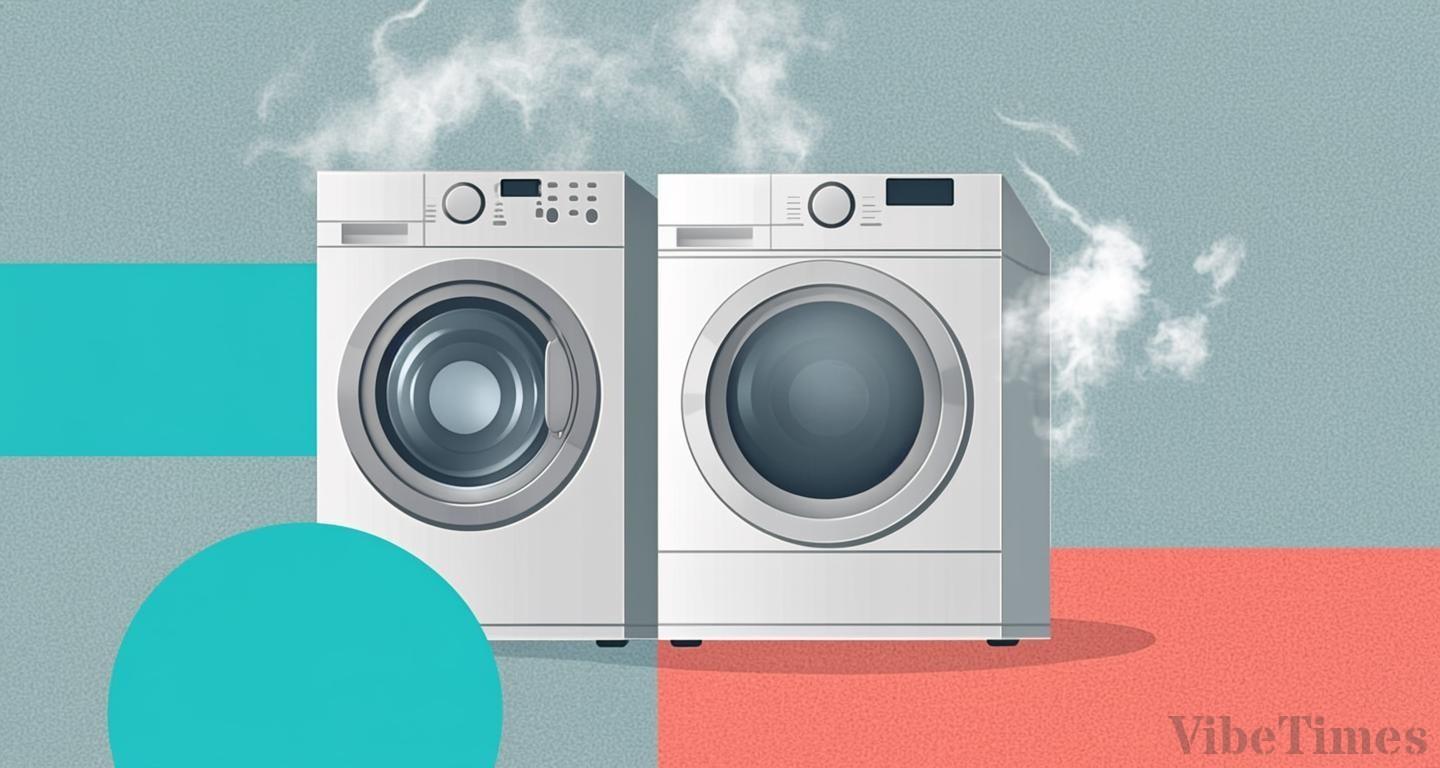
For single-member households that already own a washing machine, a condenser-type mini dryer of 4kg or more is the best value answer.
To get straight to the conclusion: if you live in a studio apartment with a washing machine already installed and a budget of 500,000 won or less, go with a mini dryer; if you have no washing machine or yours is due for replacement, a washer-dryer combo is the better choice. With single-person households now accounting for roughly 35% of all households, securing drying space in studios and officetels is both a matter of choice and a matter of budget.
Why Drum Dryers Have Disappeared from Studio Apartments
A 75cm Drum Simply Doesn't Fit
Standard drum dryers measure 75–85cm in width. They often physically won't fit into the narrow balconies or utility closets of studios and officetels, and their price tag is no small burden either. As a result, demand split into two paths: dedicated mini dryers that handle drying only, and washer-dryer combos that handle both washing and drying in a single unit.
Price Ranges and Product Lines of the Two Options
Mini dryers such as the iRiver Salon Dry, Coway, and DryCraft models are priced at roughly 200,000–700,000 won in the 3–10kg capacity range. Washer-dryer combos like the LG Tromm WashDryMini (3–4kg drying capacity) and Samsung AI WashDry run 500,000–1.3 million won. The price gap is grounded in the fact that combos also provide 8–12kg of washing capacity.
Cost and Installation Conditions Decide the Contest
Upfront Costs Differ by More Than Double at Most
The most expensive mini dryer (700,000 won) matches the low-to-mid price range of a combo unit. Since you keep your existing washing machine and only add drying capability, total spending is minimized. A combo, by contrast, carries the washing machine replacement cycle of 7–10 years, and if it breaks down, both washing and drying go out at the same time.
Installation Freedom Is the Mini Dryer's Weapon
Mini dryers can be installed freely — on a veranda, atop a sink, on a shelf — and can be carried when moving, an advantage for frequent movers in rentals. However, vented models require proper ventilation to expel moisture; running one in a sealed studio can cause condensation and mold. Combos require water supply and drainage connections, limiting placement options, but pose relatively fewer ventilation concerns.
Performance and Capacity: The Real-World Differences
The Drying Capacity Trap of Combos
The biggest trap with washer-dryer combos is the capacity labeling. Even if the washing capacity is 9–10kg, the actual drying capacity is only half that — 4–5kg. You have to split your laundry into separate loads, and a full wash-to-dry cycle typically takes 2–4 hours. The number you must check before buying is not the washing capacity but the drying capacity.
Mini dryers have a capacity floor too
A single-person household's typical laundry load is 2–4kg. Both options offer sufficient capacity in that sense, but mini dryers of 3kg or less can only handle towels and underwear, so at least 4–5kg is recommended. If placing one indoors in a studio, choose a condenser type that needs no exhaust vent. Also check the noise rating (50–60dB), real user reviews, and whether the brand offers after-sales service. Beware of budget models labeled as dryers that are effectively just fans.
Convenience Favors the Combo
The one-button workflow — load laundry, press a button, done — is the combo's clear strength. Mini dryers require the hassle of transferring laundry after washing. That said, drying quality varies by model, and dedicated dryers often have a structural advantage, while combos with inverter motors are relatively quiet.
How to Make the Right Choice for Your Situation
Three Conditions for Choosing a Mini Dryer
① Your existing washing machine works fine, ② your budget is 500,000 won or less, ③ you may move soon. If all three apply, a mini dryer in the 300,000–500,000 won range offers the best value for money. Since many studios come equipped with washing machines, this matches the most common situation for single-person households.
Three Conditions for Choosing a Washer-Dryer Combo
① You have no washing machine or yours is aging and needs replacement, ② you plan to stay put for three years or more, ③ you are willing to pay for the convenience of automatic wash-to-dry. Also verify that your 220V electrical capacity is sufficient.
What to Double-Check Before Buying
Thick comforters and padding jackets are often difficult for both options to dry, making a laundromat the realistic choice. With combos, neglecting to clean the lint filter causes drying performance to plummet and even raises fire risk, so a maintenance habit is a prerequisite. As the latest models and prices fluctuate considerably, it is safest to re-verify specs and prices on Danawa, Naver Shopping, and user reviews at the time of purchase.
